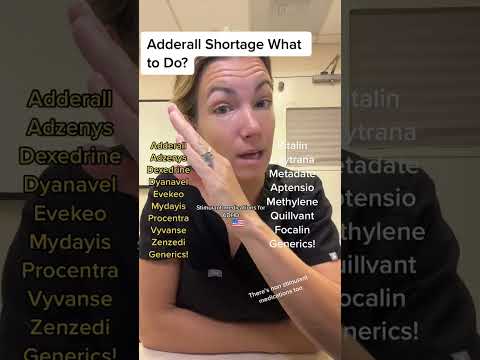
So, ADHD, right? It’s one of those things that can feel like a whirlwind. You’ve got racing thoughts, trouble focusing, and all that hyper energy bouncing around like a pinball. It can be a lot to juggle.
When it comes to treatment, stimulants often pop up as a go-to option. It’s almost like they’re the popular kids in class. But you might wonder, do they really work? Are there other options out there? What’s the deal with side effects?
Honestly, sorting through all this can feel overwhelming. But don’t sweat it! We’re gonna break it down together. From how stimulants fit into the bigger picture of ADHD treatment to what alternatives are available—we got this! Let’s dive in!
Effective ADHD Treatment Options for Adults: Navigating Your Path to Better Mental Health
ADHD, or Attention-Deficit/Hyperactivity Disorder, isn’t just a childhood issue. A lot of adults struggle with it too. You might feel scattered, easily distracted, or maybe even overwhelmed by daily tasks. But the good news is, there are effective treatment options out there to help you manage these symptoms and navigate your life better.
First up are stimulant medications. They’re often the go-to treatment for adults with ADHD. Medications like Adderall or Ritalin can really help increase focus and reduce impulsivity. They work by boosting certain chemicals in your brain that control attention and behavior. But remember, not everyone reacts the same way to these meds. Some people might experience side effects like insomnia or increased anxiety, so it’s crucial to talk this through with your doctor.
Then we have non-stimulant medications. If stimulants aren’t your thing or if they cause unwanted side effects, options like Strattera (atomoxetine) could be more suitable for you. While they might take longer to kick in compared to stimulants, they can be effective in managing symptoms without some of the common stimulant side effects. Again, it all comes down to what works best for you personally.
Cognitive Behavioral Therapy (CBT) is another powerful approach worth mentioning. It helps you tackle negative thought patterns and develop better coping strategies for everyday challenges posed by ADHD. Imagine learning how to break down overwhelming tasks into smaller steps—that’s exactly what therapy can help you achieve! I once knew someone who struggled with procrastination due to ADHD; after starting CBT, she felt way more equipped to handle her workload.
You might also consider coaching. It’s not therapy but more of a partnership where a coach helps you set goals and figure out ways to reach them. This could mean organizing your schedule or creating routines that fit your lifestyle better. Sometimes just having someone in your corner can make all the difference!
Mindfulness practices have gained popularity too. Things like meditation and yoga can help center your thoughts and reduce stress—which can be a huge benefit when you’re dealing with ADHD-related chaos. It’s about training your mind to refocus when distractions creep in.
Lastly, let’s not forget about lifestyle changes—stuff like regular exercise, a balanced diet, and sufficient sleep can all play a giant role in managing ADHD symptoms. When our bodies are feeling good physically, our brains tend to follow suit.
So there ya go! Finding the right combination of treatments might take some time and experimentation but never hesitate to reach out for support along the way! It’s totally okay to ask questions until you find what truly works for you—because navigating adult ADHD doesn’t have to be a solo journey; you’re not alone out there!
Discovering the Most Effective Treatments for ADHD: A Comprehensive Guide
ADHD, or Attention-Deficit/Hyperactivity Disorder, can feel like that relentless buzzing in your pocket that you just can’t turn off. It affects people differently. Some struggle to focus, while others find themselves bouncing from one thought to another. Thankfully, there are treatments out there that can help you manage the symptoms and get back on track.
When we talk about treating ADHD, **stimulant medications** are usually the go-to options. They work by boosting certain chemicals in the brain that help with attention and focus. But, of course, it’s not one-size-fits-all.
Stimulants include:
- Methylphenidate (like Ritalin)
- Amphetamines (like Adderall)
There’s a lot to consider when trying these medications. For example, some people might experience side effects like insomnia or reduced appetite. Remember my friend Sarah? She started taking Adderall in college. At first, she felt super focused and productive but then noticed she couldn’t sleep at all! So it’s really important to communicate with your doctor about what you’re experiencing.
Now, if stimulants don’t quite mesh with you—whether it’s due to side effects or personal preference—there are non-stimulant options available too. Medications like atomoxetine (Strattera) can be effective but may take longer to kick in compared to their stimulant counterparts. Imagine waiting for your coffee to brew when you’re desperate for that caffeine fix—it can feel like a lifetime!
Other treatment avenues include:
- Behavioral therapy
- Psychoeducation
- Coaching or skills training
These therapies focus on developing coping strategies and building skills to deal with everyday challenges of ADHD. Think of it as having a toolbox full of various tools for different situations—you want the right ones handy when life throws you a curveball.
In behavioral therapy sessions, therapists might work with you on specific goals or even practice scenarios where sticking to tasks is tough. Imagine role-playing how to stay organized while juggling schoolwork and a social life—it sounds awkward but can actually be really helpful!
Don’t forget about lifestyle changes! Things like regular exercise and proper nutrition can have a pretty big impact too. I know someone who started jogging regularly and found it helped clear their mind so much they could finally focus during class!
Finding the most effective treatment for ADHD is often about trial and error. Sometimes it’s overwhelming trying out different meds or therapies before landing on what feels right for you—it’s kind of like dating, where not every match will be “the one.”
It’s vital that throughout this process you maintain an open conversation with your healthcare provider; they’re there to support you on this journey! So be honest about what’s working and what isn’t; don’t shy away from sharing your feelings or experiences.
Overall, managing ADHD is an ongoing adventure filled with twists and turns—and it’s totally okay if things don’t go according to plan at first! One day you’ll figure out what combination of treatments helps you thrive best. Just hang in there; you’ve got this!
Effective Strategies for Managing ADHD in Adults Without Medication
Managing ADHD as an adult can feel like a roller coaster, right? Sometimes it’s all over the place. While medication helps a lot of people, there are effective strategies out there that don’t involve popping pills. Let’s break down some of these approaches.
Structure Your Day
Creating a routine can be a game-changer. Seriously. When you have a predictable schedule, it’s easier to stay on track. Set specific times for work, breaks, meals, and even relaxation. For example, if you know you’ll dedicate 10 AM to 11 AM for deep work without distractions, you’ve already set a clear path for yourself.
Use Tools and Tech
There are tons of apps designed to help with organization and time management. Think reminders or to-do lists that ping you when something needs attention. Ever heard of Trello or Todoist? They can help keep your brain organized so you don’t have to rely on memory alone.
Break Tasks into Bite-Sized Chunks
Large tasks can feel overwhelming—like standing at the base of a huge mountain and thinking “How the heck will I climb that?” Try breaking things down into smaller steps instead. Like if you need to write a report, start by just outlining the main points first, then tackle one section at a time.
Create Distraction-Free Zones
Find spaces that encourage focus and limit distractions. If your living room is filled with noise or clutter, try setting up shop in your bedroom or even at a quiet local café. A calm environment can boost concentration big time!
Practice Mindfulness and Meditation
Mindfulness might sound like buzzword central but hang on! It’s about being present in the moment without judgment. Just take five minutes each day to focus on your breath or surroundings—this practice can help calm those racing thoughts.
Exercise Regularly
Physical activity isn’t just good for your body; it’s super beneficial for your brain too! Regular exercise helps improve mood and reduces anxiety. Even short bursts—think 15-minute walks—can make a difference in how grounded you feel throughout the day.
Connect with Supportive People
Having friends or family who understand what you’re going through can be invaluable. Connecting with others who share similar experiences can provide both motivation and comfort—a kind of informal support team!
Acknowledge Your Emotions
It’s totally normal to feel frustrated sometimes! Recognizing those feelings rather than pushing them aside is important; it helps you better understand what triggers them and how to cope.
So yeah, while medication works wonders for many people out there, you’ve got plenty of non-medical tools in your kit too! By incorporating these strategies into your life bit by bit, managing ADHD becomes way more doable—and even kinda empowering!
You know, ADHD is one of those things that can really turn life upside down. It’s like your mind’s a rollercoaster, zipping from one thought to another without a break. I remember my buddy Gary, who was always jumping from one project to another. We’d start something fun and before you knew it, he’d be off on a totally different tangent—like trying to build a model rocket while planning a road trip. It was wild!
So, for folks like Gary and many others diagnosed with ADHD, treatment often includes these stimulant medications. They’re kinda the go-to solution because they can help dial in focus and calm the chaos in your head. Ritalin and Adderall are probably the most well-known ones out there. People usually find that these meds help them concentrate better, so they can actually finish tasks without feeling like they’re going insane.
But here’s the thing: stimulants aren’t for everyone. Some folks might feel anxious or jittery when they take them. Others might face some side effects like trouble sleeping or loss of appetite—no fun at all! Plus, there’s this whole debate about whether relying on meds is the best way to go. Some people prefer behavioral therapy or counseling where they can develop coping skills while steering clear of pills.
Navigating treatment options can feel like walking through a maze with no exit sign in sight! You’ve got to figure out what works best for you—a combination of medication and therapy might be the sweet spot or maybe just one approach feels right. And don’t forget about lifestyle factors! Things like exercise, nutrition, and sleep play huge roles too.
It’s also super important to communicate openly with healthcare providers about how you’re feeling on any treatment plan because it’s all about what fits your life best, you know? So if you’re considering stimulants or any other options for ADHD management just keep in mind that it’s really personal—your journey may look different than someone else’s.
At the end of the day, finding what works takes time but being patient with yourself is key. Just like Gary eventually found his groove with after-school activities that didn’t need too much sitting still—sometimes it’s all about finding those little adjustments that make life feel more manageable.