You know how sometimes you just can’t focus? Or maybe you feel like your emotions are all over the place? Well, for folks with ADHD, that’s pretty much the daily grind.
But here’s a twist: it’s not just about attention. The way we connect with people—our attachment styles—really plays into the whole ADHD experience. Crazy, right?
Imagine being so excited to share something, but if you’re constantly worried about how others will react—it can be a rollercoaster of feelings.
Let’s dive into this wild mix of ADHD and attachment styles, and see how they dance together in our mental health worlds. You might just find some surprising connections!
Exploring Attachment Styles: The Most Common Patterns in Individuals with ADHD
Attachment styles can really shape how we connect with others, and for folks with ADHD, these patterns might look a bit different. So let’s dive into the nitty-gritty of attachment styles in individuals with ADHD.
Attachment styles are basically the ways we bond with people around us. They usually spring from our early relationships, especially with caregivers. Let me break it down a little.
There are four main types of attachment styles:
- Secure Attachment: People with this style generally feel comfortable with closeness and independence. They manage relationships well and often have positive views about themselves and others.
- Avoidant Attachment: This one tends to involve keeping a distance from others. Folks might struggle to get close and can sometimes seem emotionally unavailable.
- Anxious Attachment: Here, individuals often crave closeness but fear abandonment. They may exhibit clingy behavior or intense emotional reactions.
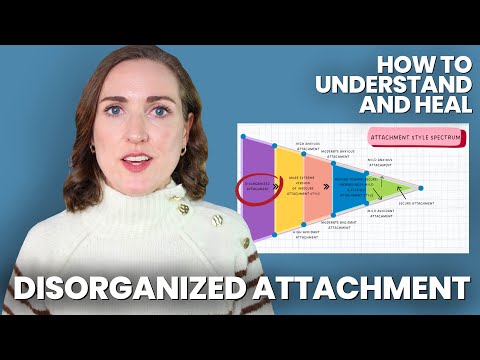
- Disorganized Attachment: This style combines features of both anxious and avoidant attachments. It can arise from trauma or inconsistent caregiving experiences.
Now, when you mix ADHD into the equation, things can get really interesting! You see, people with ADHD often have challenges like impulsivity and difficulties regulating emotions, which can influence their attachment styles.
For instance, someone with ADHD might lean toward an **anxious attachment** style. They could be more sensitive to perceived rejection in relationships, which gets magnified by their difficulties in managing their emotions – so those feelings become intense quickly.
On the flip side, some might develop an **avoidant attachment** style as a defense mechanism. Because they often feel overwhelmed by emotional demands or chaotic situations (thanks to their ADHD), they might withdraw or keep others at arm’s length.
It’s like this—you could think of a friend who always seems aloof during group hangouts because they’re mentally juggling a million things at once! Their desire for connection is there but is buried under layers of distraction and anxiety.
Additionally, individuals showing **disorganized attachment** may struggle deeply due to their internal chaos created by ADHD symptoms combined with past relationship traumas—this makes forming reliable connections super tricky.
So what does this all mean? If you’re navigating relationships while living with ADHD, understanding your attachment style could really help in figuring out why you react the way you do in social situations. It’s like unlocking a secret door to your emotional world!
Talking about this stuff in therapy can guide you toward healthier connections too! You know how it feels when someone gets you? It’s like finally finding that missing puzzle piece!
In summary, exploring your attachment style is crucial if you’ve got ADHD—it sheds light on those complex dynamics that shape your interactions and emotional responses every day. Recognizing these patterns doesn’t just expand your self-awareness; it opens pathways for building deeper connections too!
Understanding Attachment Issues in Individuals with ADHD: Insights and Strategies
Understanding attachment issues can be a bit tricky, especially for folks with ADHD. So, let’s break this down together.
Individuals with ADHD often struggle with emotional regulation, which can seriously affect their ability to form secure attachments. When we talk about **attachment styles**, we basically mean how people connect with others. These styles are shaped during childhood and can lead to different ways of interacting in relationships later on.
Four main attachment styles are commonly recognized:
- Secure: People feel safe and comfortable in relationships.
- Avoidant: Individuals often pull away from emotional closeness.
- Anxious: This style is marked by clinginess and fear of abandonment.
- Disorganized: A mix of anxious and avoidant behaviors; it can be really confusing.
Now, here’s where ADHD comes in. The impulsivity and inattention associated with ADHD can create challenges in creating those secure attachments. Think about it: if you’re always distracted or acting without thinking, it’s tough to build trust and stability with others.
For instance, imagine you’re at a party. A person with ADHD might get overwhelmed by noise and lose focus on conversations. They might seem detached or uninterested, which could make others feel rejected or push them away—leading to misunderstandings.
There’s also this thing called **emotional dysregulation**, common among people with ADHD. It can result in intense reactions to situations that don’t warrant them—like getting upset over a comment made by a friend when it was intended as a joke. This heightens anxiety about relationships because the person might worry they’ll push others away or be left alone.
But all’s not lost! Recognizing these patterns is the first step toward healthier connections. Here are some strategies that might help:
- Therapy: Working with a therapist who understands ADHD can help individuals explore their attachment styles and learn coping mechanisms.
- Mindfulness: Practicing mindfulness techniques can improve emotional regulation—helping someone stay present instead of getting lost in overwhelming feelings.
- Communication Skills: Learning to express feelings openly without fear of rejection makes it easier to build stronger connections.
It’s important to understand that people with ADHD aren’t intentionally pushing others away; it’s often rooted in their struggles with attention and emotions. You know how sometimes you feel misunderstood? Well, that’s pretty common for them too.
So yeah, building secure attachments takes time and effort but recognizing the unique challenges posed by ADHD is half the battle. With support and understanding, everyone can work towards healthier relationships!
Understanding ADHD and Adult Attachment: Navigating Relationships and Emotional Connection
When you think about ADHD and relationships, the connection might not be super obvious right away. But if you dive in a bit, it’s like peeling an onion—layer after layer. You see, ADHD (Attention-Deficit/Hyperactivity Disorder) isn’t just about having trouble focusing or being really energetic. It can also mess with how you connect with others, particularly when it comes to attachment styles.
So, what’s the deal with **attachment styles**? Basically, they describe how we form emotional bonds and respond in relationships. There are four main ones: secure, anxious, avoidant, and disorganized. If you’ve got ADHD, your attachment style might set the stage for how you handle relationships—like adding a twist to an already complicated story.
Let’s break it down a bit more:
1. Secure Attachment:
People with this style usually feel comfortable with intimacy and independence. If someone with ADHD happens to have this kind of attachment style, they’re likely to thrive in relationships! They are often warm and open.
2. Anxious Attachment:
This style is all about needing closeness but fearing abandonment. If you have ADHD and tend toward anxious attachment, your struggles with attention might make it hard for you to feel secure in a relationship. You might worry if your partner isn’t texting back or wonder if they’re annoyed that you forgot something important.
3. Avoidant Attachment:
Those who avoid emotional closeness often crave independence but can seem distant. For someone with ADHD and an avoidant style, communication might be tough—things can feel overwhelming when trying to express feelings or stay focused during deep conversations.
4. Disorganized Attachment:
This one’s a mix of anxiety and avoidance; it’s like being on an emotional rollercoaster without knowing where the next twist will take you. For adults with ADHD who have this attachment style, relationships may feel chaotic and filled with fear of being let down or getting too close.
So here’s the thing: **ADHD can amplify the challenges** faced by each of these attachment styles. Imagine trying to have a deep conversation while your mind is racing in ten different directions—super frustrating! Like when Sarah (let’s say) tries to talk about her feelings but ends up forgetting what she was saying midway through because she got distracted by something shiny out of the corner of her eye!
What makes this even trickier is that people don’t always recognize that their experiences are shaped by both their ADHD and their attachment style. Relationships require communication and understanding; if one partner has trouble focusing or processing emotions because of their condition—and maybe leans toward an anxious or avoidant style—it can create some real tension.
Creating connections requires effort from both sides! Couples therapy can sometimes work wonders here—it helps partners learn better communication strategies so they can navigate those emotional waters together more smoothly.
To sum up: understanding how **ADHD intertwines** with adult attachment styles isn’t just interesting; it’s essential for building healthier relationships! So keep talking openly about feelings; it’s all part of figuring out this complex dance we do when we connect emotionally—and trust me, there’s always room for growth no matter where you’re at right now!
So, ADHD and attachment styles… that’s a pretty interesting mix, right? I mean, when you think about it, the way we connect with others really shapes how we navigate the world. And if you throw ADHD into the mix, things can get even more complex.
Picture this: a kid with ADHD might struggle with staying focused and controlling impulses. They’re often super energetic and restless. But here’s where it gets tricky—how they relate to their parents or caregivers can totally affect their experience. If a child feels safe and secure in their home environment, they might develop a secure attachment style. That means they learn to trust others and feel comfortable exploring the world around them.
But if a kiddo doesn’t get that sense of safety? Maybe there’s inconsistency in care or a lot of criticism about their behavior. They might lean towards an anxious attachment style or even an avoidant one. And suddenly, those already tricky symptoms of ADHD can feel even heavier on their shoulders. You see this cycle where anxiety about relationships complicates attention issues even further.
I remember a friend from school who had ADHD—let’s call him Jake—who struggled big time with making friends. He was always bouncing off the walls, but he didn’t always know how to connect well because his home life was unstable. He’d act out during playtime because he craved attention but also feared rejection when he tried to fit in. It was like he was stuck in this loop where his attachment issues made his ADHD feel worse, and conversely, his ADHD affected how he built relationships.
As adults, people with these backgrounds may find themselves caught up in similar patterns—difficulty focusing at work or challenges forming intimate connections can be influenced by those early experiences. They might get anxious even in friendships or romantic relationships because of that fear of not being good enough or being abandoned.
But here’s the hopeful part—you know? The good news is that understanding all this can really help! Therapy plays a big role here; it can guide someone through recognizing these patterns and developing healthier attachments while managing ADHD symptoms effectively.
In short, connecting the dots between ADHD and attachment styles gives us insight into emotional experiences that are super common yet profoundly impactful on mental health dynamics. So yeah, it’s all intertwined: our behaviors shape our relationships while our relationships influence our behaviors—kind of a dance we do throughout life!