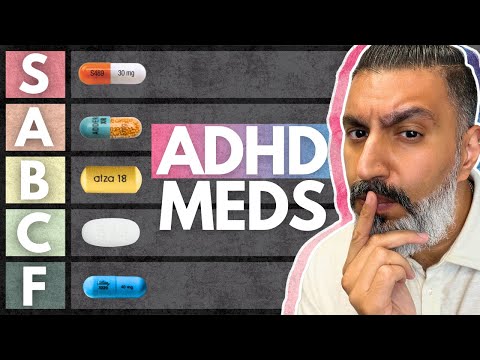
Alright, so here’s the thing. ADHD isn’t just about being a little too hyper or distracted. It can really mess with your day-to-day life.
You know those moments when you feel like your brain is on a rollercoaster? Yeah, that can be super frustrating. Especially when you’re trying to focus and everything else is shouting for your attention.
But here’s where things get interesting—medications can actually help you hit the brakes, like seriously! They work like boosters for your brain, making it easier to focus and chill out a bit.
So let’s chat about these ADHD booster meds—what they are, how they work, and whether they might be right for you or someone you know. Sound good? Cool!
Understanding ADHD Medications for Adults: Options, Benefits, and Considerations
Alright, let’s chat about ADHD medications for adults. So, if you or someone you know has ADHD, figuring out the right medication can feel like a maze. You know what I mean?
ADHD, or Attention-Deficit/Hyperactivity Disorder, isn’t just a kid thing. Lots of adults deal with it too. Symptoms can range from trouble focusing to impulsivity and even hyperactivity. When it comes to managing these symptoms, medications often come into play.
Stimulants are typically the first line of treatment for ADHD. They work by boosting certain brain chemicals that help with attention and focus. Medications like Adderall and Ritalin are well-known examples in this category.
- Adderall: It’s made up of amphetamine salts and can really help you concentrate better.
- Ritalin: It’s methylphenidate-based and tends to act pretty quickly.
- Evekeo: Another option that combines different amphetamines—great for focusing!
Not everyone reacts the same way to these meds, though! Some find their sweet spot right away, while others may need some tweaking to get it just right.
Now let’s chat about non-stimulants. These can be a good fit if stimulants don’t work or cause side effects. Strattera, for example, is a popular non-stimulant used to treat adult ADHD. It affects norepinephrine levels in the brain instead of dopamine.
One thing you should know is that both types of medication have their benefits and drawbacks:
- Stimulants:
- Tend to work faster.
- Might cause side effects like insomnia or loss of appetite.
- Non-stimulants:
- Might take longer to kick in but have fewer side effects.
- You might feel calmer on them—but maybe not as focused at times.
Here’s a little story: A friend of mine struggled with constant distractions at work due to ADHD. After chatting with her doc, she decided on Ritalin. Within days, she noticed she could finally finish her tasks without getting lost in rabbit holes! It was pretty amazing to see her so relieved.
But remember this—medications aren’t the only game in town when it comes to managing ADHD. Pairing meds with therapy can really boost results! Cognitive-behavioral therapy (CBT) is an excellent option because it helps change how you think about challenges and develop coping strategies.
So if you’re considering medication for ADHD, it’s super important to have an open conversation with your healthcare provider about what might work best for you—and don’t hesitate to bring up any concerns or questions!
In summary, understanding ADHD medications involves knowing your choices—from stimulants like Adderall and Ritalin to non-stimulants like Strattera. Each has its perks and considerations! So stay informed; this journey is all about finding what fits best for you—and hey, just remember: it’s okay not to have all the answers straight away!
Exploring the Long-Term Effects of ADHD Medication on Brain Health
When we talk about ADHD medications, what we’re really discussing are those stimulants like Adderall and Ritalin. They can be seriously helpful in managing symptoms like inattention or hyperactivity. But what about their long-term effects on the brain? That’s a pretty common concern, so let’s break it down.
First off, ADHD meds work by changing the levels of certain neurotransmitters in your brain. These chemicals help transmit signals between nerve cells, so when medications increase dopamine and norepinephrine levels, they can improve focus and impulse control. It’s like turning up the volume on a radio—you get clearer sound!
But here’s where it gets complicated. **Long-term use** of these medications can lead to changes in brain structure and function. Some studies suggest that prolonged stimulant use may influence brain development, especially in children whose brains are still growing. For example, there might be alterations in gray matter volume, which is crucial for processing information.
Now, let’s consider potential side effects over time. Some people experience decreased appetite or trouble sleeping, which can lead to weight changes or fatigue. And while those impact daily functioning, there are also concerns about dependencies forming—this could lead to an increased risk of substance use down the line.
Another thing worth mentioning is **mood swings**. This can happen when medication levels fluctuate throughout the day. You might feel great right after taking your dose but then crash later on. That emotional rollercoaster isn’t fun for anyone involved.
On a more positive note, some research indicates that effective treatment with medication can lead to better life outcomes for people with ADHD—improved academic performance and social interactions being major highlights. The goal is always to find a balance that supports daily living without compromising overall health.
So really, exploring the long-term effects of ADHD meds isn’t just about weighing pros and cons; it’s understanding how they fit into each person’s unique experience. Everyone reacts differently!
In summary:
- ADHD meds enhance neurotransmitter levels for better focus.
- Long-term use may change brain structure/function.
- Side effects include mood swings and appetite changes.
- Treatment often leads to improved life outcomes.
Every individual needs to discuss their treatment plans regularly with health professionals so adjustments can be made as needed for optimal mental health!
Top ADHD Medications for Adults: A Guide to Effective Treatment Options
Managing ADHD as an adult can sometimes feel like juggling flaming swords. So you’re likely looking for solid info on the meds that can help. Let’s break down a few of the most common medications used to treat ADHD, what they do, and how they might fit into your life.
Stimulants are usually the first line of treatment when it comes to ADHD. They work by increasing levels of certain brain chemicals, like dopamine and norepinephrine, which help regulate attention and focus.
- Methylphenidate: This is probably one of the most well-known ADHD meds out there. It comes in various forms—like immediate-release tablets and extended-release capsules—so you can pick what works best for your routine. People often report increased concentration and decreased impulsiveness.
- Amphetamines: This group includes medications like Adderall and Vyvanse. They also ramp up those important brain chemicals. Many adults find that they really boost their focus during work or study sessions.
Now, while stimulants are effective for a lot of people, some might not respond well to them—or might even experience unwanted side effects like anxiety or insomnia.
That’s when non-stimulant medications come into play. They tend to work slower than stimulants but can still be quite helpful.
- Atomoxetine (Strattera): This is a non-stimulant option that’s supposed to help with attention without some of the side effects typical of stimulants. It takes longer to kick in—think weeks instead of days—but some folks find it works really well for them.
- Guanfacine (Intuniv): Originally meant for high blood pressure, this med has calming effects that can be useful in managing ADHD symptoms as well, particularly if hyperactivity or impulsivity are big issues.
Here’s where it gets interesting: treatment isn’t just about popping pills. Medication is often part of a broader approach that includes therapy or lifestyle changes too! Imagine having a toolbox where medication is just one tool among many—like therapy sessions or organizational strategies—to help tackle ADHD effectively.
And look, everyone’s different! You might find one medication works wonders for you while your buddy struggles with it. That’s why keeping an open conversation with your doctor about side effects and effectiveness is crucial.
In short, whether you lean towards stimulants or opt for non-stimulants, there are effective treatment options available to manage adult ADHD symptoms. Finding the balance that suits you is key—not only will it enhance your focus but hopefully make daily life feel a bit less challenging!
Okay, so let’s talk about ADHD and those booster medications. You know, ADHD can be a real challenge for a lot of people. It’s not just about being hyper or unable to focus; it’s like trying to tune into a radio station with a ton of static. Everything feels a bit jumbled up in the brain, making it tough to concentrate on one thing at a time.
I remember chatting with my friend Jake, who has ADHD. He would tell me how frustrating it was sitting in class and feeling like his brain was on roller skates—zooming around while everyone else seemed chill and focused. Medications sometimes come into play to help smooth out that static so folks like him can find their groove, you know?
Booster medications are one type of treatment commonly used. They basically help increase the levels of certain chemicals in the brain—think dopamine and norepinephrine—that are crucial for attention and impulse control. It’s pretty interesting how just tweaking these chemicals can seriously change someone’s day-to-day life.
But here’s where it gets real: not every medication works for everyone. For some people, they’re like a miracle cure, while others might feel weird side effects or find that it doesn’t really make much difference at all. I mean, Jake tried a few meds before he found the right fit—which is totally normal! It’s like trying on shoes until you find ones that don’t pinch your toes.
Some folks worry about the stigma surrounding these medications or feel pressured to perform at certain levels, especially in school or work environments. It’s essential to take a step back and remember that mental health isn’t one-size-fits-all. Everyone’s experience is different!
Finding that sweet spot of balance can be tricky, but when combined with therapy or other support strategies—like mindfulness practices or just good ol’ reliable routines—it can really help boost overall well-being. So if you know someone with ADHD considering medication, encourage an open conversation with their doctor about what might work best for them.
Ultimately, these medications can play an important role in managing ADHD but remember: they’re just one piece of the puzzle!