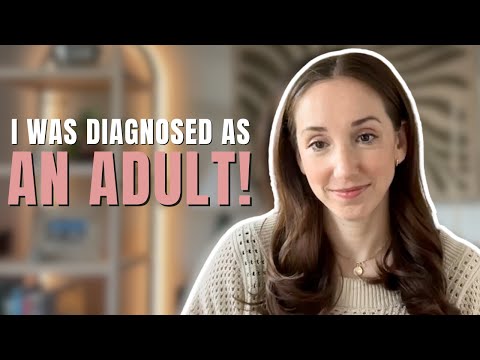
You know, ADHD isn’t just a kid thing. Seriously. Many women go through life feeling like they’re just missing something. Like, why is it so hard to focus or keep organized?
Imagine juggling work, family, and personal stuff while feeling scattered. You’re not alone if this sounds familiar!
Women often get overlooked when it comes to ADHD. Their symptoms can look a bit different than the classic “hyperactive kid” image we usually think of.
It’s time to chat about how ADHD shows up in adult women. Let’s unpack some of those little quirks and struggles that often fly under the radar. You might find it hits close to home!
Understanding High-Functioning ADHD in Females: Key Symptoms and Insights
So, you’ve probably heard about ADHD, right? But when it comes to high-functioning ADHD in females, things can get a bit tricky. High-functioning means that even though someone has ADHD, they can still manage their lives fairly well. But that doesn’t mean everything’s peachy keen all the time. Here’s what you need to know.
Women with high-functioning ADHD often become excellent at masking their symptoms. It’s like they put on a show for the world while internally struggling with chaotic thoughts and feelings. This can lead to them being overlooked or misdiagnosed. They might seem organized and put-together on the outside but feel completely overwhelmed inside.
Here are some common symptoms:
- Inattention: This isn’t just about not listening; it might show up as daydreaming during meetings or losing track of tasks you started.
- Hyperfocus: Sounds counterintuitive, right? But many women with ADHD can zone in on something they love and lose track of time, which can seem like a superpower until it becomes unmanageable.
- Overwhelm: Ever feel like your brain’s running 100 miles an hour? Women often report feeling swamped by too many thoughts or tasks.
- Anxiety and Self-Doubt: This is pretty common as well. The pressure to perform and meet social expectations can really amp up anxiety levels.
- Time Management Issues: A lot of high-functioning women struggle with keeping deadlines and managing their schedule effectively.
A quick story here: I knew this amazing woman who had a successful career in marketing but juggled so many details that she felt like she was constantly failing. Her coworkers saw her as super efficient because she always got her work done on time. Little did they know she spent sleepless nights battling stress while double-checking her tasks over and over again.
The thing is, women might not fit the stereotypical image of someone with ADHD. Often, ADHD is thought of as a «boy’s condition,» leading to delays in diagnosis for females because their symptoms don’t fit neatly into boxes people expect.
If you’re identifying with this, remember that acknowledging these feelings is important! It’s totally okay to seek help, whether through therapy or support groups. You’re not alone out there!
Their unique experiences shine a light on how we view mental health conditions overall. So being open about such matters helps break down misconceptions and stigma! That’s pretty powerful stuff if you ask me!
If you’re curious about where to go from here or want more info practices for managing high-functioning ADHD? Just reaching out can be the first step toward better understanding yourself or helping someone else along the way. You’ve got this!
Understanding the Underdiagnosis of ADHD in Females: Key Statistics and Insights
Understanding ADHD, especially in females, is, like, super important. You see, attention-deficit/hyperactivity disorder (ADHD) isn’t just something that pops up in kids. It can stick around and affect adults too. But here’s the tricky part: women and girls often get overlooked when it comes to diagnosis. Let’s chat about it.
First off, research shows that ADHD is diagnosed more often in **boys** than girls. It’s about **3:1 ratio** for childhood diagnoses. This difference gets fuzzy as folks age. The thing is, while boys often present with the classic symptoms like hyperactivity and impulsivity, girls tend to show symptoms that are more subtle, like inattentiveness or daydreaming. So their struggles might not show up on anyone’s radar.
Another point worth mentioning is that many women develop coping mechanisms over time. They may hide their symptoms or learn to navigate their challenges without anyone really noticing what’s going on. Imagine a teacher thinking a girl’s just shy or sleepy when she’s actually battling constant distractions! This can lead to delays in diagnosis well into adulthood.
You’d think the mental health system would catch this stuff, but it doesn’t always happen like that. Here are some key insights:
- Symptoms Present Differently: Women are often less likely to exhibit external behaviors associated with ADHD.
- Comorbidity Rates: Women with ADHD might also face anxiety or depression—this combo complicates diagnosis.
- Stereotypes and Societal Expectations: There are stereotypes about how women «should» behave, which can mask ADHD symptoms.
- Lack of Awareness: Many professionals might not be fully aware of how ADHD manifests in females.
- Age at Diagnosis: Women tend to be diagnosed much later than men—often in their 30s or 40s instead of childhood.
But hold on—just because the diagnosis is tricky doesn’t mean help isn’t available! It’s essential for women who suspect they have ADHD to seek evaluation if they’re struggling with organization or maintaining focus.
Take Sarah for example; she was always “the organized one” among her friends but felt chaotic inside. After years of feeling overwhelmed by everyday tasks and anxiety creeping up on her, she finally got evaluated at 35 and learned she had ADHD—identifying it was a huge relief!
So basically, if you’re wondering if you or someone else might have ADHD but feel overlooked because you’re a woman? Don’t hesitate to reach out for support and info! You’ve got every right to understand your brain better and live the best life possible.
Understanding Late Diagnosis of ADHD in Women: Key Symptoms to Recognize
Understanding ADHD in women can be quite a journey, especially when it comes to late diagnoses. It’s not uncommon for women to go through life without realizing they have Attention Deficit Hyperactivity Disorder (ADHD). You know, they might just chalk up their struggles to being disorganized or forgetful, but there’s more to it.
So what are the key symptoms that can help you recognize potential ADHD in adult women? Let’s break it down a bit:
- Inattention: This can show up as difficulty focusing on tasks. Maybe you’re always losing your keys or forgetting appointments. It’s not just absent-mindedness; it’s a persistent pattern.
- Disorganization: Ever feel like your life is like a tornado hit? Lots of women with ADHD report that their workspaces are chaotic. Papers everywhere, messy bags—it can feel overwhelming.
- Emotional Dysregulation: Women often experience intense emotions that can swing from happy to sad in no time. This isn’t just moodiness; it could be linked to how your brain processes feelings.
- Impulsivity: You might act on a whim without thinking things through—like making impulse purchases or blurting out thoughts during conversations.
- Trouble with Time Management: Getting places late? Yeah, that’s pretty common for people with ADHD. Planning seems like an uphill battle, and deadlines feel like they’re coming at you from all angles.
It’s also important to note that some symptoms can be masked by social expectations. Society tends to view hyperactivity as the more classic ADHD trait, but many women are more likely to experience inattentiveness and internal restlessness instead of bouncing off the walls.
Let me share a little story that might resonate. A friend of mine named Sarah was always labeled as “the daydreamer.” Teachers thought she was just shy or uninterested in schoolwork. But behind the scenes, she struggled with feeling overwhelmed by tasks and juggling responsibilities at home and work. It was only years later when she finally had her diagnosis that everything clicked into place.
The reality is that many women don’t get diagnosed until adulthood because they’ve learned ways to cope or even mask their symptoms over time. Seriously, if you’ve ever felt like you were running on empty while everyone else seemed perfectly fine, you’re not alone.
Now, about getting diagnosed—it’s often not straightforward due to gender biases in the healthcare system. Women might present differently than men do when it comes to symptoms. That’s why it’s crucial for you—or someone you care about—to understand these signs and seek help if things feel off.
ADHD, or Attention-Deficit/Hyperactivity Disorder, often gets this reputation as a childhood issue. But the truth is, it doesn’t magically disappear when you become an adult. Many women are finally getting diagnosed later in life—sometimes even after decades of feeling out of place or struggling to keep up. It’s wild how this can happen, right?
I remember chatting with a friend who had spent years feeling like she was just “not good enough.” She was juggling a demanding job, family responsibilities, and trying to maintain her social life. It felt like she was constantly running on a hamster wheel but never really getting anywhere. After finally going to see someone about her struggles, she found out she had ADHD. It was like a light bulb went off for her! She realized that all those times she’d felt scatterbrained and overwhelmed were tied to this diagnosis.
For many women like her, the symptoms of ADHD can be subtle and often overlooked. Society tends to focus on the hyperactive boys bouncing off the walls while girls, well… they might internalize their struggles more. Women often show ADHD in different ways—like daydreaming or becoming easily distracted rather than being impulsive or hyperactive. This makes it super tricky for them to get recognized and diagnosed.
The mental health system has made strides but still has some way to go when it comes to recognizing ADHD in adult women. Some healthcare providers might not think of it immediately since it’s less frequently discussed compared to other mental health issues. Women can also be great at masking their symptoms too; they find workarounds that may help them cope but also make it hard for others—and even themselves—to see the bigger picture.
Getting properly diagnosed can be such a game-changer though! With the right support—whether that’s therapy, medication, or lifestyle changes—many women start feeling more like themselves again. They learn strategies that work specifically for them and find ways to channel their energy positively.
So if you’re even slightly wondering if this could relate to you or someone you know, remember that it’s totally okay to seek help! Seriously—it can really open doors you didn’t even know were there before. Every person deserves to feel understood and supported in their journey through life’s ups and downs.