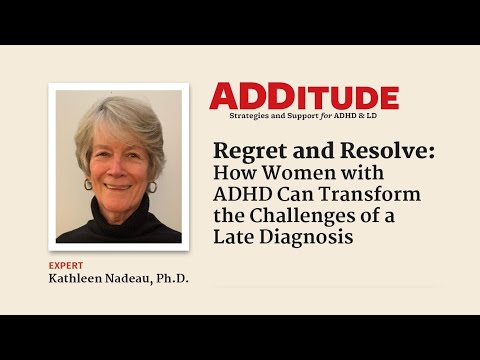
So, let’s chat about ADHD. Yeah, that thing most people think only affects kids—right? But hold on a sec! Women can totally struggle with it too, and often in ways you wouldn’t expect.
You know what’s wild? Many women slip under the radar when it comes to ADHD diagnoses. The signs can be pretty sneaky. Like, you might just think you’re forgetful or disorganized. But it’s not always that simple.
Imagine juggling a million tasks, feeling overwhelmed, and then beating yourself up for not keeping up. Seriously, it’s exhausting! A lot of times, societal expectations just add to the pressure.
Let’s break this down together. We’re diving into how ADHD shows up in women and why getting an accurate diagnosis can feel like climbing a mountain sometimes. Ready?
Understanding High Functioning ADHD in Females: Key Symptoms to Watch For
Understanding high-functioning ADHD in females can be a real eye-opener. It’s one of those things that often flies under the radar. You know, like a stealthy ninja. Many women with ADHD manage to juggle daily life with impressive skill but might still feel chaotic on the inside. So, let’s break down some key symptoms to look out for.
Inattention is a big one. It’s not just about daydreaming in class or losing your keys—although those things happen too! Females with high-functioning ADHD often have trouble focusing on tasks that don’t spark their interest. Maybe you scroll through social media for hours instead of finishing that assignment, or you start projects but can’t seem to wrap them up.
Another symptom to keep an eye on is hyperactivity, which might show up differently than you’d think. Instead of bouncing off the walls, it can be more like an internal restlessness. You could feel fidgety while sitting still during meetings or have trouble winding down at night because your mind is racing.
Impulsivity is also part of the mix. This doesn’t always mean blurtin’ out everything that pops into your head, by the way. Sometimes it’s about making quick decisions without weighing the pros and cons—like saying yes to every invitation without thinking if you really want to go.
Emotional sensitivity gets overlooked often too but is super important. Many women with high-functioning ADHD experience feelings more intensely than others do. You might cry at movies, get overwhelmed by stress easily, or feel frustrated when plans change last minute.
Social interactions can come with challenges as well. Women might find it hard to keep track of conversations or follow social cues because their minds wander off (trust me, I’ve been there!). You could nod along while thinking about what’s for dinner rather than being fully present.
Finally, many females manage their symptoms through coping strategies. They may create detailed schedules or use reminders on their phones to stay organized. But even when they seem put together on the outside, they still face struggles behind the scenes.
High-functioning ADHD in females often goes undiagnosed because they develop ways to mask their symptoms effectively and blend in socially—so it’s crucial mom or parents recognize these signs early on! If any of this resonates with you or someone you know, it might be worth looking into further and possibly connecting with a mental health professional for guidance.
In summary:
- Inattention: Trouble focusing on boring tasks.
- Hyperactivity: Internal restlessness rather than outward behavior.
- Impulsivity: Quick decisions without thinking.
- Emotional sensitivity: Intense emotional responses.
- Social challenges: Difficulty following conversations.
- Coping strategies: Organizational tactics used to manage life.
So yeah, understanding these symptoms can make all the difference for women navigating their lives with high-functioning ADHD!
Understanding Female ADHD: Comprehensive Testing and Resources for Accurate Diagnosis
Understanding Female ADHD can feel like navigating a maze. It’s way more complex than just being disorganized or distracted. For many women, the signs don’t always fit the stereotype we often hear about ADHD. It’s usually more subtle and can lead to misunderstandings, especially in diagnosis.
So what’s the deal with diagnosis? First off, comprehensive testing is key. You can’t just go by a quick chat or some online quiz—although they’re fun, they don’t replace an actual evaluation. A qualified mental health professional will typically conduct interviews, questionnaires, and sometimes even cognitive tests.
When looking at symptoms in women, it’s important to note that they might present differently than in men. For example:
- Inattention: A woman might struggle more with day-to-day tasks like organizing her home or keeping up with work commitments.
- Hyperactivity: Instead of being outwardly hyperactive, many women experience inner restlessness or anxiety.
- Emotional Dysregulation: This can show as feeling overwhelmed easily or having intense emotional reactions.
It’s not unusual for women to have ADHD alongside other conditions like anxiety or depression—so getting a full picture of what’s going on is crucial for an accurate diagnosis.
Speaking of which, I remember chatting with a friend who spent years thinking her struggles were just part of her personality. She felt scatterbrained all the time but didn’t realize it was linked to ADHD until she finally got a comprehensive assessment from a psychologist. What a relief for her to understand that it wasn’t just about “not trying hard enough.”
Now let’s touch on resources. If you think you might have ADHD or are seeking help for yourself or someone else, here are some avenues you could explore:
- Support Groups: Connecting with others who understand your experience can be so powerful.
- Educational Materials: Books and articles about female ADHD provide insights into symptoms and coping strategies.
- Therapy: Cognitive Behavioral Therapy (CBT) and other approaches can help manage symptoms effectively.
Also, don’t hesitate to ask questions during medical appointments! Like my friend did after she got that diagnosis; she learned how crucial it was to advocate for herself.
So yeah, while navigating Female ADHD isn’t always easy, understanding it better helps you find the right support and resources out there. At the end of the day, knowing what you’re dealing with can truly make all the difference in managing life effectively!
Understanding Late Diagnosis of ADHD in Females: Key Symptoms to Watch For
Understanding ADHD in women can be tricky. You may have heard that Attention Deficit Hyperactivity Disorder, or ADHD, shows up differently in females than in males. It’s true! Because a lot of us think of ADHD as boys bouncing off the walls, it can lead to a late diagnosis for women who might not fit that mold.
So, why does this happen? Well, girls often develop coping mechanisms that help them mask their symptoms. They might be more quiet or shy than their male counterparts. Instead of hyperactivity, you could see issues like being easily distracted or merely daydreaming. This can make it hard for parents and teachers to recognize the signs.
Let’s go over some key symptoms to watch for if you suspect someone might have ADHD:
- Poor time management: Always running late? That could be a sign.
- Difficulty organizing tasks: A messy room or trouble keeping track of assignments might hint at underlying issues.
- Easily distracted: Conversations often drift away from the topic? Can’t finish reading a page? It’s not just you!
- Constantly forgetful: Misplacing items or forgetting appointments happens to everyone, but if it’s frequent enough, it could point toward ADHD.
- Emotional dysregulation: Feeling overwhelmed by emotions more than others do can lead to stress and anxiety. This is something many women with ADHD face.
I remember my friend Sarah who struggled with this for years. She was always deemed lazy or unmotivated at school because she couldn’t seem to finish her work on time. But really, her mind was racing with a million thoughts while she tried to focus on one thing at a time. It wasn’t until her mid-twenties that she finally got diagnosed with ADHD—it was like the light bulb finally went on!
Another thing to note is that many women don’t get diagnosed until they hit adulthood. They might deal with anxiety and depression first before someone connects the dots back to ADHD. You have to wonder how many others are out there living life undiagnosed!
In essence, understanding late diagnosis of ADHD in females is crucial for getting the right support and treatment. The symptoms may not always scream «ADHD,» but if any of these resonate with you or someone close, it’s worth exploring further.
Hopefully this sheds some light on how ADHD plays out differently across genders! Keep your eyes peeled for those subtle signs—they could change someone’s life.
So, let’s talk about ADHD diagnoses in women. You know, it feels like this topic doesn’t really get enough attention. I mean, when most people think of ADHD, they picture hyperactive boys bouncing off the walls. But here’s the thing: many women and girls experience ADHD differently. Often, their symptoms don’t fit that classic image, and that can lead to some serious misunderstandings.
Think about it for a second. A friend of mine, Laura, always seemed daydreamy and a bit scattered in school. Teachers labeled her as lazy or unfocused. It wasn’t until years later that she found out she had ADHD—like a light bulb moment for her! It all made sense; the struggling to stay organized, the constant feeling of being overwhelmed with tasks. She spent so much time feeling like she was falling behind while juggling life’s demands.
But diagnosing ADHD in women can be tricky because they sometimes mask their symptoms really well. Women are often socialized to be more subdued and quieter, you know? So instead of bouncing around or interrupting others in class, they might just sit there quietly lost in thought. They get good grades or appear responsible but struggle inside with anxiety or low self-esteem.
Plus, there’s also this stigma attached to mental health issues that makes it even harder for women to seek help. They may feel ashamed or think their struggles aren’t “serious” enough to warrant looking into an ADHD diagnosis. That societal pressure is really something else!
When healthcare professionals evaluate women for ADHD, they’re often looking for more subtle signs like distractions or emotional challenges rather than pure hyperactivity. And look—getting an accurate diagnosis is super important! When Laura finally got diagnosed and started treatment, it was like a weight lifted off her shoulders. She learned strategies tailored to her experience as a woman with ADHD which made such a difference; she finally felt understood.
Navigating mental health challenges related to ADHD can be daunting if you’re a woman dealing with those specific hurdles—even tougher if you’re juggling work-life balance and societal expectations at home! So yeah—awareness is crucial here. If you suspect you might have ADHD or know someone who does—it helps to dig deeper and explore what that might mean beyond the stereotypes.
At the end of the day, understanding oneself is empowering! No one should feel alone in this journey; we’ve got to keep shining light on these experiences so everyone can find the support they need without feeling judged or misunderstood!