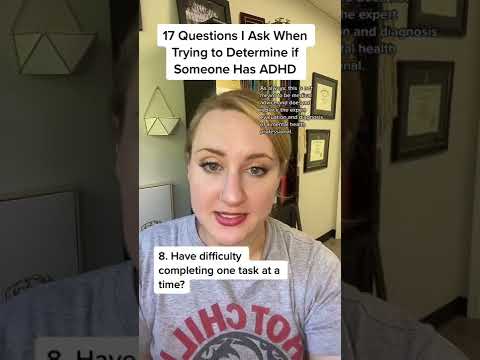
So, you’ve been feeling a little off lately? Like your brain is just bouncing around like a pinball machine? Trust me, you’re not alone.
ADHD can be tricky to pinpoint. It’s not just about being hyperactive or having trouble focusing. Sometimes it’s subtle, sneaking up on you when you least expect it.
Wondering if that restless feeling or constant daydreaming means something more? Let’s chat about the key questions that can help get you or someone you care about closer to an accurate diagnosis.
It might feel overwhelming, but it doesn’t have to be! We’re gonna break this down together and make sense of it all. Ready?
Unlocking the Secrets: How to Accurately Diagnose ADHD for Better Mental Health Outcomes
Diagnosing ADHD can feel like navigating a maze, but getting it right is so important for better mental health outcomes. It’s really about understanding the full picture of someone’s behavior and experiences. So, you know, let’s break it down.
First things first, ADHD stands for Attention-Deficit/Hyperactivity Disorder. It shows up differently in everyone. Some folks struggle with inattention, others deal more with hyperactivity and impulsivity—or sometimes it’s a mix of both. Recognizing the different ways ADHD can manifest is key.
Key questions that can help guide an accurate diagnosis include things like:
- What symptoms are present? A clear list helps paint the picture—has the person been easily distracted? Do they forget things often? Can they follow through on tasks?
- When did these symptoms start? To be diagnosed with ADHD, symptoms usually have to show up before age 12. But getting details on when these behaviors began is crucial.
- How do these symptoms impact daily life? Look at school or work performance and relationships. Do these challenges interfere with living life to the fullest?
- Is there a family history of ADHD or related issues? Genetics play a role in ADHD. Understanding if family members have struggled can provide valuable context.
Then there’s the importance of ruling out other conditions. You don’t want to mislabel someone just because they’ve got some attention issues; other mental health disorders might look similar but require different approaches.
Also, think about gathering input from various sources. Getting feedback from teachers or employers can provide insight into how the person behaves in different settings. That way, you’ll see if their attention issues pop up everywhere or just at home.
Sometimes it helps to use standardized rating scales or questionnaires that are designed specifically for diagnosing ADHD. These tools can help bring clarity to what’s happening.
And while talking about testing methods, there’s also behavioral assessments that often come into play too! These might involve direct observation during activities.
Alright, let’s talk about emotional experiences for a sec—imagine being a kid who can’t sit still during class while all your classmates seem to follow along just fine. That feeling of being “different” can be heavy and confusing, contributing to low self-esteem and frustration over time.
So yeah, once everything’s properly assessed and diagnosed, creating a treatment plan is next! This could involve therapy options or potential medication choices tailored specifically for how ADHD impacts them personally.
Diagnosis is really about understanding someone deeply—their strengths and struggles alike—and helping them find effective ways to thrive despite their challenges! Remember though; it’s not just ticking boxes—it’s all about connection and empathy throughout this process.
Key Questions to Expect During an ADHD Diagnosis: A Comprehensive Guide
When you’re going through the process of getting diagnosed for ADHD, you might be wondering what kind of questions they’ll throw your way. A good understanding of this can make you feel a bit more prepared. So, here’s a breakdown of key questions to expect during an ADHD diagnosis.
Your Symptoms
First off, the professional will want to know about your symptoms. They’ll ask you stuff like:
- When did you first notice these symptoms?
- Are there certain situations where your symptoms get worse or better?
- How do these symptoms impact your daily life—school, work, or relationships?
You’ll want to think back on specific times when your focus was off or when impulsivity got the better of you. Maybe it was during a big presentation at work, and suddenly, your mind wasn’t on the task but rather on what snack you’d have afterward.
Your History
Then, expect some questions about your personal history. They might ask:
- Have you had any previous diagnoses related to mental health?
- Is there a family history of ADHD or other mental health conditions?
- What medications have you tried in the past for attention-related issues?
This part is really important. It helps paint a picture of how things have been for you over time.
Your Behavior Patterns
Next up are behavioral patterns. You might hear things like:
- How do you typically organize tasks and responsibilities?
- Do you often lose items necessary for tasks—like keys or phones?
- Can you sit still easily, or do you often fidget?
Think about whether you’re the type to misplace things regularly. Ever feel like you’re constantly searching for that one shoe? These details count!
Your Attention Skills
Your attention span will also come under scrutiny. Expect questions such as:
- Can you concentrate on tasks that don’t interest you?
- How do distractions affect your ability to finish something?
- Have others commented on how long it takes for you to complete tasks?
Maybe you’ve noticed that minutes feel like hours when you’re stuck in a boring meeting—but time flies when you’re bingeing that new show.
Your Impulsivity and Hyperactivity
They’ll also dig into impulsivity and hyperactivity traits:
- Do people say you’re always interrupting conversations?
- Have there been times when you’ve acted without thinking about consequences?
- Do you often feel restless even when sitting still is expected?
It’s common to jump in with answers before someone finishes speaking—something many people experience but might not realize how much it affects conversations.
Your Coping Strategies
Lastly, they might want to know about how you’ve coped with these challenges over time.
Questions could include:
- What strategies have worked for managing these symptoms in the past?
- Do you use any tools like planners, reminders, or alarms to help out?
- How do people around you support your struggles with attention?
Reflecting on what helps can provide insight into how best to manage things moving forward.
Overall, these questions aim at painting a comprehensive picture of how ADHD manifests in your life. They aren’t trying to trip you up; rather, they’re trying to understand what’s going on so they can offer appropriate help—or suggest treatment options if needed. Getting ready for these topics can make the process feel less daunting and more constructive!
Top Questions to Expect in an Adult ADHD Assessment: A Comprehensive Guide
Okay, so you’re gearing up for an ADHD assessment, huh? That can feel a bit daunting, but really, it’s all about finding out what’s going on in your brain. You’ll probably face some common questions that help the evaluator understand your thoughts, behaviors, and feelings. Let’s dive into some of the key questions you might expect during this assessment.
1. Childhood Symptoms: One big area they’ll explore is your childhood. They’ll ask stuff like: “What were you like in school?” or “Did you have trouble paying attention back then?” This is super important because ADHD often shows up early on in life. So if you struggled with things like sitting still or focused attention as a kid, be sure to share those moments.
2. Current Symptoms: Next up, they’ll want to know about your current situation. Questions might pop up such as: “How do you manage tasks at work or home?” or “Do you often feel restless or easily distracted?” Your answers give them a clear picture of how ADHD affects your day-to-day life.
3. Life Impact: Expect to discuss the impact these symptoms have on various aspects of your life. Think questions like: “Has this made it hard to keep jobs?” or “How does it affect your relationships?” Being open here helps paint a full picture of what you’re dealing with.
4. Coping Mechanisms: They might want to know how you deal with challenges resulting from ADHD symptoms. You may be asked things like: “What strategies have you tried to stay organized?” It’s enlightening for them to see what works for you and what doesn’t.
5. Comorbid Conditions: Often folks with ADHD juggle other issues too, like anxiety or depression. They’ll inquire about other mental health conditions by asking: “Do you experience anxiety often?” Knowing this helps evaluators consider the whole landscape of your mental health.
6. Family History: Be prepared for questions about family members too—something like: “Is there any history of ADHD in your family?”. This information can highlight patterns that might run in families.
7. Personal Reflection: You might hear something along the lines of «How do you think ADHD affects who you are?» Reflecting on this can provide valuable insight into how self-awareness plays a role in managing symptoms and finding effective strategies.
I remember when my buddy was getting assessed; he freaked out over these kinds of questions thinking he had to have all the answers perfectly lined up! But honestly? It’s more about being yourself and sharing your experiences genuinely—there’s no right or wrong answer here!
So there it is! While assessments can be nerve-wracking—and trust me, almost everyone feels that way—being prepared can really help ease some tension. Just be honest, share openly, and remember—it’s all about understanding how best to support yourself moving forward!
So, ADHD, right? It’s one of those things that can feel pretty confusing. Like, you may see someone bouncing off the walls or struggling to focus and think, “Is that ADHD, or are they just being themselves?” Seriously, it can be tough to figure out if someone, including yourself, actually has this condition.
I remember a friend of mine named Jake. He was always gettin’ in trouble for not finishing his homework or daydreaming in class. Teachers would say he had «no focus.» But really, Jake was just a kid who loved building forts and daydreaming about adventures in outer space. It wasn’t until much later, after some testing and conversations with professionals, that we found out he had ADHD.
When it comes to nailing down an accurate diagnosis for ADHD, there are key questions that seriously need to be asked. First off: “How long have these symptoms been around?” Like if you’re talking about months or even years of difficulty paying attention or being super impulsive—that matters a lot.
Then there’s the question of where these symptoms show up: “Are these issues happening at home? School? Work?” You see how the environment can totally change how someone behaves? If a kid struggles in class but is fine at home playing video games, it might point towards something different than classic ADHD.
Another angle to consider is: “How do these symptoms affect daily life?” I mean, it’s one thing to be distracted; it’s another to struggle with friendships or school performance because of it. Like my buddy Jake—when he didn’t get help, things just got tougher and tougher for him.
And let’s not forget about age! Kids might show signs as young as four years old. So asking: “When did this all start?” becomes essential too! Sometimes kids are labeled too quickly when they haven’t even matured enough yet.
All of this brings us back to the importance of finding a good clinician who gets what they’re doing—someone who asks the right questions and pays attention to all aspects of life instead of just running through checklists like a robot.
So yeah, diagnosing ADHD can feel overwhelming at times—but taking time to explore questions thoughtfully means you get closer to understanding what someone really needs for support. Whether it’s therapy or maybe medication down the line—figuring it out is totally worth it!