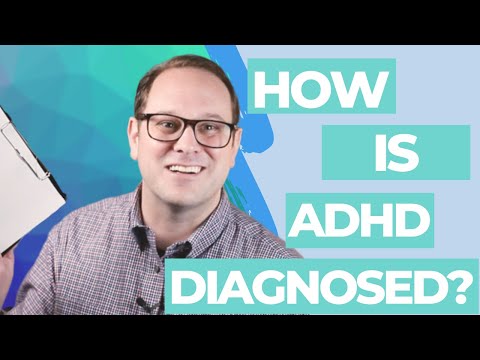
You know, figuring out if you have ADHD as an adult can be a little tricky. It’s not just about being hyper or having trouble focusing. There’s a lot more to it.
So, if you’re feeling scattered or just can’t keep your thoughts straight, it might make sense to look into getting tested. But what does that even look like?
Honestly, the whole process can seem super daunting. You’ve got tests and evaluations and maybe even some awkward conversations about your childhood.
Don’t worry—I’m here to walk you through it! Let’s break down what to expect. You’ll see, it’s not as scary as it sounds!
Understanding ADHD Testing for Adults: What to Expect and How to Prepare
So, you’ve been thinking about getting tested for ADHD as an adult, huh? That can feel like a big step. But understanding the process and what to expect can make it way less daunting. So let’s break it down.
First things first, what exactly is ADHD? Attention-Deficit/Hyperactivity Disorder isn’t just for kids. A lot of adults deal with it, too. It can impact your life in various ways, like difficulty focusing, being disorganized, and struggling to keep track of tasks or commitments.
When you’re ready to get tested, the process usually starts with finding a qualified professional. This could be a psychologist or psychiatrist who specializes in ADHD. You’ll want someone who gets how ADHD shows up in adults specifically because it’s often overlooked.
Now, here’s what to expect during testing:
- Initial Consultation: You’ll sit down with the clinician and have a chat about your history—like when symptoms started and how they affect your daily life.
- Standardized Questionnaires: You might fill out some forms that help gauge your symptoms. These often ask about your attention span, impulsivity, and hyperactivity.
- Cognitive Tests: You could also take tests that assess various cognitive skills like memory or processing speed. It’s kind of like an IQ test but more focused on specific areas affected by ADHD.
- Interview with Someone Close to You: Sometimes they’ll want a family member or close friend to give their perspective on your behavior over time. Having someone there can help capture the full picture.
And while all this sounds pretty formal, think of it as more of a conversation than an interrogation!
Preparation is key, too. Here are some things you might consider before going in:
- Keep a Journal: Jotting down thoughts about when you find it hardest to focus or when impulsivity kicks in can be super helpful for both you and the clinician.
- Gather Past Records: If you have any old school records—like report cards or evaluations—that show patterns from childhood, bring those along!
- Talk About Your Life: Be open about how ADHD-like symptoms interfere with work, relationships, or even personal projects.
You know what else? Sometimes people worry that they’ll sound exaggerative if they talk about their struggles too openly. But really? Don’t hold back! This isn’t a place for self-judgment; it’s all about understanding you better.
Once testing is done, a diagnosis may lead to different routes. If you’re diagnosed with ADHD, treatment options could include therapy (like cognitive-behavioral therapy), medication management, lifestyle changes—whatever makes sense for you personally.
In short? Testing for adult ADHD isn’t scary if you’re well-prepared and informed. You’re not alone in this journey; many adults are figuring out what’s going on inside their heads too! Just remember: it’s all about finding clarity so that living life feels easier and more manageable for you.
Exploring the Benefits of Baths for Managing ADHD Symptoms: A Guide to Soothing Self-Care
Baths can be a surprisingly effective way to help manage ADHD symptoms. You might think it’s just a way to get clean, but the soothing nature of a bath can actually support relaxation and focus. Here’s the thing: for many people with ADHD, sensory experiences can be overwhelming or distracting. A warm bath creates a calming environment that can help settle your mind.
Why Baths Matter for ADHD
When you soak in warm water, it can trigger your body to relax. This is especially useful if you often feel restless or anxious. The warmth of the water can soothe your muscles too, which helps release any built-up tension. So imagine you’ve had a long day and your thoughts are racing; that bath might just be the perfect remedy.
Sensory Stimulation
Baths provide that comforting sensory input—like the sound of water, the feeling of temperature against your skin, and even any scents from soaps or candles you might use. This kind of input is important for anyone but it could be particularly grounding for someone with ADHD. You know how sometimes when everything feels chaotic, having something consistent like warm water can bring back some focus? Yeah, that’s what I’m talking about!
- Routine Building: Making baths part of a daily routine can really help create structure in your day.
- Mindfulness: While soaking, it’s a great time to practice being in the moment—like noticing how the water feels or what scents you’re experiencing.
- Social Time: Sometimes baths aren’t just solo adventures! A bath with family can foster connection while also offering individual downtime.
- Pacing Yourself: Taking your time in a relaxing setting teaches patience—a skill that’s pretty beneficial for managing ADHD.
Anecdote Time
Let me tell you about my friend Jamie. They always struggled with keeping calm during busy workdays and found it hard to unwind at night. After reading about how simple baths could help manage stress and anxiety associated with their ADHD symptoms, they decided to give it a shot. The first night was awkward—you know how it is when trying something new—but they set up their favorite playlist and some candles around them. Fast forward a few weeks later: Jamie now looks forward to those evening baths as an essential part of their self-care routine and feels way more relaxed.
Add Some Extra Fun
You don’t have to stick to just soap bubbles! Try adding some Epsom salts or essential oils like lavender—they’re known for boosting relaxation too! Just keep in mind to test any products on your skin first because we all have different sensitivities.
In summary, baths really offer an excellent space where you can unwind while also helping manage those pesky ADHD symptoms. By using this soothing self-care approach regularly—taking note of what works best for you—you could find yourself feeling calmer and more focused overall. And let’s face it: who doesn’t want more peace in their life?
Understanding Adult ADHD Testing: What to Expect and How It Works
When you think about ADHD, you might picture kids bouncing off the walls, but adults deal with it too. And let me tell you, getting tested for ADHD as an adult can feel a bit daunting. You probably have some questions swirling around in your head like, “What’s gonna happen?” or “Is this really necessary?” Well, let’s break it down a bit.
First up, the testing process usually starts with a thorough evaluation. This typically involves answering questions about your symptoms. You might chat with a clinician about things like your attention span, hyperactivity levels, or even those moments when you just zone out. And honestly? It’s not just about checking boxes on a form. They’ll want to know how these traits impact your daily life—your work, relationships, and even your hobbies.
Then there’s the self-report questionnaires. These are crafted to measure behaviors and emotions tied to ADHD. Think of them as deep dives into how you tick. You might answer questions like “Do you often forget appointments?” or “Do you struggle to follow through on tasks?” It’s pretty common to find yourself nodding along as you fill these out because many of the questions hit home.
Also, look out for input from people who know you well—like family or friends. Sometimes they’ll ask for feedback from someone who sees you in action regularly. This can really help paint a complete picture of what life is like for you with ADHD tendencies.
Now onto another piece that’s super important: cognitive assessments. During this part of the process, the clinician may give you various tasks that test your memory and concentration. For instance, they could ask you to remember sequences of numbers or words or solve simple math problems under time constraints. It can feel a bit like brain gymnastics!
You might feel nervous—but try not too worry! This isn’t meant to be intimidating; it’s more about understanding how your brain processes information. Seriously, everyone has strengths and weaknesses!
After gathering all this info, the clinician will analyze everything they’ve collected—your self-reports, feedback from others, and test results—to make an informed diagnosis. If it turns out that yes—you do have ADHD—the next step will be discussing treatment options tailored just for you.
And remember: being diagnosed as an adult can be life-changing. Knowing what it is allows many people to finally put together the puzzle pieces of their experiences over the years. From feeling overwhelmed at work to struggling with focus during conversations—it all starts making sense once there’s clarity around what’s going on.
So if you’ve been thinking about getting tested for adult ADHD? There’s no time like the present! Understanding yourself better could lead to new strategies that help manage those pesky symptoms—and really improve your quality of life.
Getting tested doesn’t mean labeling yourself in some negative way—it means gaining insight into your mind so that you’re better equipped to handle whatever life throws at ya!
When it comes to getting an ADHD diagnosis as an adult, it can feel like a bit of a maze. Seriously, it’s not just the quick test and boom, you’re done. There’s a whole process involved.
To start, you’ll probably find yourself sitting down with a mental health professional who gets you—like really gets you. They’ll likely ask about your history—school experiences, work challenges, how you manage day-to-day life. You know those moments when you’re scrolling on your phone and realize hours have passed? Yeah, they wanna hear about stuff like that too.
The thing is, they might use some structured tests along the way. These aren’t like those silly quizzes in magazines where you find out what type of bread you are or something equally random. Instead, they’re questionnaires designed to assess symptoms and behaviors linked to ADHD. You might be asked about things like difficulty paying attention, impulsivity, or even if you’re constantly losing stuff (guilty!).
I remember when my friend got tested. She talked about how she felt relief mixed with anxiety while answering questions that made her recall all those times she struggled to focus during meetings or would forget appointments. It made her reflect on her life choices and how much easier things could’ve been if she’d known sooner.
And then there’s the aspect of getting feedback after the tests. This is crucial because it’s like receiving a full report card on your brain—what’s going well and what could use some help. But that can be intense too! Once the diagnosis is in hand (whether positive or negative), there’s this mix of emotions: validation for some folks because it explains years of feeling “off,” but also fear of what comes next.
You’ll want to think through treatment options afterward – medication might be one route for some people or maybe therapy—there are lots of strategies out there that can help manage symptoms.
Don’t forget about self-advocacy either; knowing more about ADHD means knowing how to communicate your needs better at work or in relationships, so don’t hesitate to speak up!
A diagnosis can feel overwhelming at first but think of it as the first step toward understanding yourself better. Embracing those quirks and challenges? Totally empowering! So if you’re considering testing for ADHD as an adult—or know someone who is—just remember: it’s all part of figuring out how to navigate life in a way that works best for you!