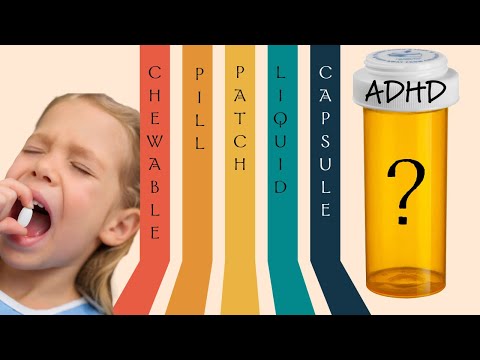
Hey there! So, let’s talk about something that’s been buzzing around lately: ADHD medications for adults. It’s a topic that can feel a bit overwhelming, right? I mean, there’s so much info out there, and it’s hard to sift through all of it.
You know how sometimes you just want to focus but your brain has other plans? Yeah, I’ve been there too. It’s not easy, and figuring out how to tackle ADHD as an adult is like trying to solve a Rubik’s cube blindfolded.
But here’s the thing: medications can play a big role in managing those pesky symptoms. Seriously! They’re not the magic wand everyone thinks they are, but they can help.
So, let’s break it down together—no judgment here—just real talk about what you might want to know when considering medication choices for ADHD. Sound good?
Top ADHD Medications for Adults Managing Anxiety: A Comprehensive Guide
So, let’s talk about ADHD medications for adults, especially when you’ve got anxiety in the mix. It’s a pretty common combo, and finding the right balance can be tricky. You know how it is—juggling the challenges of attention issues and anxiety can feel like walking a tightrope. So, here’s a breakdown you can chew on.
ADHD Medications Overview
First off, there are two main types of medications for ADHD: stimulants and non-stimulants. Stimulants are usually the go-to because they work pretty well for most folks. But if anxiety is also tagging along, sometimes non-stimulants might be a better fit.
- Stimulants: These include medications like Adderall and Ritalin. They boost dopamine levels in your brain, which helps with focus. However, they can sometimes ramp up anxiety levels.
- Non-stimulants: Meds like Strattera (atomoxetine) fall into this category. They don’t have the same stimulating effects as the others. This could help keep anxiety from getting worse while still addressing ADHD symptoms.
Anxiety Considerations
The thing is, anxiety and ADHD can really mess with each other. You might find that stimulants make your heart race or amplify anxious feelings. If that’s your experience, it’s good to chat with your doctor about possibly trying something different.
Some people notice that when they take stimulants for ADHD, it’s like pouring gasoline on an already flickering flame of anxiety. So it’s important to monitor how you feel once medication kicks in.
(For Example)
Imagine you’re at work trying to focus on a project but feeling scattered and anxious about deadlines looming over you. You start taking Adderall thinking it’ll help you concentrate better—but then your heart starts racing like you’re about to run a marathon! That’s when it might be time to reassess; maybe Strattera could be more chill for your situation.
Other Factors to Keep in Mind
Your overall health plays a big role in how medications affect you too. Factors like sleep quality or diet can influence both ADHD symptoms and anxiety levels.
- Caffeine: Too much caffeine? It might exacerbate both ADHD and anxiety—kind of like mixing oil and water.
- Sleeplessness: Poor sleep makes everything harder to handle, including managing these conditions.
Sometimes therapy alongside medication does wonders too! Cognitive-behavioral therapy (CBT) helps people manage anxiety effectively while also teaching strategies for handling distractions from ADHD.
A Word on Potential Side Effects
Just keep in mind that every med comes with its own set of possible side effects. Some common ones with stimulant medications include insomnia or loss of appetite—none of which make your day-to-day life easier! Non-stimulant meds have their own list but tend to be less intense overall.
In summary, if you’re dealing with both ADHD and anxiety as an adult, navigating medication can feel overwhelming but totally doable! Be sure to work closely with your healthcare professional so you find what works best for YOU—the juggling act doesn’t have to be impossible! Whether it’s sticking with stimulants or giving non-stimulants a shot, just remember: you’re not alone in this journey!
Top Medications for Managing Anxiety, Depression, and ADHD: A Comprehensive Guide
When you’re dealing with mental health issues like anxiety, depression, or ADHD, sometimes medication can help. So let’s break this down a bit—there are a few common types of meds that people often use.
Anxiety Medications
For anxiety, there are medications called benzodiazepines and SSRIs that many find helpful. Benzos (like Xanax or Ativan) work pretty quickly but can be addictive if used for long periods. SSRIs (like Zoloft or Lexapro) take more time to kick in but tend to have fewer issues with dependency. So, if you’re looking for something more long-term, SSRIs might be your go-to.
Depression Treatment
Now, let’s talk about depression. Here again, SSRIs are popular because they boost serotonin levels in your brain. But there’s also another class called SNRIs (like Effexor or Cymbalta) which impact serotonin and norepinephrine. Some folks feel one works better than the other—it really varies by person.
Some people even find benefit from atypical antidepressants like Wellbutrin, which has a different mechanism and is sometimes preferred for those with fatigue as a primary symptom.
ADHD Medications
When it comes to ADHD in adults, stimulants are usually the first-line treatment—think Adderall or Ritalin. They work by increasing dopamine levels in your brain to help with focus and attention. Not everyone responds well to stimulants though; some might have side effects like anxiety or insomnia.
If stimulants aren’t the right fit for you, there are non-stimulant options like Strattera that can also be effective. These might not work as quickly, but they can provide relief without some of the stimulant side effects.
The Importance of Finding What Works for You
The thing is, figuring out the right medication isn’t one-size-fits-all; it involves some trial and error along with professional guidance from your doctor. You might start on one med and then tweak dosages or even switch meds entirely based on how you feel.
But always keep in mind: medications come with potential side effects—ranging from mild annoyances to more serious ones—so it’s crucial to discuss these with your healthcare provider beforehand.
Lastly, medication’s often just part of the picture! Therapy techniques can also play a huge role in managing symptoms effectively alongside any meds you decide on.
In summary: knowing what options are out there gives you a better shot at finding what works best for you! So keep communicating openly with your healthcare provider about how you’re doing along the way—you deserve support!
Top ADHD Medications for Adults Facing Depression: Finding the Right Balance
ADHD and Depression: A Common Turmoil
So, dealing with both ADHD and depression can feel like a rollercoaster ride, right? Like, one minute you’re energized and bouncing around, and the next you feel heavy and stuck. Many adults face this combo, which makes finding the right medications super important. But the journey isn’t always straightforward.
The Role of Medication
When tackling ADHD in adults who also have depression, it’s not just about taking any pill that claims to help. The goal is to find a balance that addresses both issues without making one worse than the other. Often, medications for ADHD can affect mood—sometimes positively, sometimes negatively. So yeah, the balance is key.
Common Medications
Here’s a quick look at some of the main options for meds that can help both conditions:
- Stimulants: These are like the heavy hitters in treating ADHD. Medications like **Adderall** or **Ritalin** can ramp up focus and reduce impulsivity. But for some people with depression, stimulants might trigger anxiety or irritability. So it’s crucial to monitor how they feel.
- Nonnarcotic Options: **Strattera** (atomoxetine) is a non-stimulant option that can help with ADHD without those stimulant side effects. Some folks find it eases symptoms of both ADHD and depression without amping them up too much.
- Antidepressants: Sometimes SSRIs (like **Zoloft** or **Prozac**) are prescribed along with ADHD meds to tackle depressive symptoms. Antidepressants can take weeks to kick in though, so patience is needed.
- Dopamine Norepinephrine Reuptake Inhibitors (DNRIs): Meds like **Wellbutrin** can be effective too. They treat depression while boosting focus; they may be a perfect fit for someone juggling both conditions.
The Balancing Act
Now here’s where it gets tricky—individual responses vary a lot! People with both ADHD and depression might react differently to the same medication combination; what works wonders for one person could backfire for another.
It often takes time to find that sweet spot. You might need to try different dosages or combinations while keeping tabs on your mood changes along the way.
A Personal Experience
I once knew someone named Jake who struggled with this exact situation. He felt overwhelmed by constant distractions from his ADHD but was also battling waves of sadness from his depression. After trying out several meds, he found that pairing an antidepressant with Strattera helped even out his moods while enhancing focus at work.
But it took time! He faced lots of trial and error before settling into a routine where he felt productive yet stable emotionally.
Your Support Network Matters
Talking things out with a psychiatrist or therapist really helps here! They’ll know how these medications interact and how you might experience them together—you don’t have to figure this all out alone.
This balancing act between treating ADHD and managing depressive symptoms doesn’t have to be intimidating; just remember: Progress may be slow at times but it’s definitely worth pursuing!
You know, ADHD can really throw a wrench in things for adults. It’s like, one moment you’re on a roll, and then you just get derailed by something totally random. I had a friend, let’s call him Mike, who always struggled with this. He’s super smart and funny but had trouble keeping organized at work. His brain was like a TV on shuffle mode—jumping from channel to channel without any warning.
When Mike finally got diagnosed with ADHD, there was this whole new world of options opened up for him. That’s when the conversation about medications came in. If you’re sitting there wondering about it too, it can feel overwhelming trying to sift through all the info and personal stories. So many choices! It’s not just about what seems to work for others; it’s your brain we’re talking about.
ADHD meds are usually divided into two main types: stimulants and non-stimulants. Stimulants are basically the go-to because they help boost certain neurotransmitters like dopamine—something folks with ADHD often have lower levels of. But then there are also non-stimulant options that can be great if stimulants aren’t your jam or cause side effects that just don’t sit right with you.
I mean, Mike tried a couple of different things before he found what worked best for him. At first, he felt jittery and anxious with one type of stimulant—it wasn’t pretty! He was ready to give up when his doctor suggested switching it up to another med that didn’t have those side effects so intensely. It took some time, ya know? But he finally started feeling more focused without feeling all wired.
That’s the thing about navigating these mental health choices: it’s super personal. What helps one person might not help another at all, and that can be frustrating as hell sometimes! So many factors come into play—your lifestyle, your body chemistry, even how much support you have from family or friends.
What Mike found really helpful was being open with his doctor about how he felt on his meds—the good stuff, the bad stuff—it was all part of figuring it out together. That makes such a difference! Communication is key; you gotta advocate for yourself.
It’s also important to remember that medication isn’t the only tool in the toolbox. Therapy plays a huge role too and sometimes combining both is where real magic happens… Well, not magic per se but you catch my drift!
If you’re looking at ADHD meds as an option for yourself or someone close to you—just take your time weighing your options and figuring out what feels right. Your journey may look different from others’, but don’t let that discourage you! Finding what works could be life-changing in ways you’d never expect.