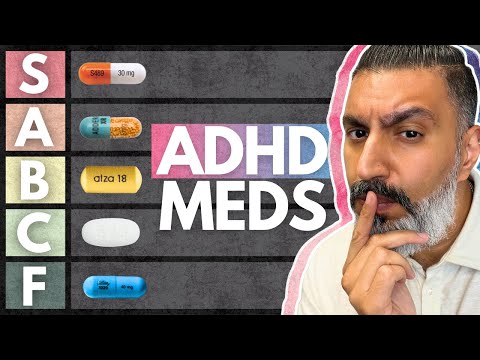
Hey, you know that feeling when your brain just won’t chill? Like, everything’s a distraction and concentrating feels impossible? Yeah, that’s pretty much how it goes for a lot of folks with ADHD.
You might’ve heard about meds that can help. And, guess what? You can actually find some of them online these days. It’s kind of wild how things have changed, huh?
But here’s the kicker: while these meds can help with focus and impulse control, they also come with their own set of vibes—some good, some not so great. So let’s chat about what’s out there and how they might mess with your head in different ways. You in?
Exploring the Impact of ADHD Medications on Mental Health: Risks and Benefits
When you’re navigating the world of ADHD medications, it’s crucial to understand how these meds can affect your mental health. Seriously, there are both risks and benefits involved, so let’s break it down in a simple way.
First off, ADHD medications usually fall into two categories: stimulants and non-stimulants. Stimulants are the most common and include drugs like amphetamines and methylphenidate. They’re often seen as the go-to because they help increase focus and decrease impulsivity. But here’s where it gets tricky. While these meds can work wonders for many folks, they can also bring some side effects that impact your mood or emotional well-being.
Now, there are benefits. Many people with ADHD report improved concentration, better social interactions, and enhanced productivity when they’re on medication. Imagine finally finishing that book you’ve meant to read or actually following through on projects at work! It feels great when things click into place.
But on the flip side, some people experience downsides like anxiety or mood swings after starting these meds. This happens because stimulants can ramp up your nervous system—like a double shot of espresso for your brain! You might feel jittery or even more anxious than before. And let’s be real: nobody wants to trade one issue for another.
Then we’ve got non-stimulant medications, which can be a good alternative if stimulants aren’t working out for you or causing too many side effects. These might take a little longer to kick in but generally make for smoother sailing with fewer ups and downs in mood.
The thing is, finding the right medication often involves some trial and error—you know? It’s not uncommon to try several before settling on one that fits just right with minimal side effects. That journey can be frustrating but hang in there!
Here are some important points to think about when considering ADHD medications:
- Individual Response: Everyone reacts differently to meds; what works for one person might not work for another.
- Side Effects: Be aware of possible negative effects like insomnia or irritability—sometimes it takes time to adjust.
- Counseling Plus Medication: Many find that combining therapy with medication really boosts their mental health overall.
- Regular Check-ins: Keeping an open dialogue with your doctor about how you’re feeling is super important; adjustments may be needed.
Real talk: finding the right ADHD medication is only part of the equation when it comes to managing mental health effectively. If you’re dealing with anxiety or depression alongside ADHD, keeping everything balanced can feel like walking a tightrope sometimes.
Just remember this: managing ADHD isn’t just about popping pills; it’s about understanding yourself better—your strengths and struggles—and working towards what makes life feel good for you!
Understanding the Zombie Effect of Methylphenidate: Impacts on Mental Health and Behavior
Methylphenidate, you know, is a common medication prescribed for ADHD. It’s often known by its brand names like Ritalin or Concerta. Now, when people talk about the “Zombie Effect,” they’re typically referring to a strange side effect that some users experience—like feeling emotionally flat or disconnected. This can be a bit concerning because, while the medication helps with focus and attention, it can also make you feel like a shell of your former self.
So, let’s break this down a bit more. When someone takes methylphenidate, it boosts certain chemicals in the brain—specifically dopamine and norepinephrine. These are super important for motivation and focus. But here’s the kicker: if those levels get too high or if the medication doesn’t quite match up with what your body needs, it might lead to that zombie-like feeling.
Emotional numbness is a big part of this experience. Imagine being in a situation where you used to feel excitement or joy—like hanging out with friends or watching your favorite movie—but now you just feel… nothing. Kind of eerie, right? It’s like being on autopilot instead of truly living in the moment.
And then there’s behavioral changes. Some folks might snap at others more easily because they’re feeling irritable or anxious under the surface—stuff you’ve probably heard about if you’ve ever talked with someone who’s been on these meds. It’s not always easy to see, but these behaviors can create tension in relationships and impact daily life.
Also, let’s chat about dosage. The thing is, finding the right dose can be tricky. Too little might not help with attention issues at all; too much can amplify those zombie effects. You end up in this balancing act trying to figure out what works best for you—or your kiddo if we’re talking about children with ADHD.
Another piece of the puzzle is duration of use. Sometimes people notice that those zombie feelings come after extended use or after an adjustment in their dosage. It’s crucial to keep communication open between patients and their doctors during this time so adjustments can be made as needed.
In short, while methylphenidate can offer pretty amazing benefits for managing ADHD symptoms, it isn’t without its potential downsides that some people might face—including that unsettling Zombie Effect. If you or someone you know feels off while taking it—emotionally numb or acting differently—it might just be worth chatting with a healthcare provider about how to address these concerns effectively.
Top ADHD Medications for Adults: Discover the Most Effective Treatments
Sure! Let’s have a chat about ADHD medications for adults, focusing on some common options and what they do.
Attention Deficit Hyperactivity Disorder (ADHD) can be a tricky thing to navigate. And if you’re an adult dealing with it, picking the right medication can make a world of difference. The best part? There are various effective treatments available that can really help manage your symptoms.
Stimulant Medications are usually the first line of treatment for adults with ADHD. They work by boosting certain neurotransmitters in the brain, which helps with focus and attention. The most popular ones include:
Now, not everyone reacts the same way to these meds, which is super important to keep in mind. Some people find that stimulants really rev up their focus, but others may experience anxiety or sleep issues after taking them. Finding the right dosage can take some time—so don’t get discouraged!
If stimulants aren’t your thing or you have concerns about them, there are non-stimulant medications, too. These usually take longer to kick in but can still be helpful:
The effects of these medications can vary widely. Some people notice improvements in organization, task completion, and overall mood; others may deal with annoying side effects like fatigue or digestive issues.
Also worth mentioning is that taking these meds isn’t always straightforward—it often comes down to trial and error. You might start on one medication or dosage and then need adjustments based on how you feel.
It’s also essential to think holistically about ADHD management. Medication could work wonders when combined with therapy or lifestyle changes like exercise, proper sleep, and a balanced diet. Seriously though, don’t underestimate how much that stuff matters!
If you’re considering online options for getting these medications prescribed—be cautious! Make sure you’re working with licensed professionals who know their stuff because your mental health is no joke.
So remember: every individual is different when it comes to ADHD treatment wow many medicines exist out there! It’s more than fine to ask questions along the way—be your own advocate!
So, let’s chat about ADHD medications, especially the ones you can find online. It’s a topic that can make your head spin a little bit. Whether you or someone you know has ADHD, figuring out treatment options can feel overwhelming. And let’s be honest: the world of medication is like a jungle—lots of choices, lots of info, and plenty of confusion.
First off, ADHD stands for Attention-Deficit/Hyperactivity Disorder. If you’re living with it, you might feel restless, forgetful, or easily distracted. Some people manage this through therapy and coping strategies. But many find that medications help them focus better or calm racing thoughts.
When it comes to getting these meds online, things get tricky. You’ve probably heard stories about people ordering prescriptions without ever seeing a doctor in person. That’s risky business! It’s not just about clicking “add to cart” and hoping for the best. Meds like stimulants (think Adderall or Ritalin) are powerful substances that can have major effects on your mental health.
I remember talking to a friend who started taking Adderall online after hearing all the hype about it boosting focus. She was initially excited but soon felt like she was on a roller coaster—up one minute and crashing down the next. Turns out that while these meds can help some people settle into their tasks, they don’t work the same way for everyone. In her case, anxiety skyrocketed.
One big thing to consider is how ADHD medications can impact your mental well-being over time. For some folks, they might lead to stronger concentration and productivity but can also create side effects like insomnia or mood swings. It’s like walking a tightrope—finding balance is key.
And then there’s this whole world of online pharmacies promising quick access without an exam or follow-up care—it sounds tempting but could be dangerous! You could miss out on really important assessments from healthcare providers who understand your history and needs.
Honestly? If you’re considering going down this road, make sure to do your homework and talk to someone you trust—like a therapist or doctor—before making any hasty decisions. Medications have their place in treatment plans but should always come hand-in-hand with professional guidance.
So yeah, while the internet offers a ton of stuff at your fingertips—including ADHD medication—it pays off to slow down and think before hitting «buy.» Your mental health deserves that kind of care!