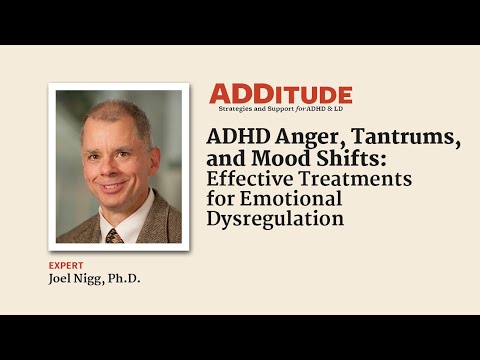
You know, ADHD can be a wild ride. It’s like your brain has a million tabs open at once. And sometimes, those feelings? They go into overdrive.
Emotional dysregulation is a big part of that struggle. It’s when emotions feel like they’re running the show. One minute you’re happy, the next you’re in a complete meltdown.
But here’s the thing: there are ways to help manage that chaos. Seriously, it doesn’t have to control you.
So, let’s chat about some effective approaches to treat this whole emotional whirlwind. You might just find something that clicks!
Effective Strategies for Managing ADHD Emotional Dysregulation: A Comprehensive Treatment Guide
Emotional dysregulation can be a real struggle for folks with ADHD. It’s like having a rollercoaster of feelings that you can’t always control, right? Sometimes you might feel super happy one moment, and the next, you’re overwhelmed or angry over something small. Managing that emotional ride isn’t just about willpower—there are strategies that can really help.
1. Recognize your triggers. The first step to regaining some control is figuring out what sets off those intense emotions. It could be certain situations, people, or even stress levels. Keeping a little journal can help track when those feelings spike.
2. Practice mindfulness. Mindfulness is all about staying present in the moment and accepting your emotions without judgment. Techniques like deep breathing or meditation can really ground you. For instance, when starting to feel overwhelmed, take a few deep breaths and focus on counting them out: one in, two out.
3. Use coping strategies. When emotions start to bubble up, having a toolkit ready is key! You might try going for a walk to clear your head, listening to music you love, or talking it out with someone who gets it.
4. Break tasks into smaller steps. This one’s crucial because sometimes feeling overwhelmed comes from looking at a big project instead of manageable pieces. Try writing down small steps and checking them off as you go—definitely feels good!
5. Get support. Connect with people who understand—friends, family, or a therapist specializing in ADHD can provide valuable insights and support. It’s not about venting but sharing experiences that make the journey easier.
Emotional regulation doesn’t have to be this giant mountain to climb alone; it’s more like learning how to navigate through the ups and downs of everyday life while still feeling good about yourself.
15 Effective Strategies to Manage Explosive Emotions in ADHD: Understanding and Disarming Intense Feelings
Managing intense emotions, especially when you have ADHD, can feel like riding a rollercoaster without a seatbelt. You’re up and down, swirling around, and sometimes it’s just hard to breathe. So let’s talk about how to approach these feelings in a way that feels a bit more doable.
First off, it’s super important to recognize what you’re feeling. Sometimes you might explode in anger or tear up out of nowhere. Understanding that these reactions can come from ADHD-related emotional dysregulation is the first step. You know how when you’re really hungry and just snap at someone? It’s kinda like that, but with feelings being the driver.
Here are some effective strategies to help manage those explosive emotions:
- Mindfulness Practices: Taking a moment to breathe deeply can really ground you. Just focus on your breath for even a minute. You’ll find that slowing down helps bring clarity.
- Identify Triggers: Keep a journal of moments when your emotions spike. That way, you can see patterns and prepare for them next time. Like if arguing about chores always sets you off.
- Use “I” Statements: Instead of saying “You always make me mad,” try something like “I feel overwhelmed when…” It shifts the focus away from blame.
- Create an Emotion Toolbox: Stock it with things that calm you down—music, fidget toys, or calming scents like lavender—whatever works for you!
- Physical Activity: Engaging in physical activity is great for releasing pent-up energy. Go for a run or dance in your living room!
- Sensory Tools: Sometimes tactile experiences help refocus your brain. Play with putty or squeeze a stress ball until those feelings cool off.
- Set Boundaries: It’s okay to take breaks during heated conversations or situations that might lead to emotional outbursts. Stepping away can save relationships.
- Create Routine: Structure helps limit unexpected surprises, which means less chance for explosive emotions to rear their heads.
- Cognitive Behavioral Techniques: Challenge negative thoughts by asking yourself if they’re fair or true—like questioning if everyone really dislikes your ideas at work.
- Simplify Choices: Fewer decisions lead to less overwhelm! Make simple choices whenever possible, like what outfit to wear the next day ahead of time.
- Acknowledge Feelings:You don’t have to fight against how you feel; just accept it as part of the ride sometimes! Recognizing this is half the battle.
- You Can Practice Self-Compassion:This means being kind to yourself when things get tough instead of being too hard on yourself for not “doing better.”
You know, I once knew someone who would literally keep a stress ball handy during meetings because they knew how anxiety would build up otherwise. It wasn’t magic; it was just part of their plan!
A support network, whether friends, family, or therapists who understand what you’re going through is crucial too. They can provide perspective and comfort when you’re feeling all sorts of intense stuff.
Incorporating these strategies isn’t going to change everything overnight—that’s for sure—but they can definitely help little by little! Each small step makes navigating those wild emotional waves feel more manageable over time. It’s all about giving yourself grace while learning how to ride those highs and lows effectively!
Understanding ADHD: Real-Life Examples of Emotional Dysregulation
Understanding ADHD can feel like a maze sometimes. You think you’ve got it figured out, but then BAM, something throws you off. One of the sneaky aspects of ADHD (Attention-Deficit/Hyperactivity Disorder) is emotional dysregulation. This means that folks with ADHD might have a tough time managing their feelings, which affects daily life in real serious ways.
What is Emotional Dysregulation? It’s basically when emotions run high and get out of control. For someone with ADHD, it’s not just feeling sad or angry; it can be like riding a rollercoaster where the highs and lows come at you fast—and without warning!
Imagine this scenario: You’re at work, and your boss gives you some constructive feedback on a project. For most people, it might sting a bit but then they’d bounce back. But with someone who has ADHD, that criticism can feel like getting hit by a truck. They might react strongly—getting angry or upset when really they just needed a moment to cool down.
So, let’s break it down into relatable examples:
- Impulsive Reactions: Picture this: You’re at a family gathering and someone cracks a joke about being late again (like five minutes late). Instead of just brushing it off, you snap back harshly without thinking. Later on, you’re left feeling terrible and isolated because that joke struck a nerve.
- Overreacting: Think about those times when the little things become huge mountains to climb. Maybe you misplaced your keys for the fifth time this week. That sinking feeling of panic can spiral into frustration or even rage after no one seems to help find them!
- Sensitivity to Rejection: Let’s say your friend cancels plans last minute because they’re sick. Instead of understanding and empathy, you might feel deeply rejected—as if they don’t value your friendship anymore—going from 0 to 100 in seconds.
Now, how do we tackle this? Effective approaches for emotional dysregulation are all about understanding and managing these intense feelings.
Start with mindfulness techniques. Learning how to breathe deeply or take breaks can help slow down those racing thoughts and overwhelming emotions. It’s like hitting pause on that rollercoaster for just a moment.
Then there’s Cognitive Behavioral Therapy (CBT). This type of therapy helps reframe negative thinking patterns into something healthier and more constructive. So instead of spiraling into anger over lost keys, CBT guides you through recognizing thoughts like “I always mess everything up” and turning them into “I’m still learning; it happens.”
Finally, some people find that medication can be part of the solution too! It helps with focus but also mood stability which addresses those emotional swings head-on.
Understanding ADHD’s emotional aspects—and their effects—is crucial for anyone dealing with it or supporting someone who does. It’s not just about hyperactivity or distractibility; it’s also about navigating swirling emotions that sometimes feel impossible to manage!
So, let’s talk about ADHD and that pesky emotional dysregulation that often tags along. You know how it is when emotions hit like a tidal wave? One minute you’re fine, and then suddenly, bam! You’re feeling overwhelmed, angry, or just plain sad for no reason. And for folks with ADHD, those emotional roller coasters can get even wilder.
I remember a friend of mine, Sarah. She’s super creative and has a heart of gold but would sometimes struggle with her emotions. There were days when she’d snap at someone over something small or break down in tears after a minor setback. It was hard to watch because the emotions weren’t just fleeting—they felt real and intense.
Now, one effective way to approach treating ADHD-related emotional dysregulation is through therapy. A lot of people swear by cognitive-behavioral therapy (CBT). It’s pretty straightforward at its core: the idea is to recognize your thoughts and how they affect your feelings and behaviors. So, when those big emotions come knocking on your door, CBT teaches you to identify triggers and switch up the way you think about them—which can help calm things down.
Mindfulness practices are another powerful tool in the toolbox. Seriously, taking a moment just to breathe or ground yourself can make all the difference when you’re riding that emotional wave. It’s like hitting pause on all that chaos swirling inside your head.
And let’s not forget about medication! While it doesn’t solve everything (and it sure isn’t for everyone), some folks find that certain meds can help ease symptoms of ADHD itself—and in turn make those emotional peaks feel less daunting.
Support from family and friends plays a huge role too. Just having someone who gets it—who understands what you’re going through—can be incredibly soothing when emotions run high.
At the end of the day, every person is different, right? What works wonders for one might not do much for another. But with patience and the right support system in place, it’s possible to navigate through those rough patches of emotional dysregulation while living with ADHD. Sarah learned to manage her ups and downs over time by combining therapy with mindfulness techniques—and while she still has her moments (who doesn’t?), she’s definitely found more balance now! And that’s what it’s all about—finding what works best for you so those tidal waves don’t feel so overwhelming anymore.