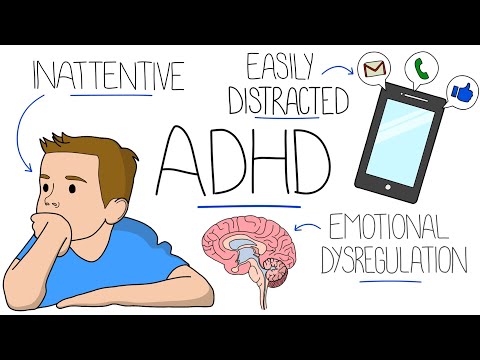
You know, ADHD is one of those topics that pops up everywhere. It’s not just about being hyper or distracted. There’s so much more to it, like, seriously.
A lot of folks think ADHD is just a childhood thing, but it sticks around for many into adulthood. It can affect your work, relationships, pretty much everything.
And here’s the kicker: it’s classified as a cognitive disorder. That means it messes with how we think and process stuff. You follow me?
So let’s break this down together. We’ll chat about what ADHD really means and why that label matters. Trust me, it’s more interesting than you might think!
Understanding ADHD: Is It Classified as a Cognitive Disorder?
ADHD, or Attention-Deficit/Hyperactivity Disorder, is a term that gets thrown around a lot these days. So, let’s break it down. Is it really classified as a cognitive disorder? Well, here’s the deal.
First off, ADHD is a neurodevelopmental disorder. This means it involves differences in how the brain develops and processes information. It’s not just about being hyper or easily distracted; there’s way more to it.
When we talk about cognitive disorders, we’re usually focusing on problems with thinking skills like memory, problem-solving, attention, and language. Now, ADHD does affect attention and impulse control. But it doesn’t fit neatly into the typical idea of cognitive disorders like Alzheimer’s or other forms of dementia.
One could say that ADHD impacts certain *cognitive functions.* Here are some key points to consider:
You might be wondering why this matters. Understanding these elements is crucial for developing effective strategies for managing ADHD symptoms.
Now let’s get personal for a moment. Imagine you’re trying to study for an important test but your mind keeps drifting off to random thoughts like what you’ll have for lunch or that funny video you saw last week. That’s kind of what someone with ADHD experiences daily—it can feel overwhelming and frustrating.
So while ADHD does affect cognitive functions—specifically attention and impulse control—it doesn’t fully classify as a cognitive disorder in the traditional sense. It encompasses more than just that realm; it’s about how those functions interplay with behavior too.
So yeah, if you’re looking at ADHD through a strictly cognitive lens, it’s not quite there—more like overlapping territories between behavioral issues and cognitive processing disruptions.
In summary, while elements of cognition are definitely influenced by ADHD symptoms, calling it just a cognitive disorder doesn’t do it justice. It spills into various aspects of life—academic performance, social interactions… even your sense of self-worth can take a hit sometimes!
Understanding this helps you recognize that people with ADHD aren’t just dealing with “laziness” or “inattentiveness.” There’s real brain wiring involved here!
Top Supplements for ADHD: Boost Focus and Manage Symptoms Naturally
Alright, so let’s chat about ADHD and how supplements can play a role in managing its symptoms. ADHD, or Attention-Deficit/Hyperactivity Disorder, is often classified as a cognitive disorder. What this means is that it affects how you think, learn, and stay focused. But there are ways to naturally support your brain beyond the usual medicated options.
There’s been some buzz about different supplements that could help boost focus and manage those pesky symptoms associated with ADHD. While taking them isn’t a magic fix, they can seriously complement other treatments you might be using.
- Omega-3 Fatty Acids: Found in fish oil and flaxseed, these little guys are known for promoting brain health. A lot of folks with ADHD have lower levels of omega-3s compared to others. Some studies suggest they might help improve attention and reduce impulsivity.
- Zinc: This mineral plays a crucial role in neurotransmitter function and might just enhance cognitive abilities. Some research has shown that zinc supplementation can be beneficial for kids with ADHD.
- Magnesium: This one’s known for its calming effects on the nervous system. It may help alleviate hyperactivity in some individuals. If you’re feeling jittery or restless, maintaining good magnesium levels might just help stabilize things.
- B-Vitamins: B-complex vitamins are essential for energy metabolism and brain function. They can contribute to mood regulation too. If you’re low on these nutrients, you may notice your concentration slipping away.
- L-Theanine: Commonly found in green tea, this amino acid can promote relaxation without drowsiness. It helps some people feel calmer while still being able to focus.
So here’s the thing: You don’t want to just throw any supplement into your routine without considering everything else going on with you. It’s kinda like trying to patch up an old tire without checking if it has a hole somewhere else first.
I remember a friend who struggled with focusing in class—they could never sit still! After chatting with a professional about options, they decided to try omega-3s along with some behavioral strategies from therapy sessions. Over time, their focus improved significantly and their grades really showed it!
Before starting any new supplement regimen though—seriously—talk to someone who knows what they’re doing like a doctor or nutritionist. Everybody’s body reacts differently; what’s helpful for one person might not do much for another.
At the end of the day, while supplements can offer support, they’re just part of the bigger picture when dealing with ADHD. Finding what works best for you is more than just picking out the right bottle off the shelf; it’s about understanding yourself better and making informed choices!
Comprehensive ADHD Research Paper PDF: Insights and Findings on Attention Deficit Hyperactivity Disorder
The thing about ADHD, or Attention Deficit Hyperactivity Disorder, is that it’s not just about bouncing off the walls. It’s a real cognitive disorder that can mess with how you focus, control impulses, and manage your daily life. You see, ADHD affects people of all ages, but it often shows up in childhood. The symptoms can really vary—some folks are more hyperactive while others might struggle with paying attention.
Classification as a Cognitive Disorder is something that gets talked about a lot. Basically, ADHD doesn’t just impact your behavior; it also affects how your brain processes information. So when we say it’s a cognitive disorder, we’re highlighting how this condition can make things like *planning*, *organizing*, and *executing tasks* a lot trickier than for someone without ADHD.
Understanding the insights from comprehensive research helps clarify this condition even more. Studies show that ADHD is linked to differences in brain structure and function—like lower activity in certain areas responsible for attention and impulse control. Pretty interesting stuff, right?
Then there’s the whole classification system we use to diagnose ADHD. It falls under the umbrella of neurodevelopmental disorders according to the DSM-5—basically, that’s the handbook for diagnosing mental health conditions in the U.S. Here’s where it gets a little technical: within ADHD itself, there are different presentations:
- Inattentive presentation: This is where someone might have trouble focusing and organizing tasks.
- Hyperactive-impulsive presentation: This one shows up with excessive movement and impulsive actions.
- Combined presentation: A mix of both inattentive and hyperactive-impulsive symptoms.
Now let’s talk about everyday scenarios that might help paint a clearer picture of living with ADHD. Imagine you’re at work trying to finish an important report. Your mind starts wandering—suddenly you’re thinking about last weekend or what you’ll have for dinner instead of crunching those numbers on your screen. That’s classic inattentive behavior! But maybe you also catch yourself interrupting a colleague mid-sentence without even realizing what you’re doing—that reflects the impulsive side.
People often say that having ADHD feels like having a browser open with too many tabs at once—everything’s happening simultaneously, but it can be hard to keep track of what needs attention first.
Research keeps evolving too; scientists are looking into genetics, environmental factors, and even dietary influences on developing ADHD traits—all aiming to better understand this complex condition.
It’s no wonder there’re so many resources out there! Reading through comprehensive papers or articles can shed light on how people are managing their symptoms today—be it through therapy options like CBT (Cognitive Behavioral Therapy), medication management, or lifestyle changes like mindfulness practices.
So yeah, if you’re curious about ADHD or know someone who has it (or suspect they might), diving into solid research can provide valuable insights not just for understanding but also for support strategies moving forward!
ADHD, or Attention-Deficit/Hyperactivity Disorder, is one of those topics that seems to come up a lot, especially these days. So many people throw around the term like they’re talking about the weather. But when you dig a little deeper, you realize it’s more complex than just an impulsive kid bouncing off the walls.
So, here’s the thing: ADHD is classified as a cognitive disorder. This means it mostly affects how we think and process information. You might know someone who has it or maybe you’ve felt its effects yourself. It can be like trying to listen to your favorite song with someone constantly changing the volume. One minute you’re jamming along, and the next? Total static.
I remember my friend Sarah telling me about her son Jake. He was always getting in trouble at school for not paying attention or blurting out answers without raising his hand. I think she felt frustrated, but also confused—why couldn’t he just focus? It was rough for both of them because Jake wasn’t acting out on purpose; his brain just worked a little differently.
Sometimes the way ADHD shows up can feel almost unfair. Kids with ADHD might struggle with sitting still, following directions, or keeping track of their belongings – basic stuff that so many take for granted. But let’s not paint it all in black and white; it doesn’t mean they aren’t smart or creative. In fact, many people with ADHD have some amazing strengths: heightened creativity, hyper-focus on things they love, and an impressive ability to think outside the box.
Cognitive disorders like ADHD are often misunderstood in our society. There’s still that stigma floating around—people say things like “Oh, he just needs to try harder!” But if there’s anything I’ve seen from my friends raising kids with ADHD (or from conversations over coffee), it’s that they really do try hard; they just might need different tools to help them succeed.
And here’s where awareness comes into play because understanding what ADHD really is can make a world of difference—not just for individuals but for families and communities too. It can help us stop making snap judgments and start embracing different ways our brains work.
In short? ADHD is legit real—it impacts how people think and function daily but doesn’t define who they are or what they’re capable of achieving. With support and understanding—well, amazing things can happen!