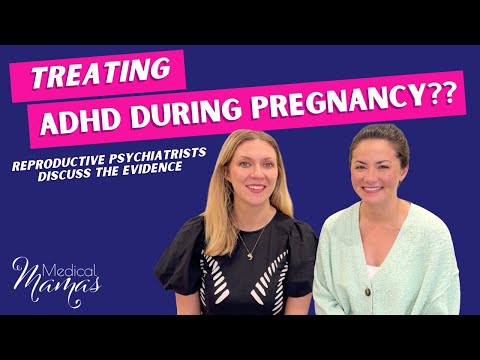
So, let’s talk about ADHD and pregnancy. It’s a topic that’s super important but kinda tricky, too. If you or someone you know has ADHD and is thinking about having a baby, there’s a lot to consider.
First off, the meds you take can really affect things. You might be wondering, “Is it safe for my little one?” Or “What happens if I stop taking them?” These are totally valid questions!
And then there’s the whole post-pregnancy thing. Once baby’s here, what do you do? Meds might still play a role. So yeah, it can feel overwhelming.
But don’t worry! We’ll break it down together. So grab a cup of coffee, and let’s dive into this journey of balancing ADHD treatment and motherhood.
Top ADHD Medications Considered Safe for Use During Pregnancy: A Comprehensive Guide
When it comes to ADHD and pregnancy, it’s a bit of a balancing act. You’ve got to think about the wellbeing of both mom and baby. So, let’s break down what you need to know about ADHD medications that are generally considered safer during this special time.
First off, consulting with a doctor is crucial if you’re pregnant or planning to be. Every situation is unique. Your healthcare provider can help weigh the risks and benefits based on your history and symptoms.
Now, stimulant medications are often the first line of treatment for ADHD. But during pregnancy, they come with potential risks like low birth weight or premature birth. Some common ones include:
- Methylphenidate: This is mainly known as Ritalin or Concerta. Some studies suggest it’s okay during pregnancy, but always discuss it with your doc.
- Amphetamines: Medications like Adderall fall into this category. They may have potential risks, so weigh those carefully.
Next up are non-stimulant medications. These can sometimes be a safer alternative when you’re pregnant.
- Atomoxetine (Strattera): This one’s not a stimulant and generally has fewer risks associated with pregnancy compared to stimulants.
- Bupropion: Often used for depression too, some believe it could be safer than traditional stimulants.
Here’s another thing: dosage matters. If you’re already on medication before you get pregnant, don’t just stop taking it! Abruptly stopping can lead to withdrawal symptoms or worsening ADHD symptoms. Talk it over with your healthcare provider; they might adjust your dosage instead.
And let’s not forget about the mental health aspect. Pregnancy can bring its own set of challenges—hormones are wild! So even if you decide to adjust or stop medication, keeping up with therapy can be super beneficial for managing both ADHD and any anxiety or mood swings that pop up.
Oh! And postpartum—once the baby arrives—is another thing to keep in mind. You might have different needs then too. Your body goes through so many changes after childbirth.
Ultimately, safety and communication are key. Keeping an open dialogue with your doctor helps ensure that both you and your little one stay healthy during this journey. Paying attention to how you feel is just as important as what meds you’re taking.
So remember: each person’s situation is distinct—the goal isn’t just about managing symptoms but also ensuring the most positive outcome for everyone involved!
The Impact of Untreated ADHD During Pregnancy: Risks and Insights for Expecting Mothers
The conversation around ADHD during pregnancy is pretty important, considering how untreated ADHD can have some serious implications. Imagine being an expecting mother, trying to manage the ups and downs of pregnancy while dealing with ADHD. It’s a lot, right?
When we talk about untreated ADHD, we’re referring to women who may not be receiving any treatment or support for their symptoms during this delicate time. This situation can lead to various challenges, both for the mother and the developing baby.
First off, let’s think about how untreated ADHD affects mental health. Women might find themselves feeling overwhelmed or anxious due to their symptoms. Fatigue and forgetfulness can sneak in too, which isn’t great when you’re gearing up for motherhood. Seriously, keeping track of appointments or even managing daily tasks can become a real struggle.
There are also physical risks involved. Studies suggest that untreated ADHD could potentially lead to complications like premature birth or low birth weight. And here’s another thing: navigating the healthcare system becomes a whole other challenge when you’re not at your best mentally.
But then there’s the medication side of things. Many women wonder about ADHD medications during pregnancy. Some medications might impact fetal development, so it’s super crucial to chat with your healthcare provider about what feels safest for you and your baby.
It’s easy to feel stuck between a rock and a hard place here. If you decide to continue medication, there could be risks involved—for instance, some studies have shown links between certain medications and developmental issues in babies. On the flip side, if you stop taking them completely without guidance, your own symptoms might spiral out of control. It’s like walking a tightrope!
If we look at it from another angle, having a supportive environment is vital during this time too. Connecting with friends or support groups can help ease some stress and anxiety related to both pregnancy and ADHD symptoms.
You might also consider behavioral strategies as alternatives or complements to medication—like setting up reminders or establishing routines that keep your day organized without overwhelming you.
So here’s where we’re at: managing ADHD during pregnancy isn’t just about one thing; it involves understanding your own needs while keeping an eye on what’s best for your baby too. It can feel tough sometimes but surrounding yourself with good support makes all the difference.
In short: prioritize conversations with your healthcare provider about options available! After all, knowing what you’re dealing with is half the battle in creating a supportive plan that works for both you and your little one as they make their way into the world.
Understanding Non-Stimulant ADHD Medications for Pregnant Women: Safety, Options, and Considerations
When it comes to managing ADHD during pregnancy, things can get a little tricky. You’re worried about your health, the baby’s health, and just trying to feel like yourself again. If you’re considering **non-stimulant ADHD medications**, let’s break it down together.
First off, it’s important to know that non-stimulant medications are generally considered safer for pregnant women than their stimulant counterparts. These meds work differently in your brain, mainly by increasing the levels of norepinephrine. This can help with focus and attention without the same level of risk some stimulants carry.
What are your options? Here are a couple of non-stimulant medications you might hear about:
- Atomoxetine (Strattera): This is one of the most commonly prescribed non-stimulant options for ADHD. It’s been shown to help with symptoms without having the high addiction potential that some stimulants do.
- Guanfacine (Intuniv): Sometimes used for ADHD, guanfacine helps with impulse control too. Some doctors prescribe this if they think anxiety is also in play.
Now you’re probably wondering about safety. That’s a totally valid concern. Research on non-stimulants during pregnancy is still growing, but so far, things look relatively encouraging. Though no medication is entirely risk-free, many studies suggest that **atomoxetine**, for example, doesn’t seem to cause major issues for pregnant women.
However, every case is unique! You need to talk about your specific situation with your doctor and consider factors like:
- Your overall health and medical history
- The severity of your ADHD symptoms
- Potential risks versus benefits of taking medication while pregnant
It really helps to be open with your healthcare provider; they can guide you through what feels right for you.
Additionally, consider alternatives to medication too. Many people find success with therapy or counseling approaches during pregnancy—like cognitive behavioral therapy (CBT). This can help you develop coping strategies and manage symptoms without medication.
If you’re breastfeeding after giving birth, there could be more considerations regarding non-stimulant meds too. Some studies have shown that both atomoxetine and guanfacine may be safe when nursing, but again—talking this over with your doctor is key!
At the end of the day, understanding how these medications work and weighing all safety concerns will help you make informed choices for not just yourself but also your little one on the way. Just remember: you’re not alone in this journey! Keep those lines of communication open with professionals who understand what you’re going through.
So, let’s chat about ADHD medication when it comes to pregnancy and, honestly, beyond. It’s kind of a sticky situation. You want to manage your symptoms and feel good, but then there’s this big question mark hanging over the health of your baby.
I remember my friend Sarah; she was diagnosed with ADHD a few years back. She had been on medication that really helped her focus––you know, the difference between feeling like your brain is running in circles and actually getting stuff done. Then she found out she was pregnant. Talk about a rollercoaster! Suddenly, everything changed for her.
The thing is, some ADHD meds can affect fetal development. It’s all about weighing risks versus benefits. For instance, stimulants like Adderall can cross the placental barrier. Some studies suggest potential risks like low birth weight or even premature delivery. But then there’s the flip side—untreated ADHD can lead to challenges in parenting and managing day-to-day life.
So what do you do? Well, some doctors might recommend tapering off medications during pregnancy if it seems safer for the baby. Others might consider switching to non-stimulant options that could pose fewer risks. It really depends on the individual situation.
And here’s where it gets super tricky: once the baby arrives, things don’t magically get easier! Postpartum stress can kick in hard, along with those lovely hormonal changes. If you were managing ADHD symptoms with medication before pregnancy, things might get complicated after having a child.
It’s crucial to have open discussions with your healthcare provider throughout this whole process because they’ll help navigate these murky waters with you. It’s also just as important to check in with yourself emotionally—having support from friends or family can make a huge difference.
Remember Sarah? She ended up finding a balance that worked for her by staying off meds during pregnancy but quickly got back on right after giving birth when she felt overwhelmed—and it made quite an impact on her ability to cope each day.
So yeah, ADHD meds during pregnancy are not one-size-fits-all at all! It’s about knowing your body and getting professional advice while considering what works best for both you and your little one down the line.