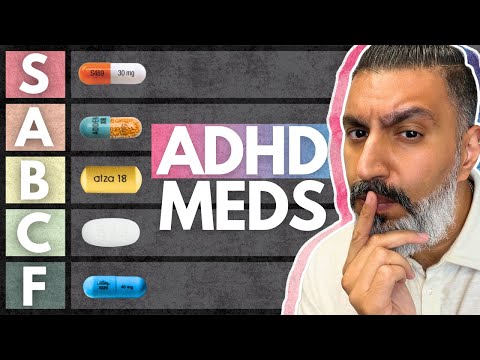
You know that feeling when your brain is running a mile a minute? Like, you’re trying to focus on one thing, but your mind is off chasing butterflies?
Well, that’s kind of what it’s like for people with ADHD. It can be tough. Seriously tough. And sometimes, the usual “just try harder” advice just doesn’t cut it.
That’s where medication comes into play. It might seem a bit daunting at first, but honestly, it’s about finding what works for you.
There are a bunch of options out there, and each one has its own vibe and effect. So let’s break it down together!
Unlocking Focus: The Most Effective ADHD Medications for Adults
When it comes to keeping your focus in check as an adult with ADHD, medication can play a big role. It’s not the only option out there, but for many, it can make a world of difference. So, let’s break down some of the most effective medications that folks commonly use.
Stimulants are usually the first line of treatment. They work by increasing dopamine and norepinephrine levels in your brain, which can help enhance concentration and reduce impulsivity. There are mainly two types:
- Methylphenidate: Think Ritalin or Concerta. These are pretty popular choices and can be great for short-term bursts of focus.
- Amphetamines: This category includes Adderall and Vyvanse. They tend to have a longer duration of effectiveness, which is helpful if you need to stay focused throughout the day.
Now, let’s chat about how these meds can feel. Some people report feeling more organized and less scattered when on stimulants. But hey, they’re not without their side effects—like insomnia or loss of appetite—so you should keep that in mind.
But what if stimulants aren’t your jam? Well, there are non-stimulant options too! These might take longer to work but can still help manage symptoms effectively.
- Atomoxetine (Strattera): This one targets norepinephrine specifically. It’s less likely to cause jitteriness compared to stimulants but might take a few weeks to kick in.
- Guanfacine (Intuniv) and Clonidine: Originally used for high blood pressure, these meds can help with impulsivity and hyperactivity by calming things down a bit. They don’t boost focus directly but might support overall management.
It’s important to remember that everyone reacts differently to medications—it’s kind of like finding the right pair of shoes; sometimes you’ve gotta try on a few before finding the perfect fit!
Honestly though, meds aren’t everything; therapy and lifestyle changes often work wonders alongside them. Things like exercise, a solid routine, and good sleep hygiene can seriously enhance how well meds work.
So if you’re considering medication for ADHD as an adult, don’t hesitate to chat with your healthcare provider about what options may suit you best. Getting the right help is key!
Top ADHD Medications for Adults Facing Anxiety: Find the Right Balance
When you’re juggling ADHD and anxiety, it can feel like a wild ride. You know, like trying to balance on a seesaw while your friends are just throwing rocks at you. And figuring out the right meds can be tricky, especially since some ADHD medications can stir up those anxious feelings. Let’s break it down.
First off, it’s important to understand that there are two main categories of ADHD medications: **stimulants** and **non-stimulants**.
Stimulant Medications
Stimulants are usually the first line of treatment for ADHD. They help increase dopamine and norepinephrine levels in your brain, which can improve focus and control impulses. But here’s the catch: they can occasionally ramp up anxiety.
- Methylphenidate (Ritalin, Concerta): This is a common choice. Some people find it helps with focus but might feel more jittery or anxious.
- Amphetamines (Adderall, Vyvanse): Another popular option. While many swear by its effectiveness for ADHD, it can also heighten anxiety in some folks.
So, if you’re starting with stimulant meds and feeling extra anxious? It might be time to chat with your doc about alternatives or adjusting the dose.
Non-Stimulant Medications
If stimulants aren’t doing you any favors or if anxiety is a big issue for you, non-stimulants could be worth considering. They tend to have a more subtle effect on focus and may not trigger anxiety like stimulants sometimes do.
- Atomoxetine (Strattera): This one isn’t a stimulant at all! It works on norepinephrine without boosting dopamine directly like stimulants do. For some people, this means less anxiety.
- Guanfacine (Intuniv) and Clonidine (Kapvay): These are originally blood pressure meds but also help manage ADHD symptoms by calming down hyperactivity and impulsiveness—while potentially easing anxiety.
Many adults dealing with both conditions have found relief here without the added stress of increased anxiety.
It’s really essential to keep in mind that everyone reacts differently to medication—what works for one person might not work for another. So don’t stress if things don’t click right away; finding that sweet spot may take time.
Also, consider therapy as part of your toolkit! Cognitive-behavioral therapy (CBT) might provide strategies to manage both ADHD symptoms and anxiety together. Sometimes medication alone isn’t enough; having that emotional support makes a huge difference.
Ultimately, keep open communications with your healthcare professional about what you’re experiencing—whether it’s side effects or progress—or just share how you’re feeling overall! It’s about being honest to find what fits best into your life without tipping that balance too far toward either side of the seesaw.
Finding the right balance between managing ADHD symptoms while keeping anxiety at bay can be quite the journey. But with patience and support from pros who get it—plus maybe some trial-and-error—you’ll get there!
Understanding ADHD Medications for Adults: Options, Benefits, and Considerations
Understanding ADHD medications for adults can feel a bit like wandering in a maze, right? But don’t stress; let’s break it down together. Attention Deficit Hyperactivity Disorder (ADHD) affects many adults, and finding the right medication can really help improve focus, organization, and overall quality of life.
Types of Medications
So, there are two main categories of ADHD medications: stimulants and non-stimulants.
- Stimulants: These are the most common type prescribed for ADHD. They work by increasing certain brain chemicals like dopamine and norepinephrine that help with attention and focus. Medications like Adderall, Ritalin, or Vyvanse fall into this category.
- Non-stimulants: If stimulants don’t suit you—maybe due to side effects or other health concerns—there are alternatives. Medications like Strattera or Intuniv can help manage symptoms differently by affecting blood flow in the brain instead of boosting dopamine levels.
Now, you might be wondering about their benefits.
The Benefits of Medication
Many adults find that medication significantly improves their daily lives. Some potential benefits include:
- Increased Focus: You might start noticing you’re able to concentrate on tasks without getting easily distracted.
- Better Organization: Tasks that once seemed overwhelming could become manageable because your mind feels clearer.
- Enhanced Relationships: You may feel more engaged in conversations, which could improve your personal and professional relationships.
- Smoother Routines:Your daily activities might flow better without constant interruptions from racing thoughts or impulsive actions.
But hey, with any medication comes some considerations.
Considerations Before Starting Medication
You’ll want to think about a few things before jumping into meds:
- Potential Side Effects: Like any medication, ADHA drugs come with possible side effects such as insomnia, loss of appetite, or anxiety. It’s crucial to keep an eye on how you’re feeling after starting.
- Your Unique Needs:You know yourself best! What works for one person may not work for another. Some people respond well to stimulants while others prefer non-stimulant options.
- A Holistic Approach:You might find that combining medication with therapy helps even more! Cognitive-behavioral therapy can teach coping skills that work alongside whatever meds you’re taking.
An Emotional Note
Let me share a quick story. I once knew someone who struggled with persistent forgetfulness at work—constantly missing deadlines and feeling overwhelmed by their responsibilities. After starting an ADHD medication prescribed by their doctor, they expressed feeling less chaotic inside their head. Suddenly being able to follow through on projects felt like a weight lifted off their shoulders! It didn’t fix everything overnight but made tackling daily tasks way less stressful.
Navigating ADHD medications is all about choosing what suits you best in consultation with your healthcare provider. It’s perfectly okay to ask questions or express concerns during this process! Remember: finding the right solution often takes time and patience—so hang in there!
So, let’s talk about ADHD medications. You know, if you or someone you care about has ADHD, it can feel like a bit of a rollercoaster sometimes. There are moments when focus seems impossible, and then there are bursts of hyperactivity that leave others scratching their heads. It’s a lot to navigate, honestly.
Now, when it comes to managing ADHD, medications can be part of the equation. They’re not magic pills that fix everything overnight. But they can help some people find a little more balance in their chaotic world. We’ve got two main types of meds: stimulants and non-stimulants.
Stimulants are the ones most often prescribed—think Ritalin or Adderall. They increase dopamine levels in the brain, which can help improve focus and decrease impulsivity. But here’s the thing: they don’t work for everyone and might come with side effects like insomnia or appetite loss. I remember a friend telling me how Adderall turned her chaotic mornings into something manageable. She actually said she could finally get her laundry done without getting distracted every five minutes!
On the flip side, we have non-stimulant options like Strattera. These tend to be milder and might be better for someone who hasn’t had luck with stimulants or who has anxiety on top of ADHD. Sure, it might take longer to kick in—like weeks instead of days—but for some people, it’s worth the wait.
But medication isn’t everything; it’s just one piece of a much bigger puzzle that includes therapy, coping strategies, and lifestyle choices too. For example, some folks find success through mindfulness practices or school accommodations that fit their unique needs better than meds alone ever could.
So if you’re considering ADHD medication for yourself or someone close to you? Just keep in mind that each journey is different—and finding what works can take time and patience. It’s all about trial and error till you hit that sweet spot where life feels a little smoother (and less chaotic). Being open with your doctor about what you’re experiencing is key too; they can really help tailor everything to what fits best for you.
In any case, whether it’s meds or other support systems like therapy or community resources—what matters most is making sure you have the tools to thrive in your daily life.