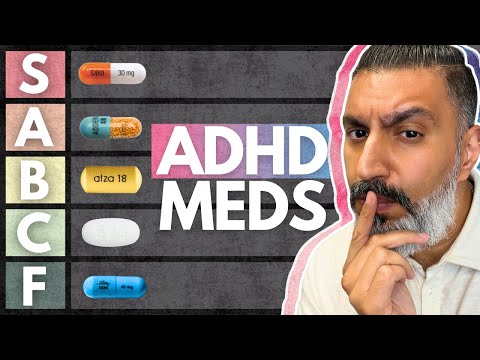
So, you’ve probably heard a lot about ADHD, right? It’s not just a kid thing. Seriously, adults deal with it too.
Finding the right balance can be tough. You might feel distracted, restless, or just like life is kinda chaotic.
And here’s where meds come into play. There are options out there that can really help you focus and chill out a bit. But it’s not just about taking pills; understanding how they fit into the bigger picture of your life is huge.
Let’s chat about ADHD medications for adults and what they can mean for your day-to-day experience. Sound good?
Exploring the Impact of Vyvanse on Adult Personality: What You Need to Know
Vyvanse, or lisdexamfetamine, is one of those medications often prescribed for adults with ADHD. You know, it’s designed to help you focus better and manage impulsivity. But what about its impact on personality? Let’s break it down.
First off, what does Vyvanse do? Basically, it works by boosting certain neurotransmitters in your brain, particularly dopamine and norepinephrine. This can help improve attention and reduce hyperactivity. But here’s the thing—these changes can also affect how a person feels and behaves.
When you take Vyvanse, some people notice shifts in their **mood** and how they interact with others. For example, someone who might typically feel overwhelmed by distractions might find themselves calmer and more engaged in conversations. But not everyone experiences this positively. Sometimes folks report feeling different in a way that doesn’t always sit well with them.
Here are a few key points to consider:
- Changes in Social Interactions: People might become more sociable as their focus improves, but they could also experience increased anxiety when faced with social situations.
- Mood Swings: While Vyvanse can create a more stable mood for some, others report feeling irritable or moody while on it.
- Your Personality Can Shine Through: Some individuals say that Vyvanse helps them be more *themselves*. It allows their genuine traits to come forward instead of being overshadowed by ADHD symptoms.
- Impact on Relationships: Improved attention can lead to better communication skills. However, if side effects like irritability kick in, relationships may suffer.
Now, let’s say you start taking Vyvanse and notice improvements at work or home—maybe you’re finishing tasks without losing focus. That sounds great! But if you begin to feel jittery or anxious instead of just alert, that could be challenging.
It’s essential to check in with your healthcare provider regularly while taking medications like this. They can help tweak dosages or suggest alternatives if something doesn’t feel right.
The thing is, everyone’s experience is unique. Personality traits don’t just change overnight because of medication; they’re influenced by various factors including therapy, environment, and personal history too.
So yeah, while Vyvanse may help clear the fog of ADHD for many adults out there—it’s crucial to stay aware of how it might affect you emotionally and socially as well! Always keep the conversation open with those around you about your feelings; communication is key here!
Exploring the Effects of Adderall: Does It Accelerate Aging?
Adderall, a medication used primarily for treating ADHD, has been a hot topic in mental health discussions lately. Many people wonder about its effects, especially when it comes to aging. So, does using Adderall accelerate aging? Let’s break this down.
First off, Adderall is a mix of amphetamine salts. It works by increasing the levels of certain neurotransmitters in your brain—dopamine and norepinephrine. These chemicals help improve focus and attention, which is super important for those with ADHD.
Now, when we talk about aging, it isn’t just about adding years to your life; it’s also about how your body and mind function over time. There hasn’t been a boatload of research directly linking Adderall use to accelerated aging in adults. Still, some studies hint that chronic stimulant use might impact the brain’s structure or function as we grow older.
Here are some key points to consider:
Now, let’s talk real-life stuff here. I remember chatting with a friend who had been on Adderall for years. She felt sharper and more focused most days but started noticing that she was more anxious than when she first began taking it. This ongoing stress could have downstream effects—as if she was putting extra wear and tear on her emotional engines.
But here’s where it gets a bit murky: So many factors are at play when it comes to aging—genetics, lifestyle choices, diet—you name it! For some folks on Adderall who manage their medication carefully under doctor supervision, the benefits may outweigh the risks.
In short, while there isn’t concrete evidence screaming that Adderall speeds up aging in everyone who takes it, being mindful of how you use this medication is crucial. Regular check-ins with your doctor can help navigate any concerns you might have about long-term use and its possible effects on your overall health as you age.
Ultimately, if you’re considering or currently using Adderall, stay aware of how you’re feeling both physically and emotionally—keep an eye out for changes! Just remember: managing ADHD effectively is important too; striking that balance is what really matters in the long haul.
The Best ADHD Medications for Adults: Effectiveness, Options, and Insights
When it comes to ADHD medications for adults, it can feel like navigating a maze. You want something effective but also safe, right? So let’s break it down together.
Stimulants are usually the first line of treatment. They’re most commonly prescribed and tend to work best for many people. These include:
- Methylphenidate: Known by brand names like Ritalin and Concerta, it helps increase attention and focus.
- Amphetamine-based medications: These include Adderall and Vyvanse. They can really boost concentration but might come with some side effects.
You know, a friend of mine, Sara, was diagnosed with ADHD in her mid-30s. She used to struggle with procrastination and easily losing her train of thought during meetings. After trying out a methylphenidate, she noticed a significant difference—she could finally finish projects on time!
Non-stimulant medications are also an option if stimulants don’t vibe well with your body or if you have certain health concerns. They might take a bit longer to kick in but can be just as helpful. Examples include:
- Atomoxetine (Strattera): It targets norepinephrine instead of dopamine or serotonin.
- Guanfacine (Intuniv): Often used for its calming effects, which can help manage impulsivity.
So, what’s the scoop on how effective these meds really are? Well, studies show that about 70-80% of adults with ADHD see improvement with stimulant medications. But that doesn’t mean they’re perfect for everyone! Side effects can range from insomnia to increased heart rate. It’s all about finding the right balance.
Another important thing to keep in mind is individual differences. Everyone’s brain is wired differently, seriously! Some folks might respond well to one medication while others find it makes things worse. That’s why working closely with a healthcare provider is super important—they can help you fine-tune your treatment.
Also, don’t forget about therapy. It often goes hand-in-hand with medication for a more holistic approach. Cognitive-behavioral therapy (CBT) is popular; it helps you develop coping strategies and skills to manage symptoms effectively.
Ultimately, understanding your options when it comes to ADHD medications can empower you in managing your condition better. Just remember—communication with your doctor is key! Be open about what’s working and what isn’t; this way, you’ll get the support you need on this journey.
So, ADHD—it’s not just something kids deal with. Adults can have it too, and believe me, it can really shake things up in your life. You might find yourself struggling with focus at work, feeling overwhelmed by everyday tasks, or just bouncing from one incomplete project to another. Yeah, I get it. It can be a lot.
When we talk about ADHD medications for adults, it’s important to see the bigger picture. These meds can help dial down the chaos a bit and help you concentrate better. Like, think about it: imagine going through your day without that constant feeling of distraction! Hey, sounds nice, right? But medication isn’t some magic cure-all; it’s more like a tool in your toolbox.
You know someone named Sam? He was always juggling way too much. Meetings at work felt like a blur and he’d often forget appointments or lose track of deadlines. When Sam finally went to see a doctor about his ADHD as an adult, he was hesitant about meds at first. But after some back-and-forth and figuring out what worked best for him—he found the right medication that really helped him feel more centered.
But here’s the kicker: medication is often just one part of the whole picture. You can’t forget about therapy or lifestyle changes. Therapy gives you strategies to cope with those ADHD traits while meds can help lower that mental noise that makes it tough to focus on learning or practicing those strategies. And let’s be real—it can be super overwhelming just navigating these options.
And when you’re considering ADHD meds as an adult, knowing how they work is key. Stimulants like Adderall or Ritalin are pretty common and they basically boost certain brain chemicals that may help with focus and impulse control. But hey, everyone’s different! What works wonders for one person might not hit the mark for someone else.
If you’re thinking of going down this path, be upfront with your doctor about how you’re feeling—and don’t be shy if something doesn’t sit well with you! Because finding the right balance takes time and patience; it’s definitely a journey worth taking if it means reclaiming your focus.
In short: ADHD medications for adults can offer relief but they’re most effective when combined with other supportive measures—like therapy—so you’re addressing both symptoms and underlying issues together. The goal is to find what helps you thrive—not just survive! And that can make all the difference in turning daily chaos into manageable moments where you actually get stuff done!