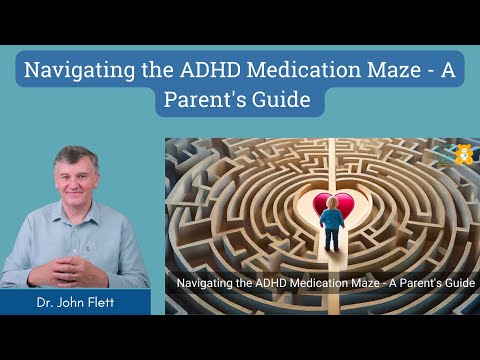
Hey! So, let’s talk about ADHD medications. It can feel kinda overwhelming, right? There are so many options out there, and honestly, it’s hard to figure out what’s best for you or someone you care about.
I mean, sometimes it feels like you’re wandering through a maze trying to find the right path. You’ve got stimulants, non-stimulants, and a whole bunch of side effects to think about. Ugh!
But don’t sweat it. We’re gonna break it down together. This isn’t about just popping pills; it’s about finding what helps you thrive. So grab a snack—let’s get into this!
Top ADHD Medications for Adults Managing Anxiety: A Comprehensive Guide
So, let’s talk about ADHD medications, especially for adults who are also dealing with anxiety. Hey, juggling both can be intense, right? You’re not alone in this. Many people face the challenge of managing ADHD symptoms while also navigating anxiety. The good news is there are options out there that can help.
First off, it’s essential to understand what ADHD meds usually do. They help improve focus and control impulsivity. But for adults with anxiety mixed in, some of these medications can feel a little tricky.
Stimulants are the most commonly prescribed for ADHD. They work by increasing dopamine levels in your brain, which helps with attention and concentration. However, if you’re already feeling anxious or jittery, these might not be the best fit for you. They can sometimes ramp up feelings of anxiety because of how they stimulate your nervous system.
Some popular stimulant options include:
But if stimulants aren’t playing nice with your anxiety—like how my friend Anna felt when she tried Adderall—there are non-stimulant options too. She found her heart racing and her mind spinning whenever she took it.
That’s where Strattera comes into play. It’s a non-stimulant medication specifically used to treat ADHD. Unlike stimulants, it doesn’t have the same potential to increase anxiety levels. It works by affecting norepinephrine in your brain rather than dopamine; this makes it a better choice if you’re already anxious.
Another interesting player here is Wellbutrin, or bupropion as it’s known in pharmacies—it was initially an antidepressant but is often considered for ADHD as well due to its ability to boost focus without triggering anxiety like stimulants might do.
Now let’s talk about some things you should consider when chatting with your doctor:
It’s super important to have an open conversation about how these meds might interact with any existing feelings of anxiety—you don’t want to worsen those feelings while trying to manage ADHD!
The thing is, finding the right balance takes time and patience. With all these options available, there’s a strong chance you’ll find something that works for you or at least helps ease those tough days.
In short, whether you’re leaning towards stimulants like Adderall or opting for something like Strattera or Wellbutrin, it all really comes down to personal circumstances and what feels-right-for-you-in-the-moment—so keep communicating with your healthcare provider!
Top ADHD Medications for Adults: Discover the Most Effective Options
ADHD, or Attention-Deficit/Hyperactivity Disorder, can really affect how you function day to day. If you’re an adult dealing with it, medication might be a part of your treatment plan. So, let’s break down some of the most common medications out there.
Stimulants are the go-to for many adults with ADHD. These meds basically boost certain chemicals in your brain that help with focus and concentration. There are two main types:
- Methylphenidate: This is found in medications like Ritalin and Concerta. It usually kicks in pretty quickly and can help keep you focused.
- Amphetamines: Think Adderall and Vyvanse here. These work similarly but can have different effects on how energized or calm you feel.
Some people experience great results with stimulants, while others might not mesh well with them due to side effects like anxiety or sleep problems.
Now, if stimulants aren’t your thing or cause too many issues, there are non-stimulant options. They can be helpful for folks who either can’t take stimulants for health reasons or find them ineffective.
- Atomoxetine (Strattera): This is a non-stimulant that’s often prescribed. It works on norepinephrine (a neurotransmitter) and takes longer to kick in—sometimes several weeks—but it can still be effective.
- Guanfacine (Intuniv): Initially used for high blood pressure, this one’s also shown benefits for ADHD. It may help with impulsivity and hyperactivity.
It’s really about finding what works best for you. A friend of mine struggled with ADHD at work. He started on an amphetamine-based med but felt jittery all the time. After chatting with his doctor, he switched to Strattera and finally felt more relaxed while also being able to concentrate.
Remember that everyone reacts differently to these meds, so it might take some time to find the right fit, sometimes requiring adjustments along the way.
Also, keep in mind that medication isn’t a magic solution. Therapy and lifestyle changes play crucial roles as well! You know? Exercise, good nutrition, and even mindfulness practices can make a significant difference when combined with medication.
If you’re considering medication—or if you’ve already started—staying open about how you’re feeling with your healthcare provider is key! Communication helps ensure that you’re getting the best care possible tailored just for you.
Top ADHD Medications for Adult Women: A Comprehensive Guide to Finding the Right Treatment
Finding the right ADHD medication can feel like searching for a needle in a haystack, especially for adult women. It’s uniquely challenging because women often experience ADHD differently than men. They might deal with issues like hormonal changes, which can affect symptoms and how medications work.
When it comes to medications, there are basically two types: stimulants and non-stimulants. Each has its pros and cons, so let’s break them down.
Stimulant Medications
These are pretty much the go-to for treating ADHD. About 70-80% of people find success with them. Common options include:
- Adderall: This combo of amphetamine salts is effective but can come with side effects like insomnia or anxiety.
- Ritalin: It’s known for its rapid action but might not stick around as long as others.
- Vyvanse: This one’s designed to have a smoother onset and less potential for abuse.
But here’s the thing: stimulants can sometimes heighten anxiety or other emotional symptoms, especially in women who might already be juggling stress from work or home life. If you notice that happening, it’s important to chat with your doctor about it.
Non-Stimulant Medications
For those who either don’t respond well to stimulants or prefer something different, there’s also non-stimulant medication:
- Strattera: This one works by affecting norepinephrine levels in the brain. It may take longer to kick in but is often better tolerated regarding anxiety.
- Intuniv: Originally used for high blood pressure, this med can help with attention issues too and is gentler on the system.
Some women find non-stimulants give them a steadier focus without the rollercoaster effects of stimulants.
Now let’s focus on some important stuff to consider with all these meds:
Your Hormones Matter
Women’s hormonal cycles can influence how ADHD symptoms show up and how meds work. For instance, some may find their medication feels less effective during menstruation due to hormonal fluctuations. If that happens, keeping track of your cycle could help adjust dosages or medication types more effectively.
The Importance of Communication
When you’re figuring out what works best for you, it’s crucial to stay honest with your healthcare provider about what you’re feeling—both good and bad. Perhaps you’re experiencing side effects or not feeling quite right after starting a new med? Your doc needs that feedback to help navigate adjustments.
Dosing Considerations
Dosage isn’t one-size-fits-all; what works great for someone else might not cut it for you. Starting low and increasing gradually helps find the sweet spot where you’re productive without feeling jittery or overly anxious.
The journey doesn’t have to be solitary either. Support groups—either online or in person—can be super helpful in sharing experiences and tips on managing life with ADHD as an adult woman.
Finding what works can take time, so be patient with yourself through this process—it doesn’t need to feel overwhelming! You’ve got options; just hang tight while you sort through them all!
You know, when it comes to ADHD, it can feel like you’re standing in front of a crazy vending machine. You’ve got a ton of options, and it’s hard to know what might work best for you or your kiddo. I remember chatting with a friend who was navigating this whole thing for her son. She was overwhelmed just trying to figure out what each medication did and how they’d impact his day-to-day life.
Basically, ADHD meds fall into two categories: stimulants and non-stimulants. Stimulants are usually the first go-to, like Adderall or Ritalin. They’re effective for many people because they help boost those brain chemicals that make focus happen—dopamine and norepinephrine. But not everyone vibes with them; some folks see side effects like insomnia or appetite loss and, so yeah, that can be tough.
Then there are non-stimulant options, like Strattera or Intuniv, which might be better for someone who doesn’t respond well to stimulants or has other concerns like anxiety. I mean, could you imagine trying to juggle anxiety on top of everything? It’s a lot! Non-stimulants usually work a bit slower but can still help with focus and impulse control without those pesky side effects.
And while medications can be super helpful—like giving someone the boost they need—it’s not just about popping pills. Therapy plays a huge role too! Cognitive Behavioral Therapy (CBT) can help people develop skills to manage symptoms better. My friend found a therapist who specialized in ADHD coaching—what a game changer! Her son learned how to break tasks down into smaller steps so he didn’t feel completely lost.
But hey, figuring out what works involves some trial and error—and that’s totally okay! It might take time before finding the right balance between meds and therapy that clicks for you or your kiddo.
Just remember: every person is unique. What helps one may not work for another; it’s all about finding your groove! And along this journey, keeping an open dialogue with doctors can really make all the difference too. So if you’re navigating these choices right now, hang in there! You’re not alone in this maze of options; eventually, you’ll find the best way forward together.