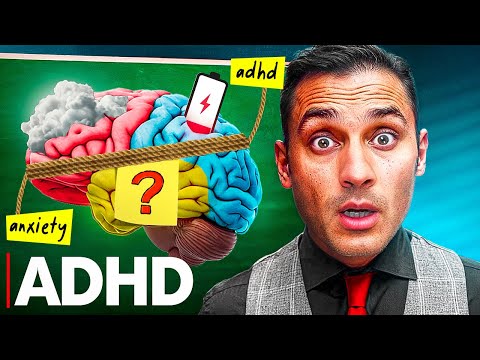
Hey! So, let’s chat about something a lot of folks deal with—ADHD and panic attacks. Seriously, these things can throw your life into chaos, can’t they?
One minute you’re zooming through tasks like a pro and then bam! Panic hits outta nowhere. It’s like riding a roller coaster you never signed up for.
But don’t worry! There are ways to manage this wild ride. You know? I mean, it’s all about finding the strategies that click for you.
So, stick around! We’ll figure this out together and find some relief from all that craziness.
Effective Strategies for Managing ADHD Panic Attacks: A Comprehensive Guide
Managing ADHD and panic attacks can feel like a wild ride, right? You think you’ve got one under control, and then bam! Here comes the other one to throw you off balance. But don’t worry; there are some effective strategies out there that can really help manage these overwhelming moments.
First things first, let’s talk about understanding what’s happening when those panic attacks hit. Basically, panic attacks are sudden surges of overwhelming fear that come out of nowhere. They can leave you feeling dizzy, short of breath, or like you’re losing control. When you have ADHD on top of that, it can intensify everything because your brain is already juggling a million thoughts at once.
So how do you deal with this combo? Here are some strategies:
1. Deep Breathing: Seriously, breathing sounds simple but it’s super effective. Try to breathe in slowly through your nose for a count of four, hold for four counts, then breathe out through your mouth for six counts. This helps calm your nervous system down and get your mind back on track.
2. Grounding Techniques: When panic sets in, grounding techniques can be lifesavers. Look around you and name five things you can see, four things you can touch, three things you can hear, two things you can smell and one thing you can taste. It brings your focus to the present moment.
3. Routine & Structure: One key struggle with ADHD is maintaining attention and organization. Establishing a structured daily routine may help manage both ADHD symptoms and anxiety levels since predictability reduces uncertainty.
4. Mindfulness Practices: Mindfulness and meditation might sound all zen-like but they’re not just for yogis! Even a few minutes each day focusing on the present moment—like noticing how your feet feel on the ground—can lower stress levels.
5. Physical Exercise: Yes, moving around is important! Engaging in regular physical activity helps release endorphins which boost mood and reduces stress – seriously giving both ADHD symptoms and anxiety the boot.
6. Talk it Out: Connecting with someone who gets it—friends or a therapist—can really help! Having those conversations about what you’re experiencing makes it feel less lonely and more manageable.
Now let’s not forget about medication options if things start feeling too tough to handle alone; sometimes medication can be part of the equation too! Lots of people with ADHD find that certain medications help keep their symptoms in check while also easing anxiety levels—but this should always be discussed with a healthcare provider who knows your unique situation.
And here’s a little story for perspective: I had a friend named Jamie who struggled with both ADHD and severe panic attacks during their college years. They often found themselves overwhelmed in crowded places or even during exams when pressure was high—yikes! Jamie started practicing deep breathing before tests and made sure to follow routines strictly during finals week, which helped tons—it was like they finally found their grounding rope!
So remember: managing these feelings takes time and experimentation; not every strategy works for everyone but trying different options may lead to finding something that actually clicks for you! And hey—don’t be too hard on yourself; dealing with these challenges is no small feat!
Effective ADHD Strategies for Adults: Downloadable PDF Guide
Managing ADHD as an adult can be a real challenge. Seriously, it can feel like you’re juggling flaming torches while riding a unicycle. But with the right strategies, you can make it work much better for you.
First off, let’s talk about understanding ADHD. It’s not just about being easily distracted or hyperactive. It can also lead to organizational issues, emotional ups and downs, and even panic attacks. You know how sometimes everything feels too much? That’s where effective strategies come into play.
One solid approach is to use a structured routine. A predictable schedule can be super helpful. Setting specific times for work, meals, and relaxation helps keep your day in check. You might want to use planners or apps to stay on top of things. Visual reminders can help too; sticky notes around the house or on your phone? Total game-changer.
Another thing to consider is break tasks into smaller chunks. Big projects can feel overwhelming. You might find it easier to handle if you break them down into bite-sized steps. Focus on one small task at a time instead of the huge mountain ahead of you. Ever tried making a list where each task feels doable? It works wonders!
And let’s not forget about mindfulness techniques. Practicing mindfulness through meditation or breathing exercises can help calm that racing mind during panic moments. Just take a minute to breathe deeply, in and out—simple but effective! You might even notice less anxiety once you get into this habit.
Getting exercise regularly is another biggie; it releases those feel-good chemicals that boost your mood and focus. Go for a walk, join a class, or just dance around the living room! Whatever gets you moving is great as long as it fits into your lifestyle.
Also important are support networks. Chatting with friends or joining support groups allows for sharing experiences and tips with others who understand what you’re going through. Sometimes just knowing you’re not alone makes all the difference in dealing with ADHD and panic attacks.
Finally, don’t shy away from seeking professional help if needed! Therapists are there for more than just talking things out; they can provide valuable coping strategies tailored specifically for you.
Incorporating these strategies into your life may take some time but hang in there; progress takes patience! Remember that everyone is different, so finding what works best for you is key here.
So basically? You’ve got options! Use those resources like downloadable guides if they help keep things organized and manageable—and don’t hesitate to reach out when it feels too much! You’re not alone in this journey.
Effective Strategies to Calm ADHD Symptoms in Adults: Finding Peace and Focus
Managing ADHD as an adult can be quite the juggling act, especially when panic attacks throw a wrench into your plans. It’s like trying to concentrate while a movie’s playing in the background, and every now and then, someone screams. You feel me? So let’s talk about some effective strategies to help you find that peace and focus.
1. Establish a Routine
Creating a consistent daily schedule can work wonders. Like, when you know what comes next, it calms that busy brain of yours. You might start your day with a morning ritual—maybe a cup of coffee while journaling or stretching for ten minutes. Whatever it is, keeping it regular helps set your mind at ease.
2. Break Tasks into Smaller Chunks
Big projects can be overwhelming, right? They can feel like standing at the bottom of a mountain. Instead,
Set small goals and celebrate those little wins! For example, if you need to clean the house, aim to do one room at a time instead of tackling everything all at once.
3. Use Visual Aids
Sometimes words can get lost in translation inside our heads. That’s where visual aids come in handy! Try using
Seeing your tasks laid out visually can help you track them better and remember what needs doing without feeling overwhelmed.
4. Practice Mindfulness Techniques
Mindfulness is like giving your brain a mini-vacation! Even just taking five minutes to focus on your breath or noticing what’s around you helps ground you in the moment. If panic starts creeping up on you, try
5. Incorporate Physical Activity
Moving your body can shake off that restless energy ADHD sometimes brings along. Whether it’s hitting the gym or simply going for a walk around the block—exercise releases endorphins that boost your mood and ease anxiety.
6. Limit Distractions
In our tech-filled lives, distractions are everywhere! Create an environment that promotes focus by silencing unnecessary notifications on your phone or working in a quiet space where interruptions are minimal.
But let’s get real here: these strategies aren’t one-size-fits-all; they might require some trial and error until you find what clicks for you.
Something I’ve seen in friends struggling with ADHD is how effective simple changes can make an enormous difference—like when my buddy started using timers to keep himself on track with tasks instead of drifting off into daydreams every five minutes.
So remember: managing ADHD symptoms as an adult takes patience and creativity—you’re not alone in this journey! By implementing some of these strategies consistently over time, you’ll likely find it easier to calm those racing thoughts and panic moments when they arise.
So, let’s chat about something that a lot of people deal with but doesn’t always get enough attention—managing ADHD and panic attacks. Both can feel like your brain is a chaotic whirlwind, right? I mean, you might be juggling all these thoughts one minute and then suddenly, it’s like someone flipped a switch and you’re hit with that overwhelming panic. It’s rough.
I remember a friend who had ADHD. He used to tell me how his mind would race on its own, thoughts bouncing around like pinballs. One day he was working on an important project, super focused for a few minutes, and then BAM! He’d get this tight feeling in his chest or start sweating for no reason at all. Those panic attacks came out of nowhere, making everything feel impossible.
So what do you do when you’re caught in that storm? First off, grounding techniques can be lifesavers. Stuff like deep breathing—take a moment to inhale deeply through your nose and exhale slowly through your mouth. Like really slow! You’d be surprised how much that helps clear the fog. I’ve seen my friend use this trick; it takes him from feeling overwhelmed to just… calmer.
Another strategy is creating routines. For someone with ADHD, predictability can be really comforting. Set aside specific times for tasks or breaks, you know? It creates structure in the chaos and makes it easier to tackle things without spiraling into panic.
And let’s not forget about talking it out. Seriously! Sharing what you’re experiencing with trusted friends or a therapist can lighten that heavy load on your shoulders—just voicing those feelings makes them less daunting somehow.
Medication can also play a role if it fits your situation; there are options out there if that’s something you’re considering together with a healthcare provider.
Ultimately, when you’re managing both ADHD and panic attacks, give yourself grace—you’re navigating some tricky waters! Finding what works may take time as everybody’s different—but hey, every little bit helps in finding relief from those symptoms!