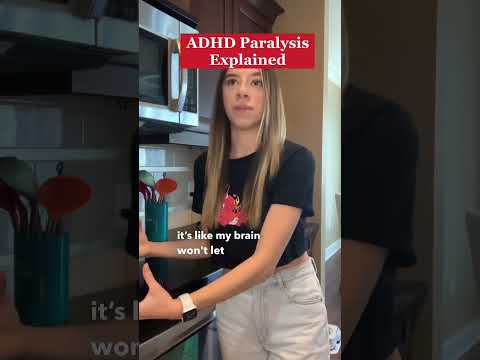
You know, ADHD can be a real rollercoaster for adults. It’s not just about struggling to focus during meetings or forgetting where you left your keys—though, let’s be honest, that stuff is super annoying. It can go deeper than that.
Sometimes, you hit this wall, and everything feels like a massive climb. Ever feel frozen when you have a million things to do? That’s what some folks call “ADHD paralysis.” It’s like your brain suddenly decides to take a nap while the rest of your life is blasting music at full volume.
It can really mess with your day-to-day and how you feel about yourself. You might feel lazy or even guilty—like you’re just not trying hard enough. But it’s important to realize you’re not alone in this struggle. Seriously, so many people get it.
Understanding ADHD Shutdown: Signs, Symptoms, and Coping Strategies
ADHD shutdown can feel like a heavy fog settling in, making it almost impossible to get things done. So, what’s going on when you hit that wall? It’s often referred to as “ADHD paralysis.” Basically, it’s when your brain just kind of… stops. You might know the struggle; you’ve got a ton of tasks ahead of you, yet instead of tackling them, you find yourself scrolling through social media or staring blankly at the wall.
When we talk about *signs and symptoms*, it’s not just about being disorganized or forgetful. Here are some that really stand out:
- Overwhelm: You look at your to-do list and feel paralyzed by how much there is to do.
- Procrastination: Tasks get pushed aside indefinitely because starting feels too daunting.
- Avoidance: You may avoid certain activities or responsibilities altogether.
- Emotional Exhaustion: Feeling drained emotionally can make it hard to muster the energy for even simple tasks.
It can be pretty frustrating; I mean, seriously! You might have all the intentions in the world to finish something, but your mind just gets stuck. This isn’t laziness; it’s really more about how ADHD can mess with your executive functioning—the part of your brain that helps plan and execute tasks.
If you’re finding yourself in this situation often, there are ways you can cope with these shutdowns. Here are some strategies that might help:
- Break Tasks Down: Instead of looking at a big project as one whole thing, break it into tiny parts. Completing one small step can give you momentum.
- Create a Routine: Establishing a daily routine can help create structure and reduce feelings of overwhelm.
- Pace Yourself: It’s okay to take breaks frequently. Short bursts of focus followed by rest can keep your energy levels up.
- Ditch Perfectionism: Let go of the need for everything to be perfect. Doing something is better than doing nothing!
Also, don’t underestimate the power of talking with someone about what you’re going through—be it friends or a professional. Sometimes just sharing how you’re feeling makes things feel lighter.
A personal story: I had a good friend who constantly seemed caught in this cycle. He’d notice he was on Twitter for hours instead of studying for an exam. After chatting about it with him, we figured out that breaking his study time into smaller chunks really worked wonders. Just understanding what was happening made him feel less isolated in his experience.
So yeah, remember it’s totally okay if you hit those walls sometimes—it doesn’t define who you are or what you’re capable of achieving! Understanding ADHD shutdown is all about recognizing those moments for what they are and finding ways to navigate through them without beating yourself up too much.
5 Effective Strategies to Overcome ADHD Paralysis and Boost Productivity
It’s not uncommon for folks with ADHD to feel, like, completely overwhelmed sometimes. Seriously, that “ADHD paralysis” can hit hard. You know the feeling: you have a million things to do but can’t seem to get started on any of them. It’s frustrating! So, let’s talk about some effective strategies that can help you break free from that paralysis and boost your productivity.
1. Break Tasks into Smaller Steps
This one’s a game changer. When a task feels too big, it can trigger that sense of being stuck. To make it less daunting, try breaking it down into smaller, manageable steps. For example, if you need to write a report, focus on just creating an outline first. Once that’s done, move on to writing an introduction. Little by little, you’ll see progress without feeling overwhelmed.
2. Use Timers to Structure Your Work Time
Timers are like magic bullets for productivity! Set a timer for 15 or 25 minutes and commit to working on something during that time. When the timer goes off, you take a short break—like 5 minutes—to recharge before diving back in. This method—often called the Pomodoro Technique—keeps your focus sharp and makes those tasks feel more manageable.
3. Create a Distraction-Free Zone
Minimizing distractions is key when you’re trying to tackle tasks. Find a comfy spot where noise and other interruptions are at bay—maybe it’s your favorite coffee shop or just a quiet room in your house. Put your phone on silent or use apps that block distracting sites while you work; you’ll be amazed at how much more you get done!
4. Prioritize Your To-Do List
Making lists can be pretty helpful for keeping track of tasks but keep an eye on how you’re prioritizing them! Pick just a few things each day that really need your attention and focus on those first. It doesn’t have to be everything! Sometimes even crossing off one or two small tasks can give you that little boost in motivation.
5. Practice Mindfulness
This may sound a bit out there but hear me out: mindfulness can seriously help with ADHD paralysis! When you’re feeling overwhelmed or stuck in your head, taking a few moments to breathe deeply and focus on the present can clear away the mental fog that’s keeping you from acting. You could try some simple meditation apps or even just sit quietly for ten minutes.
Now picture this: A friend of mine was really struggling with her ADHD symptoms—it felt like she was always fighting against herself just to get started on basic things at home or work. After trying out some of these strategies—especially breaking her tasks into smaller chunks and using timers—she found herself getting through her list with way less stress! It wasn’t overnight magic or anything; it took practice and patience, but she felt way more in control.
So yeah, overcoming ADHD paralysis isn’t impossible; it just takes some strategic moves and self-compassion along the way!
Understanding ADHD Burnout: Duration, Symptoms, and Recovery Tips
ADHD burnout is a real thing, and it can hit hard. If you’re living with ADHD, you might find that your energy and motivation ebb and flow in ways that can feel confusing or even overwhelming. So, let’s break this down to get a better grip on what it is, how long it lasts, the symptoms to look out for, and some recovery tips.
First off, what exactly is ADHD burnout? It’s that situation where you’re feeling mentally drained and just totally out of gas. You know those days when even getting out of bed seems like climbing a mountain? Yeah, that’s part of it. People with ADHD often experience intense periods of productivity followed by these slumps that leave them feeling completely wrecked.
Now, how long does this burnout last? Honestly, it varies from person to person. It could be a few days or drag on for weeks. In some cases, the effects might linger longer if you don’t address what’s going on. The thing is: these burnouts can often stack up over time. So if you’re not careful, they can start impacting your daily life more seriously.
So what are the symptoms? Here are some big ones:
Maybe you’ve felt one or more of these at some point? It’s definitely not fun.
Now let’s talk about recovery tips. Getting back on track after an ADHD burnout isn’t always easy but here are some ways to help yourself recover:
Remember when my friend Sarah hit her wall? She was juggling work deadlines with home responsibilities and one day just crashed. For weeks she felt stuck in this loop of anxiety and frustration until she decided enough was enough. Slowly but surely she started setting smaller goals each day—and guess what? Things began to lighten up!
So yeah, understanding ADHD burnout is all about recognizing the signs and being kind to yourself as you recover from it. Everyone has their own path through this; it’s okay if yours looks different from someone else’s!
So, let’s talk about ADHD paralysis. You know, if you’ve got ADHD or you know someone who does, there’s this thing that happens sometimes—like, out of nowhere, you just can’t get yourself to do anything. It’s not laziness or lack of motivation. It feels more like being stuck in quicksand. You might feel overwhelmed by tasks and just freeze. It’s pretty surreal.
I remember chatting with a friend one time. She’s super capable, but there were moments when even small things felt like climbing a mountain for her. There was this one day when she sat down at her desk to tackle some work stuff but ended up scrolling through social media for hours instead. She said it felt like she was watching someone else in control of her body while she sat there helplessly. That kind of stuff can be so disheartening.
In adult life, it can really mess with your rhythm. Got a job? Well, ADHD paralysis could mean missing deadlines or struggling with projects because your brain is just not cooperating that day. Social relationships? They can take a hit too when friends or family don’t understand why sometimes you ghost them or forget plans—it ain’t personal; it’s just that brain hiccup.
Honestly, it can feel isolating at times. You want to engage and participate but instead end up feeling like an outsider looking in on your own life. The impact on well-being is real—anxiety creeps in when tasks pile up and the pressure of adulthood closes in like a vice.
But the thing is, there are ways to navigate this struggle! Finding supportive environments and people who get what you’re dealing with makes all the difference—support groups or therapy could help too; they offer tools to cope and strategies for dealing with those paralyzed moments.
Just remember: having ADHD doesn’t define you. It can be tough navigating through adult life with its hurdles and challenges, but finding that support network might just lighten the load a bit!