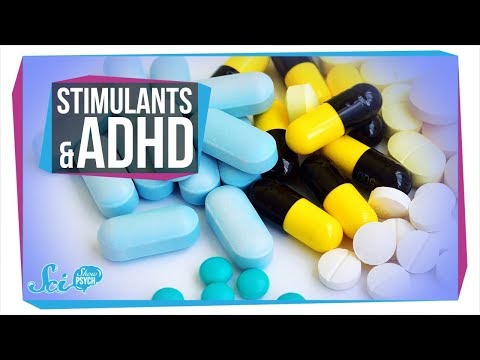
So, here’s the deal about ADHD. It’s not just about being hyper or having a short attention span. It’s way more complex than that. Seriously, it can really impact how you handle life, work, and relationships.
Now, stimulant medication is one of the big players in managing ADHD symptoms. Some people think it’s like a magic pill. But is that really the case? Not quite! There’s a whole lot to unpack with this stuff.
If you’ve ever wondered how these meds work or if they could help you or someone you know, you’re in the right spot. Let’s chat about it!
Understanding the Effects of ADHD Medication: How It Impacts Individuals with ADHD
ADHD, or Attention-Deficit/Hyperactivity Disorder, can really shake up a person’s life. You know, it’s more than just having trouble focusing. It affects everything from relationships to school performance. But one of the most common ways to manage ADHD symptoms is through medication, especially stimulant medications like methylphenidate and amphetamines.
When you take these medications, they work by boosting certain chemicals in your brain—mainly dopamine and norepinephrine. These are super important for attention and impulse control. So, what does that mean for someone with ADHD? Well, it can mean a big difference in their day-to-day life.
First off, let’s chat about focus. Those who take ADHD meds often notice a significant improvement in their ability to concentrate on tasks. You might have heard about stories where a student goes from doodling in class to actually taking notes!
But it’s not just about studying better.
When you’re able to manage your time and stuff better, that can reduce stress like crazy. Seriously! One moment you’re overwhelmed by clutter everywhere; the next, you’re actually remembering where your keys are.
Then there’s the emotional side of things. Medication can help tone down those intense bursts of frustration or anger that sometimes come with ADHD. It’s like finding calm in a storm—suddenly reactions aren’t so explosive anymore.
Now don’t get me wrong; it isn’t all sunshine and rainbows. Some people experience side effects from these meds too. Common side effects include insomnia, decreased appetite, and even an increase in anxiety. Imagine trying to focus while your stomach is growling or you’re feeling more jittery than usual!
Finding the right dosage can be tricky as well—it often requires some trial and error and lots of patience between you and your healthcare provider. You want a balance where the benefits outweigh any side effects.
Another thing to think about: medication doesn’t work the same way for everyone. Some people might find that it helps them tremendously while others may not feel much change at all—and that’s totally okay! It just shows how unique each individual is.
So yeah, if you or someone close to you is considering medication for ADHD, it’s super important to have open conversations with healthcare providers about expectations and concerns. Understanding what these meds do can really help make informed choices.
In short: ADHD stimulant medications can profoundly impact focus, organization skills, emotional regulation—and yes, they come with their own set of challenges too! The key is finding what works best for each person because everyone’s journey with ADHD is different.
Understanding ADHD Medications for Adults: A Comprehensive Guide to Treatment Options
Alright, let’s talk about ADHD medications for adults. It can be a bit of a tangled web, but I’ll make it straightforward. You know how super busy days can lead to scattered thoughts? That’s often what it’s like for someone with ADHD. So, medications can really help in managing those symptoms.
ADHD and its Symptoms
First things first, ADHD—Attention-Deficit/Hyperactivity Disorder—is not just a childhood thing. Adults face it too. Symptoms include trouble focusing, forgetfulness, and sometimes impulsivity. Imagine trying to finish a project at work while your mind darts around like a squirrel on caffeine. Frustrating, right?
The Role of Medications
Now, here come the meds! They’re like tools in a toolbox designed to help manage ADHD symptoms effectively. There are primarily two types: stimulants and non-stimulants.
- Stimulants: These are usually the first line of treatment. They work by increasing dopamine levels in the brain—this is important because dopamine helps with focus and attention.
- Non-stimulants: Sometimes people can’t take stimulants due to side effects or other health issues. Non-stimulant options are available and can be effective too.
Stimulant Medications
Stimulants are pretty common for treating adult ADHD. Medications like Adderall, Ritalin, and Vyvanse fall into this category. They’re fast-acting; many people notice improvements in their concentration within hours.
But let’s get real here: they aren’t magic pills that fix everything overnight. Sometimes it takes time to find the right dose or even the right medication that works for you without nasty side effects like sleep problems or appetite loss.
Anecdote Alert!
I remember chatting with a friend who started taking Adderall after he got diagnosed with ADHD in his late twenties. He told me it felt surreal—like someone turned the volume down on all that mental noise! But then came the side effects that made him feel jittery at times, so they had to adjust his dosage until they found the sweet spot.
Non-Stimulant Options
If stimulants aren’t working out for you or if you’ve got pre-existing conditions (like anxiety), non-stimulant meds could be an option worth exploring:
- Strattera:This one targets norepinephrine instead of dopamine.
- Efficacy:This type of medication generally takes longer to kick in—like weeks instead of hours—but some folks tolerate it better.
But remember: if you choose these options, patience is key! The benefits don’t always pop up immediately.
The Importance of Therapy
Medication isn’t everything though! It often works best when combined with therapy or coaching focused on coping strategies and organizational skills.
You know? Just taking meds isn’t going to transform your life; you gotta put in some effort too! Finding an experienced therapist who understands how ADHD affects adults can make all the difference.
The Bottom Line
So there you have it—a simplification of what medications for adult ADHD look like. Stimulants tend to be popular because they work fast and effectively for most people, but there are alternatives out there if needed.
Ultimately, figuring out what works best is kind of a journey—it might take some trial-and-error before landing on the perfect solution that balances effectiveness with those pesky side effects.
Just remember—you’re not alone in this ride! Finding support groups or connecting with others who get what you’re going through can also lighten the load some days.
Comprehensive Guide to ADHD Stimulant Medications: Types, Uses, and Benefits
Attention Deficit Hyperactivity Disorder (ADHD) can be a real challenge, right? It’s not just about being a bit scatterbrained. For many, it’s like trying to focus while juggling flaming torches! Stimulant medications are one of the most common treatments, and they can make a big difference. Let’s break them down, shall we?
What Are Stimulant Medications?
Stimulants are medications designed to increase certain chemicals in the brain that help with attention and focus. They can help folks with ADHD by calming hyperactivity and improving concentration.
Types of Stimulant Medications
There are mainly two types of stimulant medications used for ADHD:
- Methylphenidate: This includes brands like Ritalin and Concerta. It works fairly quickly to improve focus.
- Amphetamines: These involve medications such as Adderall or Vyvanse. They might last longer than methylphenidate for some people.
Both types have their pros and cons, so it’s really about what works best for you.
How Do They Work?
These meds help increase dopamine and norepinephrine levels in the brain, which are pretty crucial for focus and impulse control. Imagine your brain like a highway; these meds expand the road so messages can zip through more efficiently.
Benefits of Stimulant Medications
Well, one major perk is improved attention span. You might notice thoughts aren’t racing around as much or that you can sit through a boring meeting without drifting off into daydream land! Plus, they often help control impulsivity—no more blurting out random stuff at the wrong time!
But hey, it’s worth mentioning that stimulant meds don’t work for everyone. Sometimes you need to try different ones to see which clicks with your system.
Potential Side Effects
Now let’s keep it real: there can be side effects too. Some people might experience:
- Anxiety: If you’re already feeling jittery, this could amp that up.
- Lack of appetite: Food may not seem appealing when you’re on these meds.
- Trouble sleeping: Some find it hard to wind down at night.
Of course, everybody is different—some feel great on these medications while others don’t vibe well with them at all.
The Importance of Monitoring
If you ever start using stimulant medication—or any medication really—it’s super important to check in regularly with your healthcare provider. They’ll want to monitor how you’re responding and whether any tweaks are needed.
A buddy of mine went on Adderall in college because he struggled with finishing papers on time. At first, it was all productive vibes—he was crushing assignments left and right! But then he started feeling really anxious during exams. His doc adjusted his dose, which made a world of difference.
In summary, stimulant medications can be game-changers for managing ADHD symptoms but they come with their own set of things to consider. They’re not magic pills but rather tools that can support better management when combined with therapy or other strategies.
Feel free to reach out if you’ve got more questions about ADHD or anything else on your mind!
ADHD stimulant medication is a pretty big deal for many folks dealing with attention deficit hyperactivity disorder. You know, it’s like that friend who always shows up to the party on time, ready to get things rolling. For some people with ADHD, these meds can be a game-changer. But there’s a lot more to it than just popping a pill.
I remember my buddy Alex, who struggled with ADHD all through school. He was super bright but found it tough to focus in class. His mind was always racing, jumping from one thought to another like a ping-pong ball on steroids. It wasn’t until he started taking stimulant medication that he felt like he could finally catch his breath—well, sort of. He described it as feeling like someone turned the volume down on all those distractions so he could actually hear himself think.
But here’s the thing: ADHD medication isn’t just about making you focus; it’s also about finding the right balance. You don’t want to feel like a robot or overly reliant on something external just to get through your day. It’s crucial for folks taking these meds—and their caregivers—to keep talking and listen closely to how they’re feeling because side effects can be real and sometimes tricky.
Stimulants work by boosting certain chemicals in the brain that help with attention and impulse control, which sounds great! But everyone’s brain is different, so what works wonders for one person might not do much for another—or even cause unwanted side effects.
And let’s not forget about mental health overall. Stimulant medication can improve focus and productivity but doesn’t necessarily address other issues that might come along with ADHD, like anxiety or depression. That’s why therapy often pairs well with these meds—it tackles the emotional stuff while the meds help you focus better on what’s important.
So yeah, while stimulant medication can definitely play an important role in managing ADHD symptoms, it’s not a magic fix-all. It’s just one piece of a bigger puzzle in mental health—one that requires careful navigation and ongoing support from professionals who truly understand this journey.