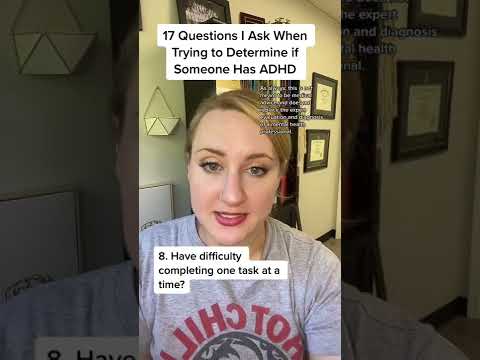
So, let’s chat about ADHD for a sec. You know, it’s that thing where you might feel like your brain is running a marathon while your body just kinda sits there. Seriously, it can be wild.
But here’s the thing—if you’re wondering if that’s what’s up with you (or someone you know), a symptom checklist can help clear things up. It’s not some formal test; it’s more like a casual self-check to see what might be going on.
If you’ve ever found yourself daydreaming in the middle of an important conversation or losing track of time while scrolling through your phone, you might relate. Life can get pretty chaotic, and understanding those symptoms? Well, that could be the first step towards feeling more in control.
Downloadable ADHD Questionnaire for Adults: Free PDF for Self-Assessment
So, you’ve heard about that downloadable ADHD questionnaire for adults, huh? It’s a free PDF that can help you check in on your ADHD symptoms. It’s pretty cool because self-assessment can give you a glimpse of what might be going on in your brain.
ADHD, or Attention-Deficit/Hyperactivity Disorder, is more than just being a bit scattered or having trouble focusing. It’s like your brain’s wiring doesn’t always connect the dots the way it should. You might feel restless, struggle to stay organized, or find it tough to finish tasks. And that can seriously impact your daily life.
Now, let’s talk about this questionnaire. Basically, it’s designed to help you reflect on how you’ve been functioning day-to-day. Here are some key things to know:
- Self-Assessment Tool: The questionnaire isn’t a diagnosis but serves as a great first step in understanding if ADHD might be part of your life.
- Symptom Checklist: You’ll likely find questions about attention span, hyperactivity, impulsivity, and how these may affect your work and relationships.
- Free Resource: The PDF is available at no cost and can be downloaded right to your device for easy access.
- Confidential: It’s just for you! No one else needs to see it unless you decide to share it with someone who can help.
When I was younger, I had a friend who struggled with focus in class. He often forgot his homework and couldn’t sit still during lectures. He felt overwhelmed by everything piled up in front of him but didn’t quite know why things felt so hard. He took an ADHD self-assessment and realized that he had symptoms aligning with ADHD; it opened up a path for him to seek support.
After completing the questionnaire, you might notice patterns emerge—like realizing that certain situations make things harder for you. This awareness is super valuable because when you understand yourself better, it’s easier to navigate challenges.
If the responses hint toward potential ADHD symptoms, reaching out to a mental health professional is the next step. They can offer deeper insights and guide you toward appropriate strategies or treatments if needed.
Remember though: not everyone who feels distracted or restless has ADHD! The factors affecting attention can vary widely from person to person—stress levels, mood disorders, sleep issues—you name it.
So if you’re curious about how you’re doing in this realm? Go ahead and check out that downloadable PDF! Just remember it’s only one piece of the puzzle when figuring out what’s going on upstairs.
Comprehensive ADHD Checklist for Children: Free PDF Download
When it comes to kids and ADHD, it’s all about figuring out if they might need some extra help. Understanding the symptoms can be quite the task, and that’s where a checklist can seriously come in handy. You know, having something tangible to look at makes things a lot simpler.
ADHD, or Attention-Deficit/Hyperactivity Disorder, usually shows up in two main ways: inattention and hyperactivity-impulsivity. So let’s break this down a bit.
Inattention symptoms include:
- Difficulty paying attention to details
- Easily distracted by extraneous stimuli
- Struggling to follow through on instructions or complete tasks
- Poor organization skills
- Avoiding tasks that require sustained mental effort
- Regularly losing things necessary for tasks and activities
Imagine a kid trying to do their homework but getting distracted by the sound of birds outside. They start off good but then just kinda drift off into space. It happens more often than you’d think!
Now, moving on to hyperactivity and impulsivity symptoms:
- Fidgeting or tapping hands/feet
- Difficulty remaining seated in situations where it’s expected
- Running or climbing in inappropriate situations
- Talking excessively or interrupting others during conversations
- Having trouble waiting their turn in games or group activities
It’s like when your buddy is super excited about something and just can’t keep quiet. That kind of energy is cute sometimes, but it can also make classroom settings really challenging.
Now about that checklist. You may find free downloadable PDFs online that can guide you through assessing symptoms at home. Just remember, though—it’s not a diagnosis! It’s more like a guide to see if you should reach out for professional help.
Make sure to check off items honestly and consider discussing them with your child’s doctor or a mental health professional. They will delve deeper and check other areas like emotional well-being too.
Lastly, working with schools can be really beneficial! Many schools have resources on ADHD support tailored specifically for children. Teachers often notice different behaviors that might go unnoticed at home.
In short, ADHD isn’t always easy to pin down because kids express it differently. Using this checklist helps sort through the noise (literally) so you can decide what’s next—whether that’s seeking advice from experts or simply tuning into your child’s needs better.
Understanding the Adult ADHD Self-Report Scale: How to Effectively Score and Interpret Your Results
The Adult ADHD Self-Report Scale, or ASRS, is pretty much a lifeline for many folks trying to understand if they might have ADHD. It’s designed to help you self-assess your symptoms across your life. You might feel like, “Wait, is that me?” Well, this tool can help clarify things a bit.
So, first off, the ASRS consists of two parts: Part A and Part B. Each part has a series of questions that reflect common symptoms of ADHD. You’ll be asked to rate how often you’ve experienced these symptoms in the last six months. It’s all about being honest with yourself—no judgment here!
Scoring it isn’t rocket science, but it can feel overwhelming at first glance. Here’s a rundown:
- Part A: This part includes six questions focused on key symptoms. You’ll rate each from 0 (never) to 3 (very often). The higher your score here, the more likely you are experiencing significant symptoms associated with adult ADHD.
- Part B: It dives deeper with additional questions exploring other related areas. It’s not included in the initial diagnosis but gives more context about how these symptoms affect your daily life.
After you’ve filled it out, add up your scores from Part A. If you score 14 or above out of a possible 18 points, it could indicate that you might have ADHD. But remember! Scoring high doesn’t mean you’re automatically diagnosed; it just shows some strong signs.
You know, I had a friend who took this quiz when he was feeling really lost in his work life. He consistently struggled to focus and felt overwhelmed by even simple tasks. After taking the ASRS and seeing his score, he realized he wasn’t just being lazy—there were real challenges at play!
Interpreting your results is where things get interesting—and sometimes tricky. If you’re scoring on the higher side, it’s important to follow up with a mental health professional who can give you more support and maybe even work out an official diagnosis if needed.
Keep in mind that everyone has days when they feel scatterbrained or disorganized—it’s part of being human! But if those feelings interfere with your daily life or relationships significantly? That’s where the ASRS can really shed some light.
Overall, using the Adult ADHD Self-Report Scale can be an eye-opening experience that might connect some dots for you. Just take everything one step at a time and reach out for help if those dots aren’t connecting on their own! Remember: understanding yourself better is an important journey—don’t hesitate to seek support along the way!
So, let’s talk about ADHD for a moment. It’s one of those things that often gets misunderstood, you know? I mean, sure, people usually think of it as just being hyper or distracted. But the reality is way more complex than that. When you or someone you care about is trying to figure out if ADHD might be in the picture, a symptom checklist can be super helpful.
Think about this: You might notice that your friend can’t sit still during a movie or has trouble staying focused on a conversation. That could lead to wondering—are they just restless or maybe dealing with something more? That’s where symptom checklists come in handy! They help outline behaviors like impulsivity, difficulty organizing tasks, and forgetfulness. It’s not just a simple checklist; it’s like piecing together a puzzle.
I remember sitting down with my cousin once while she was trying to sort through her scattered thoughts and struggles at work. She had recently been feeling overwhelmed and unsure why she couldn’t complete tasks like everyone else seemed to do effortlessly. When we looked at an ADHD symptom checklist together, it was kind of an eye-opener for both of us. She ticked off several boxes: frequent fidgeting, trouble concentrating on long tasks—pretty much mirroring her experience.
That checklist gave her clarity but also some anxiety at first because it made everything feel so real, so tangible. But then again, it also became a stepping stone for her to seek help from professionals who understood what she was going through—and trust me when I say that made all the difference.
But here’s the thing: while those lists are valuable tools for spotting potential symptoms, they’re only part of the picture. A mental health assessment usually involves conversations with therapists or doctors who dive deeper into one’s life experiences and emotional well-being—like getting to know the full story behind the symptoms.
So yeah, if you’re noticing some signs that make you wonder whether ADHD is in play for yourself or someone else, don’t hesitate to jot down those thoughts and maybe look at one of those checklists. Just remember it’s not definitive; it’s more like your first step in understanding what might be going on beneath the surface. It could lead toward empowerment instead of confusion—a chance to take control over how you’re feeling! And honestly? That’s what really matters in the end.