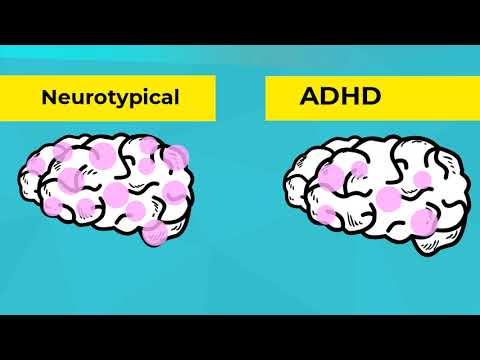
You know that feeling when your mind’s racing a million miles an hour? Like, you’re trying to focus, but everything’s just… everywhere? Yeah, that can be a glimpse into ADHD.
So, what does ADHD really mean, especially when we chat about mental health? It’s more than just being distracted or hyper. It’s like your brain is wired differently.
And it affects way more than just school or work. It messes with emotions and relationships too. Trust me; I’ve seen it firsthand with friends and family.
Let’s break it down together. Understanding ADHD could be the key to unlocking so many things. You follow me?
Understanding ADHD: Is It a Mental Illness or a Neurological Disorder?
So, when it comes to ADHD, or Attention-Deficit/Hyperactivity Disorder, there are a few things we need to get straight. People often wonder if ADHD is a mental illness or a neurological disorder. The truth is, it’s kind of both, but let’s break it down.
First off, ADHD falls under the umbrella of neurodevelopmental disorders. That means it’s related to the way your brain develops and works from an early age. Essentially, ADHD affects how you process information and respond to stimuli. So when you hear “neurological,” think about how your brain’s wiring impacts your behavior.
Now about the mental illness label—it gets tricky here. In the mental health field, “mental illness” typically refers to conditions that affect mood, thinking, and behavior. This includes everything from anxiety disorders to depression. ADHD can definitely impact your mood and behavior—like when you’re feeling frustrated because you can’t focus in class or at work. But since it’s rooted in brain function, some experts prefer referring to it as a neurological disorder.
Here are some key points that help clarify things:
- Symptoms: People with ADHD often struggle with attention regulation, impulsivity, and hyperactivity.
- Brain Function: Studies show that certain brain areas might be less active or develop differently in individuals with ADHD.
- Treatment: Treatment varies from behavioral therapy and educational support to medications like stimulants.
Now let’s talk about some real-life stuff surrounding ADHD. A friend of mine has been open about their experience with this condition for years. They would constantly forget things—like their keys or where they put their phone—and felt overwhelmed by multiple tasks at once. It wasn’t that they weren’t trying; it’s just how their brain worked!
So what happens is people may confuse impulsive behaviors or inattentiveness as being merely lazy or careless. But really? It’s more complex than that! It’s not just a mental hurdle; it’s like running on a treadmill where the speed keeps changing unexpectedly!
In short, ADHD is both a neurological disorder affecting brain development and functions as well as something recognized in the broader context of mental health because it impacts emotions and behaviors significantly. Understanding this dual nature can help both those living with it and those around them develop more empathy and find effective strategies for management.
So next time someone brings up ADHD as either/or—just remember: It’s not just black and white!
Understanding ADHD: Meaning, Symptoms, and Impact on Everyday Life
ADHD, or Attention-Deficit/Hyperactivity Disorder, is one of those terms that gets tossed around a lot but can feel a bit fuzzy for many people. So what does it really mean in the context of mental health? Well, let’s break it down.
First off, ADHD is mainly characterized by inattention, hyperactivity, and impulsivity. It’s not just about being fidgety or distracted; it’s way deeper than that. People with ADHD often struggle to focus on tasks, and their minds might race from one thought to another. This can lead to challenges in school, work, or even at home.
Now let’s talk about symptoms since they really paint the picture of what living with ADHD can be like. Here are some key signs you might notice:
- Inattention: This isn’t just zoning out during a boring lecture. You might forget things easily—like losing your keys or not finishing tasks because something else shiny caught your eye.
- Hyperactivity: You may feel like you’re running on caffeine even if you haven’t had any. It could be restlessness, like always needing to move around or having trouble staying seated.
- Impulsivity: This shows up when decisions are made quickly without thinking them through—like blurting out answers in class or jumping into situations without considering the consequences.
But here’s where it gets interesting—not everyone shows all these symptoms alike. Some folks may be super chatty and active, while others might just seem a bit disorganized. Because of that diversity in symptoms, diagnosing ADHD can be tricky.
So how does this all impact everyday life? Picture this: imagine you’re trying to work on a project that needs your full attention. If you have ADHD, sitting still and focusing for long stretches can feel impossible. It’s like there’s a party going on in your head when all you need is some quiet time.
Alright, let’s get a little more personal here. I once spoke with someone who described their experience living with ADHD as feeling like they were always racing against time but never getting anywhere. They’d start projects but couldn’t keep up momentum; even remembering simple errands became a chore sometimes. That constant battle against distractions? Totally exhausting!
People with this condition might also face challenges in relationships or social situations since misunderstandings can easily arise from impulsive comments or forgetting plans made with friends.
The thing is, understanding ADHD means recognizing that it’s not just about what others see on the surface—there’s so much more going on under the hood! From emotional ups and downs to increased anxiety about handling daily responsibilities.
Now onto solutions! Treatment often includes strategies tailored to each individual—maybe behavioral therapy helps tackle specific skills needed for better organization and focus while medication might provide support for managing symptoms effectively.
In summary? ADHD has its quirks and struggles—it shapes how someone interacts with the world daily. Understanding this condition means looking beyond stereotypes and grasping the unique experiences people face every day as they manage their lives juggling attention and focus issues amidst everything else life throws at them!
Understanding ADHD: Common Symptoms and Effective Treatment Options
ADHD, or Attention-Deficit/Hyperactivity Disorder, is one of those terms we hear often, but what does it really mean in the context of mental health? Basically, ADHD is a neurodevelopmental condition that affects how people focus, control impulses, and regulate their energy levels. It’s not just about being hyper or easily distracted; it’s way more complex than that.
Common symptoms of ADHD can show up in different ways. You might notice:
- Inattention: This means struggling to focus on tasks, making careless mistakes, or having trouble following instructions. Imagine trying to read a book and your mind keeps wandering off.
- Hyperactivity: This isn’t just about being active; it’s often an overwhelming restlessness. A person might feel the need to fidget or talk excessively.
- Impulsivity: Acting without thinking is a hallmark here. You could blurt out answers in class or make hasty decisions without considering the consequences.
It’s super important to remember that these symptoms vary from person to person. Some folks might struggle more with inattentiveness while others deal with impulsivity and hyperactivity. It’s like a mixed bag.
Now let’s chat about treatment options. They can be pretty effective! The main approaches are:
- Behavioral therapy: This involves working with a therapist to develop strategies for managing symptoms and building skills for organization and time management.
- Medications: These can help balance brain chemicals related to focus and impulse control. Stimulants like methylphenidate (think Ritalin) are commonly used, but there are non-stimulant options too.
- Parent training and support: For kids with ADHD, it’s crucial that parents learn techniques to manage behaviors while supporting their children positively.
A friend of mine has ADHD, and she often shares her experiences with me. She talks about how overwhelming it can feel sitting in a meeting where everyone seems focused while she grapples with racing thoughts or finds herself doodling instead of listening. Therapy has helped her develop coping strategies—like breaking tasks into smaller bits—which makes everything seem way less daunting.
Finding the right combination of treatments can take time but don’t lose heart! Many people with ADHD live fulfilling lives once they find their groove. It’s all about understanding yourself better and figuring out what works for you personally.
So yeah, that’s ADHD in a nutshell—you’ve got symptoms ranging from inattentiveness to impulsivity, and effective treatments like therapy and medication can really help manage those challenges!
ADHD, or Attention-Deficit/Hyperactivity Disorder, is one of those topics that often gets tossed around but doesn’t always get the attention it deserves in mental health discussions. You might think it’s just about being hyper or unable to focus, but it’s way more than that. It’s a complex condition that can really shape how someone navigates life.
Imagine for a second being in a room full of people having quiet conversations. You’re trying to join in, but your mind is darting around like a pinball. One moment you’re thinking about what to say next, and the next thing you know, you’re distracted by the buzzing sound from a nearby light. That’s a glimpse into everyday life for someone with ADHD. It’s not just «not paying attention»; it’s like your brain is constantly juggling multiple thoughts while trying to prioritize what really matters.
People with ADHD often struggle with emotional regulation too. It can feel overwhelming at times—like riding an emotional rollercoaster where every twist and turn demands your full attention. I remember my buddy Sam who’s got ADHD; he’d get super excited about things but also crash just as hard when things didn’t go his way. He’d describe it as feeling everything deeply, which could be exhausting yet also kind of magical.
In the realm of mental health, ADHD can intersect with other conditions like anxiety or depression. It’s almost like having multiple puzzle pieces that don’t quite fit together perfectly. Sometimes it feels isolating—you might wonder why you can’t seem to keep up when everyone else appears so composed and put together.
But here’s the thing: ADHD isn’t all doom and gloom! Seriously! It comes with unique strengths too, like creativity and an ability to think outside the box. Many folks with ADHD are wonderfully innovative thinkers who approach problems differently than their neurotypical peers.
Addressing ADHD within the framework of mental health means recognizing both its challenges and its gifts. It’s vital for those affected to have support—be it therapy, medication (if needed), or simply understanding friends who get what they’re going through. When people start seeing ADHD for what it truly is—a multifaceted experience—it opens doors for compassion and better mental health conversations.
So next time you hear someone mention ADHD, remember it’s not just about being fidgety or forgetful; it’s part of a bigger picture that deserves our empathy and understanding.