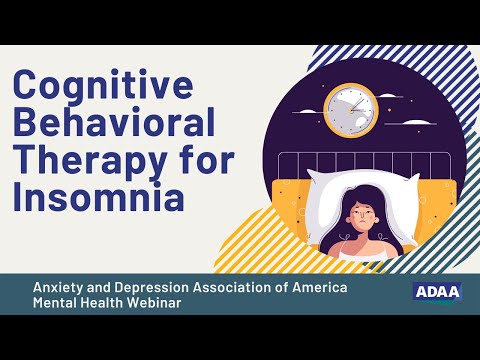
You know those nights when your brain just won’t shut up? Yeah, that’s adjustment insomnia for you. It’s like your mind hits the fast-forward button, and suddenly you’re wide awake, thinking about everything under the sun.
Maybe you’ve just moved to a new city. Or switched jobs. Maybe you’re dealing with a breakup. All that change can feel overwhelming, right? Your body might be tired, but your mind? Not even close.
It’s super common, but it doesn’t make it any easier. And honestly, feeling exhausted on top of all that stress? It’s no fun at all. So let’s chat about what’s going on and how to cope with this pesky sleeplessness together. Sound good? Cool!
Understanding Adjustment Disorder: Is It a Legitimate Mental Health Concern?
Adjustment disorder is one of those mental health concerns that often flies under the radar. You know the feeling: life throws you a curveball, and suddenly, you’re not quite yourself anymore. Maybe it was a big move, a new job, or even a breakup. Your emotions go haywire, and that’s where adjustment disorder steps in.
Essentially, it’s about how you react to stressful changes in your life. If you find yourself feeling overwhelmed or unable to cope for longer than six months after the stressor happens, that’s where adjustment disorder may come into play. It’s like your brain is saying, “Whoa there! This is too much!”
Here are some key things to know:
- Symptoms: You might experience anxiety, sadness, or even irritability. Some folks get physical symptoms too—think headaches or stomachaches.
- Timeframe: The symptoms kick in within three months of the event but typically resolve once you adapt to the situation.
- Coping strategies: Therapy can be super helpful! Talking it out with someone who gets it can make all the difference.
- Legitimacy: Yes! Adjustment disorder is very much a real concern. Just because it feels like “just stress” doesn’t mean it’s not valid.
Let me tell you about my friend Sarah. When she moved to a new city for her dream job, she was thrilled at first. But soon enough, she felt isolated and anxious all the time—like she had stepped into a completely different world without her safety net. She struggled with sleep too; just couldn’t settle down at night because her mind wouldn’t quit racing through everything that had changed.
After realizing this wasn’t just typical stress but something more serious—a few sessions with a therapist helped her understand what was happening: adjustment disorder.
So basically, dealing with adjustment insomnia goes hand-in-hand with this condition. You’re under stress from changes in your life pretty soon leading to restless nights when your mind won’t switch off.
Here’s what to keep in mind: just because adjustment disorders don’t get as much attention doesn’t mean they don’t matter. They can totally disrupt your daily life and lead to other problems if not addressed properly.
In short? If you’re feeling stuck or overwhelmed after a major change in your life, don’t hesitate to seek help—it might just be an adjustment disorder talking!
Understanding the 1/4 Hour Rule for Insomnia: A Guide to Better Sleep
When you’re staring at the ceiling in the middle of the night, feeling like sleep is just so out of reach, you might want to check out something called the 1/4 Hour Rule. It’s a simple concept but can seriously help if you’re dealing with insomnia or adjustment insomnia, especially when life throws a curveball your way.
So, here’s the deal: if you find yourself tossing and turning for more than 15 minutes, get up. Seriously. Just get out of bed. It sounds counterintuitive, right? You want to sleep, but you’ll end up making it harder for yourself by lying there awake. It’s all about breaking that cycle.
Now, let’s dive a bit deeper. Adjustment insomnia often happens when there are big changes in your life—like moving to a new city or starting a new job—that mess with your sleep routine. When you’re stressed or anxious about these changes, your brain gets all wired up and makes sleeping feel impossible.
Using the 1/4 Hour Rule can help by teaching your body that bed is for sleeping—not just laying there freaking out about how tired you feel. Once you get up after those fifteen minutes, do something relaxing until you feel sleepy again—maybe read a book or do some light stretching.
Here are some key points to consider while using this rule:
But let’s keep it real—sometimes just following rules isn’t enough when anxiety kicks in hard. You know those nights when every little worry feels like it’s taking over? That’s tough! Being aware of what triggers your adjustment insomnia helps too.
So here’s an example: Say you’ve just moved to a new town and everything feels overwhelming—the neighbors are loud at night and you’re filled with worries about fitting in at work. That anxiety can really keep you from getting restful sleep! Recognizing that might help you feel less isolated in this struggle.
If this becomes an ongoing issue though, reaching out for support—whether from friends or mental health professionals—can really lead down a better path. Remember that managing insomnia often requires both physical strategies like using the 1/4 Hour Rule and emotional support through understanding what you’re going through.
In short, dealing with adjustment insomnia is no walk in the park! The 1/4 Hour Rule offers one practical way to tackle nighttime restlessness while keeping that cozy bed as sacred space for sweet dreams only! So next time you’re feeling wide awake after those frustrating fifteen minutes? Just get up—you’ll be doing yourself a favor!
Understanding the Connection Between Sleep and Mental Health: Downloadable PDF Guide
Sleep and mental health? Oh man, that’s a big deal. Seriously, sleep is like the unsung hero of our well-being. When you don’t catch enough Zs, it can mess with your thoughts and feelings, making you feel anxious or down. It’s wild how those two are connected.
So, let’s talk about adjustment insomnia. This type of insomnia happens when you’re trying to cope with new stressors in your life. Maybe it’s starting a new job or moving to a different city. Your body’s like, «Whoa, what’s going on here?» And bam! You find yourself lying in bed at 2 a.m., staring at the ceiling instead of dreaming away.
Here’s the kicker: when you can’t sleep well, it can lead to all kinds of mental health issues. You might feel more irritable or have trouble concentrating during the day. Really frustrating stuff! And then it becomes this awful cycle: stress keeps you awake, and lack of sleep makes you more stressed out.
Now, why does this happen? Well, when you’re stressed or anxious about something—let’s say that new job—you might have racing thoughts swirling in your head. Your mind is like an over-caffeinated squirrel darting around everywhere just as you’re trying to wind down for the night. This overstimulation works against your natural ability to fall asleep.
For some people, these patterns can also bring on conditions like anxiety disorders or depression if they go on long enough. The brain gets used to being stressed out and finds it harder to relax even at night.
But there are ways to tackle this! Here are some helpful pointers:
- Establish a bedtime routine: Just like kids thrive on structure, adults do too! Wind down with calming activities before bed.
- Create a comfy sleep space: A dark room without distractions can work wonders for relaxation.
- Limit screen time: Those glowing screens can trick your brain into thinking it’s still daytime! Try to shut them off at least an hour before hitting the hay.
- Stay active: Regular exercise during the day helps burn off excess energy so you can crash harder later.
- Mindfulness practices: Deep breathing or meditation might reduce some of that racing anxiety swirling through your head.
You could think of sleeplessness as needing a little tune-up—just like your car sometimes needs fixing up after rough roads! When you’re stuck in an adjustment period and sleeping’s all over the place, don’t hesitate to reach out for help if things get too tough. Talk therapy could give sound strategies tailored just for what you’re facing.
At the end of the day, remember that sleep matters way more than we often realize until we start losing it. Paying attention to how much rest we’re getting isn’t just taking care of our bodies; it’s taking care of our minds too! So yeah, let’s make sure those pillows are fluffed and that nighttime routine is tight—it’ll do wonders for both sleep and mental health!
Adjustment insomnia can be such a sneaky little beast. You know, it’s that frustrating struggle to sleep when life throws you curveballs. Maybe you just moved to a new city, started a different job, or went through a breakup. It feels like your brain just won’t switch off, even though your body is begging for rest. I totally get it.
I remember when my buddy Jessie moved for a new job across the country. She was super excited but also felt this massive pressure to impress her new team. Her mind raced at night with thoughts about all the things she needed to do, and before long, she was tossing and turning like a fish out of water. She’d text me at 2 AM, saying she felt completely drained but couldn’t fall asleep. That sense of worry over her new life was like an annoying radio station stuck on repeat in her head.
You see, adjustment insomnia usually hits when there’s some big life transition happening—your routine is all messed up, and it can feel overwhelming. It’s not that you don’t want to sleep; it’s just that your mind is busy playing the “what if” game.
From a mental health angle, coping with this kinda insomnia isn’t always straightforward. Some folks might find comfort in talking things out; maybe therapy helps guide them through their anxieties and gives them tools for winding down at night. Others might benefit from simple habits, like creating a calming bedtime routine or reducing screen time before bed (even if that means saying goodbye to those late-night scrolling sessions).
But let’s be real: everyone deals with stuff differently! What works for one person may not fly for another. Jessie ended up finding solace in journaling before bed—it helped clear out the mental clutter so she could finally drift off without racing thoughts keeping her up.
The cycle of sleeplessness can feel pretty gnarly; lack of restful nights can lead to irritability, mood swings, or even feeling foggy during the day—trust me, I’ve been there too! The key is recognizing what’s causing that mental noise and finding constructive ways to manage it.
So if you’re grappling with adjustment insomnia right now—know you’re not alone in this chaotic world where change happens constantly! Take baby steps toward creating your own peaceful sleep space and don’t hesitate to reach out for support when you need it. Remember: some chapters are tougher than others but they always come with opportunities for growth… and eventually? Sweet dreams will follow!