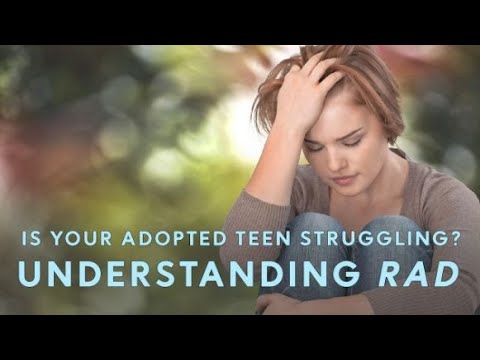
You know, adoption is such a wild, emotional journey. It’s not just about bringing home a baby or a kid. There’s a whole lot of mental health stuff that comes into play, too.
Ever heard of Adoption RAD? It’s short for Reactive Attachment Disorder, and it can really shake things up for families. It’s one of those things that many people don’t understand until they’re knee-deep in it.
Honestly, it can feel like this huge mountain to climb. So many emotions are involved—like love, anxiety, and even fear. It leaves you thinking about how this affects everyone in the family unit.
In this chat, we’ll explore how RAD connects to mental health dynamics. Trust me; there’s a lot to unpack! You might find some surprising insights along the way.
Exploring the Impact of Adoption on Mental Health: Insights and Support Strategies
Adoption can be a life-changing experience, not just for the child but also for the adoptive parents and birth families. Understanding the impact of adoption on mental health is crucial, especially when it comes to addressing the unique challenges and emotional experiences that can arise.
For many adopted children, there’s a complex mix of feelings. They might struggle with feelings of abandonment or confusion about their identity. Imagine being a kid wondering why your birth parents chose to give you up. That thought can lead to deep questions about self-worth and belonging. It’s like carrying an invisible backpack filled with heavy rocks—each rock representing a fear or uncertainty.
The thing is, these feelings don’t just disappear as kids grow older. They can manifest in various ways, including anxiety, depression, or behavioral issues. The challenge for adoptive parents is to recognize these signs early on—like when your child seems overly withdrawn or acts out unexpectedly.
It’s also essential to remember that not all adopted children will experience mental health challenges. Some might adjust beautifully and thrive in their new environment. But still, having support strategies in place can make a world of difference.
- Open Communication: Keep the lines open with your child about their feelings regarding adoption. Encourage them to share thoughts without judgment.
- Therapeutic Support: Seeking help from professionals who understand adoption-related issues can be incredibly beneficial.
- Building Connections: Connecting with other adoptive families helps create a support network where everyone understands the journey.
- Cultural Awareness: If applicable, acknowledging your child’s cultural background helps foster a sense of identity.
Consider this example: Sarah was adopted at age 5 from another country. Growing up, she often felt different from her peers and struggled with her heritage being overshadowed by her new family culture. Her adoptive parents chose to incorporate her cultural traditions into their lives and reached out to therapists specializing in adoption issues. This approach helped Sarah create pride in her roots while feeling loved in her new family.
In terms of emotional well-being for adoptive parents, it’s vital to acknowledge their feelings too. They might experience guilt, pressure, or even loss when faced with their child’s struggles around adoption. Engaging in supportive communities where they can express these emotions without reservation helps foster resilience.
Adoption is more than just joining two worlds together; it blends experiences that shape mental health dynamics significantly. Having a strong support system—whether through therapy, community groups, or open family dialogue—plays an important role in navigating these waters successfully.
So yeah, if you’re involved in the adoption journey—be it as an adoptive parent or an adopted child—remember that it’s completely okay to seek help when needed and take proactive steps toward understanding those complex emotions that come along for the ride!
Understanding the 7 Core Issues Faced by Adoptees: Insights for Healing and Growth
Being adopted comes with its own unique set of challenges. When you think about it, it’s a huge life transition, right? It shakes up your whole foundation. The thing is, adoptees often deal with what some folks call the seven core issues. These are basically the psychological hurdles that can pop up as someone navigates through life.
Let’s break them down. I’ll keep it straightforward so you can really grasp what’s going on here.
- Loss: This one is pretty heavy. Adoptees usually experience a profound sense of loss regarding their biological family. Even if they don’t know them, there’s a void. It can feel like mourning something that was never really there, you know?
- Rejection: Many adoptees grapple with feelings of rejection. They might wonder why their birth parents gave them up or if there’s something inherently wrong with them. This sense can linger and affect self-esteem.
- Identity: Figuring out who you are is tough for everyone, but for adoptees, identity formation can be uniquely challenging. There might be questions about cultural background and belonging that can create confusion.
- Guilt and Shame: Adoptees often struggle with guilt—wondering if they’ve hurt their adoptive parents by thinking about their birth parents or feeling shame for having those thoughts in the first place.
- Anxiety and Fear: You might find that adoptees live with heightened anxiety about abandonment or being left behind again. Picture this: every time they start to feel close to someone, waves of fear crash over them, worrying it might happen all over again.
- Selectivity of Relationships: Because they’ve dealt with loss and rejection, many adoptees may find themselves selectively choosing relationships. They might pull back from bonding deeply, fearing another heartbreak.
- Connection Issues: The way some adoptees connect emotionally with others may become tricky due to their past experiences. They might struggle with intimacy or expressing needs and feelings in relationships because of those earlier wounds.
If you’re an adoptee or know someone who is navigating these waters, it’s really crucial to talk about these issues openly. Ignoring them doesn’t help; in fact, it tends to make things worse over time.
You know how people often say talking through your problems helps? It totally applies here too! Therapy can be a great tool for exploring these core issues more deeply—a safe space where you can unpack feelings without judgment.
The road may be rocky sometimes—the emotions run deep—but recognizing these core issues is a big step toward healing and growth. You’re not alone in this journey; many others share similar experiences. Just remember: every emotion matters!
Understanding the Most Common Mental Health Disorder Among Adoptees
Adoption can be a beautiful thing, but it comes with its own set of unique challenges. Many adoptees face a mental health disorder known as **Reactive Attachment Disorder (RAD)**. This isn’t just some psychological term; it’s a real struggle that affects how someone connects with others.
So what is RAD? Well, basically, it’s a condition that can develop in children who have experienced a lack of consistent care and nurturing when they were young. It’s all about those early attachments—or the lack thereof—forming the foundation for emotional and social development. Kids with RAD may have trouble forming healthy relationships and often struggle to trust people.
Imagine this: you’re a kid who’s been moved around from foster home to foster home, never really settling down or feeling secure. It’s no wonder you’d be wary of new people, right? You might even guard your emotions like they’re precious treasures because you don’t want to get hurt again.
Symptoms of RAD can vary. Some kids might seem overly withdrawn or detached, not really engaging in play or conversation like other kids do. Others could be the opposite—super clingy or require constant reassurance but still push people away when it gets too close for comfort.
Here are some key points to understand:
- Attachment Issues: Adoptees may find it hard to form secure attachments because they didn’t have that early stability.
- Emotional Regulation: Many struggle with managing their emotions, leading to sudden outbursts or intense feelings.
- Trust Problems: Trust doesn’t come easy; many adoptees constantly question the intentions of those around them.
Now let’s talk about treatment options because supporting someone with RAD is crucial. Therapy can be an absolute game changer! Approaches like play therapy help children express themselves in ways they can’t verbally. Sometimes, family therapy is beneficial too; it creates an environment for open communication and understanding among family members.
Also, it’s important for adoptive parents to educate themselves about RAD and its symptoms so they can provide the best support possible. This way, they’re more equipped to help their child navigate these tricky waters.
In some cases, medication might be considered if symptoms seriously interfere with day-to-day life—but that’s usually on a case-by-case basis and should always involve consultation with mental health professionals.
You know, it’s not just about treating symptoms but also nurturing that deep sense of belonging every kid needs—especially adoptees who may grapple with feelings of abandonment or rejection from their biological families.
At the end of the day, understanding Reactive Attachment Disorder and its dynamics is key for providing support and fostering healthy relationships. It’s all about love, patience, and creating safe spaces where adoptees can thrive emotionally!
You know, adoption is such a beautiful thing. It’s like giving love a whole new chance, right? But there’s this thing called Adoption-related anxiety disorder, or ARAD for short, that can really complicate the emotions surrounding it. It’s kind of a big deal and not something you hear about every day.
When someone gets adopted, there’s this huge mix of feelings that can bubble to the surface. Imagine being that kid who’s been through the wringer—maybe they’ve faced loss, felt abandoned, or just had their whole world flipped upside down. Even when they end up in a loving home, those feelings don’t automatically disappear. They hang around like uninvited guests at a party, and sometimes they just won’t leave.
There was this kid I met once who’d been adopted at a young age. On the surface, he seemed really happy with his new family. But deep down? Oh man, he had so much going on! He’d often worry about being “thrown away” again or thought maybe he’d never fit in completely—like he was walking around with this heavy backpack filled with worries. That anxiety made it tough for him to connect fully with his adoptive parents and siblings.
So ARAD isn’t just about feeling nervous; it’s like having an emotional storm inside you that can affect relationships and personal growth. You might deal with trust issues or have a hard time managing stress because your mind keeps replaying old fears over and over again. Sounds exhausting, huh?
And here’s where it gets tricky: some people don’t even realize they’re dealing with ARAD until much later in life! They might chalk up their struggles to other things and not see that adoption played a role in their mental landscape.
But let’s not forget the good news! There are ways to work through these feelings—like therapy or support groups where other adoptees share their stories. It’s like finding your tribe! Having someone who gets it can make a world of difference.
In essence, while adoption can bring love and joy into someone’s life, ARAD shows us that it also comes with its own set of challenges. And hey, acknowledging that is part of healing too—you know? So if you’re someone navigating this journey or know someone who is, remember it’s okay to feel all kinds of things about it!