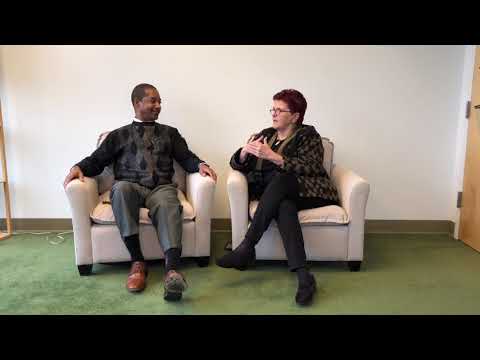
So, you know how life can feel like a rollercoaster sometimes? One minute you’re up, and the next—bam—you hit a low that feels never-ending. It’s tough, right?
Well, here’s the thing: recovering from mental health challenges is often easier with support. But not just any support.
Enter peer support specialists. These are folks who’ve walked the path you’re on. They’ve been there, felt that, and come out the other side with some serious knowledge.
Imagine chatting with someone who totally gets what you’re going through. That’s what these specialists offer—a real connection and understanding that can make all the difference in your recovery journey.
Understanding the Role of a Peer Recovery Specialist: Key Functions and Benefits for Mental Health Support
Peer recovery specialists are like those friends who truly get what you’re going through. They’ve been in the trenches themselves, so they know the ups and downs of mental health struggles. This connection can make all the difference when you’re navigating your own path to recovery. So, what exactly do they do? Let’s break it down.
Supportive Relationship
First off, peer recovery specialists provide emotional support. They’re there to listen without judgment and to share their own experiences. It’s like having a buddy who’s been there done that, helping you feel less alone. You share your fears and hopes with someone who truly understands.
Encouragement and Motivation
Another key function is motivation. These specialists help keep you on track with your goals. They celebrate your successes, big or small, which can make you feel empowered to keep going. It’s that little voice cheering for you when things get tough.
Practical Guidance
Peer recovery specialists also offer practical tips for everyday challenges. For instance, if you’re struggling with anxiety before a social event, they might share coping strategies that worked for them. It’s not just about sharing stories; it’s about sharing solutions that have been effective in real life.
Navigating Services
They can help guide you through the mental health care system too. It can be confusing! They know where to find resources or support groups and can assist in connecting you with professionals who fit your needs.
Creating a Sense of Community
A big part of what peer recovery specialists do is help create connections among peers facing similar challenges. Group sessions can foster community vibes, making it easier to share experiences and find solidarity in each other’s journeys.
Sparking Hope
One of the most beautiful benefits is that these specialists ignite hope in individuals who may feel lost or stuck in their conditions. Their stories often demonstrate that recovery is possible—showing that it’s not just a dream but something achievable.
Cultural Competence
They often understand cultural contexts and backgrounds, making it easier for people from diverse communities to relate to them. This understanding helps tailor support in ways that resonate more deeply with individuals’ unique experiences.
In short, peer recovery specialists are more than just support people; they’re lifelines in the sometimes murky waters of mental health recovery. With their lived experience and genuine understanding, they empower others on their journeys toward healing and stability. If you’re looking for somebody who truly gets it—this could be exactly what you need!
The Impact of Peer Specialists in Recovery-Oriented Mental Health Care Systems
Peer specialists are pretty cool when it comes to recovery-oriented mental health care. These individuals have lived experience with mental health challenges, which means they bring a unique perspective to the table. They’re not just talking the talk; they’ve walked the walk. So, having someone who truly understands what you’re going through can be a game-changer.
One of the biggest impacts these peer specialists have is in creating a sense of connection. When you’re going through tough times, feeling isolated can make everything worse. But peer specialists help bridge that gap. They offer support and encouragement while giving hope that recovery is possible. You know, it’s like when you’re down and a friend reminds you that things will get better; that reassurance means something.
It’s also about empowerment. Peer specialists guide people in making their own choices regarding their treatment and recovery plans. Instead of just sticking to a rigid system, they help individuals find their own paths. It’s basically all about taking back control over your life! Imagine deciding on the best way for you to tackle your challenges instead of following a preset script—it feels liberating!
When we think about practical skills, peer specialists often help with life skills training. This can be anything from managing finances to finding housing or even just building social skills. Think about how awkward it can feel to enter a room full of people; having someone who’s been in similar situations can teach you tricks to navigate those moments better.
Another essential piece is reducing stigma. Having peer specialists within mental health teams helps normalize experiences around mental illness. People start recognizing that everyone has struggles; it’s not just them dealing with this “thing.” That shift can lead to more open conversations and ultimately break down those walls that keep people from seeking help.
So, how does this all come together? Peer support models often contribute to lower hospitalization rates and improved overall well-being for individuals receiving care. Folks tend to stick with treatment longer when peer support is part of the package! You get genuine camaraderie mixed in with professional services—it’s like having your very own cheerleader along your journey.
In summary, peer specialists bring empathy, understanding, and real-life strategies into recovery-oriented mental health care systems. They create connections, empower others, teach vital life skills, and reduce stigma—all while contributing positively to overall mental health outcomes. It’s all about fostering an environment where healing isn’t just possible—it’s incredibly achievable!
Understanding the Distinction: Recovery Coach vs. Peer Support Specialist in Mental Health
Understanding the difference between a recovery coach and a peer support specialist can feel a bit like figuring out the difference between two similar but distinct coffee drinks. They both aim to support people on their journey but do so in slightly different ways.
A recovery coach is generally someone who helps individuals navigate their personal paths to recovery. These folks have often been through challenging times themselves, so they bring lived experience to the table. Recovery coaches focus on a person’s overall life goals—not just mental health issues, but also work, relationships, and even hobbies. They act as cheerleaders, providing motivation and resources to help the person reach those personal goals.
On the other hand, a peer support specialist is typically more focused on mental health specifically. These specialists also share their own experiences with mental health challenges, which helps create a strong connection with those they’re supporting. The key here is that peer support specialists are trained to facilitate conversations about mental health and wellness. They provide emotional support, help set goals, and can even teach coping skills based on what’s worked for them.
To break it down further:
- Recovery Coaches: Think of them as life coaches for recovery. Their approach is broad. They may not always have mental health training but are there to inspire action.
- Peer Support Specialists: These individuals have specialized training in mental health recovery techniques. Their role is more focused on guiding someone through specific mental health concerns.
Now, imagine you’re struggling after losing your job because of anxiety. A recovery coach could help you look at your life holistically—maybe working on building confidence or exploring new job opportunities while encouraging you along the way. In contrast, your peer support specialist would focus specifically on how that anxiety impacts your daily life and equip you with strategies to manage it better.
One thing that really stands out? The connection they build with you. Both roles hinge on shared experiences; that’s where the magic happens! You might find yourself feeling understood by someone who has walked a similar path.
Also important: While both roles are supportive, they aren’t substitutes for professional therapy or medical treatment if that’s what you need. Instead, think of them as complementary resources in your recovery journey.
In short:
- If you’re looking for broader life guidance—like getting back into work or finding new hobbies—a recovery coach could be what you need.
- If you’re seeking someone who really gets the ins and outs of mental health struggles specifically? Then a peer support specialist might be right up your alley.
So there ya go! Both roles play vital parts in empowering folks through their recovery journeys—all while weaving in their own unique stories!
You know, sometimes the road to recovery can feel like a never-ending uphill climb. I’ve seen friends struggle with their mental health, feeling isolated and lost. But what really lights a spark of hope is when they find someone who gets what they’re going through—like a peer support specialist.
Imagine, you’re sitting in a group, and there’s this person sharing their journey, how they went from feeling totally overwhelmed to finding strength. They’re just like you—no fancy degrees or therapy jargon, just real-life experience. It’s incredible how talking with someone who’s been there can give you this sense of “Wow, I’m not alone in this.”
Peer support specialists are like those trusty guides who have already walked that rocky path. They’re trained to help others navigate through tough times. Seriously, it’s not just about chatting; it’s about building connections that matter. When my buddy started working with one, he felt empowered to open up about his feelings without the fear of being judged.
This kind of connection can create a safe space where people feel valued and understood. And let’s face it; that’s something we all crave when dealing with our mental health struggles. Plus, these specialists often emphasize the importance of self-advocacy and setting personal goals—which is crucial for anyone on their recovery journey.
I think a big part of what makes peer support so effective is that it fosters hope. People see that recovery is possible because they’re witnessing it in real-time from somebody who was once at rock bottom but found their way back up. It shifts the narrative from “You have this problem” to “Look at how far I’ve come; you can too!”
It’s not always easy to reach out or ask for help, but knowing that there are folks out there ready to share their stories makes it feel a bit more doable. With peer support specialists in the picture, recovery becomes less about battling demons alone and more about walking together toward healing.
So yeah, if you or someone you know is struggling, having someone who’s been through the wringer as your ally might just be the boost needed to kickstart your journey towards better mental health! It brings warmth and understanding into what often feels like a cold world—it really does make all the difference!