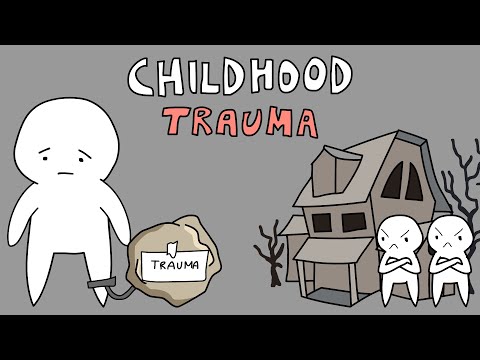
You know, childhood can be a wild ride. There’s laughter, adventure, and those unforgettable moments. But not everyone’s story is filled with sunshine and rainbows. Some of us carry around heavy stuff from our early days.
Think about it—what if those tough experiences don’t just fade away? They might stick with us, showing up in our adult lives in ways we never even expect. It’s like they’re hidden whispers, influencing how we feel and act.
So, how do you recognize when that childhood trauma starts creeping back? What are the signs? Well, grab a cozy seat and let’s unravel this together. It’s important stuff, and honestly, understanding it can change the game for so many of us.
Understanding the Impact of Childhood Trauma on Adult Mental Health: Signs and Manifestations
Childhood trauma can leave some heavy marks on a person’s life, often showing up in ways that might not be immediately obvious. You know, trauma doesn’t just vanish; it sticks around and influences how you feel and act as an adult. So what does this look like exactly? Well, let’s break it down.
First off, you might notice some emotional signs. Feelings of anxiety or constant worry can arise out of nowhere. Maybe you find yourself feeling jumpy or overly cautious in situations that shouldn’t be threatening. It’s almost like your brain is stuck on high alert mode.
Then there are the more obvious signs—flashbacks or intrusive memories. These are the moments when a smell or sound can transport you right back to your childhood trauma as if it just happened yesterday. It’s wild how our senses work sometimes.
You might also notice difficulties with trust and relationships. If you had a rough upbringing, forming close connections with others can be tricky. You may find yourself pushing people away, fearing intimacy or vulnerability because it feels too risky.
Another biggie is the tendency to engage in distracting behaviors. This could mean anything from substance abuse to excessive workaholism. It’s like finding ways to numb the pain without dealing with it head-on, which often leads to more issues down the line.
And let’s not forget about self-esteem issues. Individuals who experienced trauma as kids may struggle with feelings of worthlessness or inadequacy in adulthood. You might look in the mirror and think you’re not good enough, even when everyone else sees your worth.
So what about physical symptoms? Stress from unresolved childhood trauma can manifest as chronic pain, headaches, or even gastrointestinal problems. Your body often holds onto stress in ways that are just plain unfair!
Life choices also get impacted. Folks who grapple with trauma might find themselves in unhealthy relationships repeatedly or engaged in self-sabotaging behaviors without realizing it. It’s almost like being stuck on a loop that keeps repeating itself.
Well, coping strategies tend to vary too but don’t always hit the mark—things like avoidance show up frequently since facing painful memories feels unbearable at times.
Understanding these signs is vital for anyone who’s been through tough experiences in childhood. Acknowledging the impact of your past can really help make sense of how you’re feeling now and guide steps toward healing.
In short? Childhood trauma doesn’t have an expiration date; its effects can linger into adulthood if left unaddressed. Recognizing these signs isn’t always easy but it’s crucial for moving forward and finding healthier ways to cope and connect with others.
10 Subtle Signs of a Traumatic Childhood: Recognizing Unspoken Indicators of Emotional Struggles
Trauma from childhood can stick with you for years, sometimes showing up in ways you don’t even realize. It’s sneaky like that. Often, it’s the subtle signs that tell the story of a tough past, leading to emotional struggles later on. Let’s explore some of these signals, shall we?
1. Difficulty in Relationships: You might notice patterns where you push people away, or maybe you cling too tightly. Either way, it can be tough to trust others when you’ve been hurt before.
2. Overreacting to Stress: A small issue can feel like a mountain when you’ve experienced trauma. You might find yourself panicking over things that don’t seem like a big deal to others.
3. Low Self-Esteem: Growing up in a challenging environment can leave scars on your self-worth. You may often feel “not good enough” or question your own abilities.
4. Avoidance Behaviors: Maybe you steer clear of certain places or situations that remind you of your past—like an old neighborhood or even family gatherings.
5. Emotional Numbness: Sometimes it’s easier to shut down your feelings than deal with them head-on. If you’re feeling numb a lot of the time, it could be a sign that you’re protecting yourself from past pain.
6. Body Language Issues: Watch out for your body speaking what words won’t say! You may have a hard time making eye contact, or perhaps your posture is closed off when interacting with others.
7. Substance Abuse**: Some people turn to alcohol, drugs, or other substances as a way to cope with unresolved feelings from childhood trauma.
8. Flashbacks and Nightmares: These are more intense indicators but still worth mentioning—recurring dreams or vivid memories from childhood can signal deep-seated issues needing attention.
9. Intense Reactions to Criticism: If feedback feels like an attack instead of constructive criticism, this could stem from past experiences where any form of correction induced fear or anxiety.
10. Always on Guard: Feeling like you need to protect yourself constantly? This hyper-vigilance comes from having lived in environments where threats were present—not just physical ones but emotional too.
So look, recognizing these signs is the first step towards healing and understanding how your past affects your present life. It’s okay if some days are harder than others; acknowledging what you’ve been through is key to moving forward!
Recognizing the Long-Term Effects: Symptoms of Childhood Trauma in Adulthood
Childhood trauma can leave some serious scars. You might even find that the struggles you face as an adult trace back to things that happened in your younger years. Pretty wild, right? But recognizing the long-term effects is crucial for understanding your emotional landscape.
First off, emotional dysregulation is a biggie. This means you might feel emotions more intensely or struggle to manage them. For example, let’s say you’re at a party, and someone casually makes a joke at your expense. While others laugh it off, you might find yourself spiraling into feelings of shame or anger. This isn’t just sensitivity; it’s like your emotional thermostat is broken.
Then there are relationship issues. If you experienced trauma as a kid, forming connections can feel like walking on eggshells. You might find yourself either overly dependent on people or pushing them away entirely. Like that time when your partner just wanted to cuddle but instead, you snapped because intimacy felt too risky. That’s trauma whispering in your ear.
Another symptom is anxiety and avoidance. You know those moments when you just can’t shake the feeling that something bad will happen? It’s common for adults with childhood trauma to have heightened anxiety levels. Maybe crowded places trigger panic attacks for you, reminding you of chaotic situations from the past.
Dissociation is another sneaky effect of childhood trauma that can manifest later in life. This could look like daydreaming during important meetings or feeling detached during conversations like you’re watching yourself from a distance. It’s like your brain’s way of coping by checking out when things get too overwhelming.
Let’s not forget about self-esteem issues. If you were criticized or neglected as a child, those messages often stick around long after the situation has passed. Adult life can feel like one big comparison game where you’re always coming up short—like showing up at family gatherings and feeling less than everyone else.
Lastly, there might be signs of substance abuse. Many people try to cope with unresolved pain through alcohol or drugs—a misguided attempt to numb feelings that are hard to confront head-on. You might think “just one drink” will help settle your nerves but end up needing more to escape those familiar ghosts from childhood.
Recognizing these symptoms isn’t about blaming anyone; it’s about understanding yourself better so you can heal and grow. Therapy can really help unpack these feelings—like having someone hold up a mirror so you can finally see what’s been affecting you all along.
Remember: acknowledging these signs is the first step toward taking back control of your life! You’re not alone in this journey; many are walking similar paths toward healing and self-discovery.
You know, it’s kind of wild how stuff that happens to us as kids can stick around like an unwelcome houseguest when we grow up. I mean, childhood is such a formative time, right? But trauma, whether it’s big or small, can seep into our adult lives in ways we might not even realize.
Take the story of my buddy Mark. Growing up, he faced a lot of chaos at home. His parents fought constantly; it felt like living in a storm. Fast forward to today, and Mark often finds himself feeling anxious in relationships—like every little disagreement might lead to a huge fallout. Sometimes he gets so tense that he pulls away from people entirely and feels super lonely. It’s heartbreaking to see him struggle like that.
There are other signs of this childhood trauma popping up too. Like difficulty trusting others—some folks build walls so thick you could hang a «Do Not Enter» sign on them. Or emotional dysregulation! That’s when someone has swings between feeling numb and then suddenly overwhelmed by emotions—it can seem pretty drastic when you start connecting those dots back to their past.
And how about the folks who find themselves repeating patterns? It’s almost like they’re stuck in a loop where they keep picking the same type of partners or jobs that just aren’t good for them. It’s like they’re subconsciously trying to work through those old issues but end up facing the same heartbreak all over again.
You might notice physical symptoms too; some people carry their stress in their bodies with chronic pain or even digestive issues—so annoying! This tension is just another way past traumas say “Hey! Remember me?”
At the end of the day, recognizing these signs can be a stepping stone toward healing, though it takes some time and maybe even a little help from therapy or trusted friends. No one wants to feel trapped by old wounds forever. It’s about breaking free from that cycle and finding peace one step at a time!