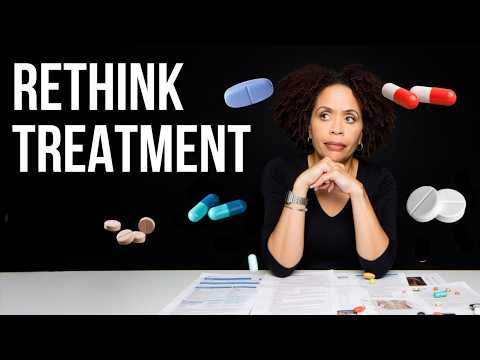
So, let’s talk about Adzenys. If you’ve ever felt like your brain’s on overdrive—like, seriously racing and scattered—you might know a little about ADHD.
It can be a tough ride, right? You’re not alone in feeling overwhelmed. Lots of folks are looking for ways to manage those chaotic thoughts and impulses. That’s where meds like Adzenys come into the picture.
It’s not just about popping a pill and calling it a day, though. We’ll dig into what makes Adzenys tick and how it fits into the bigger picture of mental health care.
Trust me; understanding this stuff can really help you or someone you care about find some clarity in that whirlwind up there!
Top Medications for Managing Bipolar Disorder and ADHD: A Comprehensive Guide
Bipolar disorder and ADHD can be tough to manage. Both can hit hard, affecting your mood, focus, and everyday life. Medications play a huge role in treatment, so let’s break it down.
When we talk about **bipolar disorder**, people often use mood stabilizers to help keep those ups and downs in check. Lithium is one of the most commonly used medications here. It’s been around for ages and works wonders for many folks by leveling out mood swings. There’s also valproate, which is another option that’s often helpful for mixed episodes or mania.
Now, shifting gears a bit to **ADHD**, you’ve got things like stimulants playing a major role in treatment. Adzenys XR-ODT is one you might’ve heard of—it’s an extended-release version of amphetamine that helps enhance focus and attention. It dissolves quickly in your mouth, making it pretty convenient. Some folks find that with Adzenys, they can tackle their daily tasks much better without that nagging distraction.
But here’s the catch: finding the right medication isn’t always straightforward. You might have to try a few different ones before landing on what works best for you or your loved one. Everyone’s brain is wired differently!
Also worth mentioning are **antidepressants** sometimes being used cautiously with bipolar disorder patients; they gotta be careful since these can sometimes trigger manic episodes. A doctor usually takes extra care when prescribing these.
Then there are **non-stimulant options** for ADHD if stimulants don’t quite fit your vibe. Medications like atomoxetine (Strattera) can help without the risk of addiction that some may worry about with stimulants.
In general, treatment plans are super personalized! What works well for one person might not have the same effect on another—that’s totally normal. Regular chats with your doctor about how you’re feeling can help fine-tune things along the way.
Overall, managing both bipolar disorder and ADHD often requires a combination of medications, lifestyle tweaks, and therapy too! It might seem overwhelming at times, but remember: lots of people find effective plans that make life more manageable and enjoyable again!
Top Treatments for ADHD: Finding the Best Mental Health Solutions
ADHD, or Attention-Deficit/Hyperactivity Disorder, can feel like trying to juggle flaming torches while riding a unicycle—seriously challenging! But there are several treatments out there that can help manage those symptoms and make life a bit easier. Let’s break down some top treatments for ADHD, including a medication you might’ve heard of called Adzenys.
Medication is often one of the first lines of defense. Stimulants like Adzenys XR-ODT (that’s the full name) help many people. What’s interesting about Adzenys is it’s an extended-release formulation that melts in your mouth, making it super easy to take. It helps improve focus and reduce impulsivity by balancing certain chemicals in the brain.
But hey, medications aren’t for everyone. That’s why behavioral therapy can play a critical role. Think of it as equipping yourself with tools to handle life better. You learn to develop coping strategies, organizational skills, and ways to manage time effectively. This kind of therapy is especially great for kids who may not yet fully understand their ADHD.
You might also hear about Cognitive Behavioral Therapy (CBT). It’s all about changing how you think about things. For someone with ADHD, this could mean tackling negative thoughts or learning how to handle frustration when they miss deadlines or forget something important.
Another effective approach is parent training and support. Parents play a huge part in helping kids with ADHD navigate through their challenges. Learning how to create structure at home and use positive reinforcement can work wonders.
And let’s not forget about dietetics and nutrition. Some folks find that certain diets help reduce symptoms. While it’s not guaranteed for everyone, you might want to pay attention to what you eat—certain foods might affect how hyperactive or distracted you feel during the day.
Lastly, there’s always room for exploring mindfulness practices. This includes meditation or yoga—which sounds chill but can be super beneficial for managing stress levels and improving focus over time.
So there you have it! The best solutions often come from combining different approaches tailored specifically for each person’s needs. Have a chat with a mental health professional if you’re considering any options—because finding what works best for you is key!
Understanding ADZENYS XR-ODT: Benefits, Uses, and Mental Health Impact
ADZENYS XR-ODT is a medication that’s specifically used for managing Attention-Deficit/Hyperactivity Disorder (ADHD). It’s an interesting option because it comes in an orally disintegrating tablet form, which makes it easier for some people to take. You just pop it in your mouth, and it starts dissolving. Cool, right?
Benefits of ADZENYS XR-ODT include its ability to help improve focus, reduce impulsivity, and enhance overall functioning in daily activities. Many users have reported that this medication has made a noticeable difference in their ability to concentrate at work or school. It’s like finding the perfect pair of glasses after squinting for years!
When we talk about uses, ADZENYS XR-ODT is primarily prescribed for ADHD. It’s particularly useful for individuals who have difficulty following through on tasks or staying organized. Imagine trying to read a book but finding your mind wandering all over the place—that’s what ADHD can feel like. This medication can help create a more manageable environment for people dealing with those challenges.
Now, let’s get into the mental health impact. Medication can affect everyone differently—what works wonders for one person might not do much for another. Some people find that their mood stabilizes; they feel less anxious and more capable of handling daily stressors. This can lead to better interactions with friends, family, and co-workers.
However, there are some possible downsides too—like any medication! Some users may experience side effects such as insomnia, decreased appetite, or even increased anxiety. It’s important to monitor how you feel while taking it and keep an open conversation with your doctor.
In terms of
, here are a few common ones:
You wouldn’t want any surprises when starting something new like this.
It’s crucial to understand that while medications like ADZENYS XR-ODT can provide relief from ADHD symptoms, they are often most effective when combined with therapy or behavioral strategies. Think of it as having a toolkit; the meds might give you the right tools but pairing them with therapy could teach you how to use them better.
Overall, if you’re considering ADZENYS XR-ODT as part of your ADHD management plan—or if you’re just curious—it’s always best to talk things over with your healthcare provider. They’ll guide you based on individual needs and experiences because every journey is unique in the world of mental health!
You know, managing ADHD can be a bit of a rollercoaster for both those living with it and the people around them. I remember a buddy of mine, Jamie, who always struggled with focusing. He’d be all over the place—talking a mile a minute, losing his stuff constantly, and trying to keep up with everyday tasks felt like climbing Everest. Then he got prescribed Adzenys, which is this extended-release medication that works for ADHD.
At first, there was some hesitation. Jamie wondered if popping a pill would really make that much of a difference—or if it would just make him feel like a zombie. But after chatting with his doctor and doing a bit of research, he decided to give it a shot.
Adzenys is interesting because it’s basically designed to help bridge that gap between having trouble focusing and actually being able to concentrate. What’s neat about it is that it’s an amphetamine-based medication, so it stimulates certain parts of the brain involved in focus and impulse control. This means you might find it easier to sit still for those boring meetings or not blurt out the first thought that pops into your head during class.
Now—don’t get me wrong—medications aren’t like magic pills that fix everything overnight. Jamie had his ups and downs while adjusting to it. At first, he experienced some side effects like decreased appetite and trouble sleeping. But gradually, things started to level out, and he found himself being more productive at work and even having time for hobbies again.
But here’s the thing: while Adzenys really helped Jamie get some grip on his attention issues, he also learned that therapy was critical too. It’s not just about what’s going on in your brain; it’s also about how you manage emotions—coping strategies are key! So therapy sessions became part of his routine as well.
Overall, if you or someone you know is grappling with ADHD, exploring options like Adzenys alongside behavioral strategies might lead to finding what works best for you. Because let’s face it: managing ADHD isn’t just about focusing better; it’s also about finding ways to thrive in everyday life—and everyone deserves that chance!