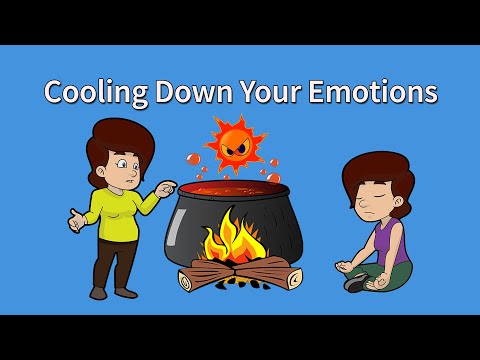
Hey! Let’s chat about something super important—your emotions. You know, those little gremlins that can pop up when you least expect them?
Imagine waking up feeling on top of the world, then by noon, you’re in a funk. Or maybe it’s the opposite! One minute you’re down in the dumps, and suddenly you’re ready to take on the universe. Life’s like that sometimes.
But what if I told you there are ways to handle those emotional roller coasters? Seriously! That’s where affect regulation skills come into play. They’re like your emotional toolbox, helping you manage your feelings better.
So, grab a cup of coffee or your favorite snack, and let’s dig into how you can enhance your emotional well-being. Sound good?
Mastering Emotion Regulation: Discover 5 Effective Strategies for Better Mental Well-Being
We all experience a wild ride of emotions, right? Sometimes they can feel overwhelming, and you might wonder how to keep yourself from spiraling. Well, mastering emotion regulation is like learning how to steer that rollercoaster instead of just holding on for dear life. Here are some strategies you can work with for better mental well-being.
Understanding Your Emotions
First off, it’s super helpful to actually know what you’re feeling. You wouldn’t believe how many people just push those emotions aside. But if you think about it, acknowledging your feelings is like shining a flashlight in the dark—suddenly things are clearer! So, when you’re feeling something intense, try naming that emotion. Is it anger? Sadness? Anxiety? Just saying it out loud can really help.
Practicing Mindfulness
Here’s another one: mindfulness. It’s all about being present in the moment without judgment. You know, it’s like taking a step back and just observing your thoughts and feelings instead of getting swept away by them. For example, if you’re anxious about an upcoming meeting at work, take a minute to breathe deeply and just notice your anxiety without trying to fight it or push it away. Sounds simple but boy does it pack a punch!
Deep Breathing Techniques
Next up is deep breathing. Seriously, this is one of those things that sounds cliché but really works! When you start feeling overwhelmed, take a moment to breathe deeply from your belly instead of your chest—like filling up a balloon! Try inhaling for four counts, holding for four counts, then exhaling for six counts. This not only calms your nervous system but also gives you pause before reacting.
Cognitive Reframing
Now let’s chat about cognitive reframing. Basically, this means changing the way you think about situations to feel better emotionally. Let’s say something didn’t go as planned—a date went flat or that promotion slipped through your fingers—try finding something positive in the situation or shifting your perspective on what happened. It can lead to less negative self-talk and more constructive thinking.
Seeking Support
Finally, reach out when things get heavy! You don’t have to do this alone; talking with friends or family can lighten the load tremendously. If you’re comfortable with therapy, finding someone who gets where you’re coming from can be a game changer too! Sometimes just having someone validate those feelings makes them more manageable.
So remember:
Each strategy takes practice but hey—the journey toward emotional regulation is totally worth it!
Master Emotional Regulation: Essential Skills for Adults – Free PDF Guide
Mastering emotional regulation is all about understanding and managing your emotions. It’s not just a fluffy concept; it’s something that can seriously change the way you go through life. Think of it like learning to ride a bike. At first, you wobble and feel uncertain, but with practice, you gain control and confidence. Basically, emotional regulation helps you navigate your feelings instead of getting swept away by them.
So, what does this involve? Well, one essential skill is awareness. You have to be in tune with what you’re feeling before you can do anything about it. This means recognizing when anger or sadness creeps in. You might find yourself getting irritable during a stressful work week. Noticing that feeling is the first step towards managing it.
Another critical skill is strategic thinking. This means coming up with ways to cope that actually work for you. Let’s say you’ve had a frustrating interaction with a coworker. Instead of letting that ruin your day, you could decide to take a quick walk or listen to some upbeat music to shift your mood. It’s about finding those little hacks that help keep your emotional balance.
Then there are breathing exercises. They might sound simple, but they work wonders! When you’re feeling overwhelmed, taking deep breaths can actually help calm your nervous system down. It reminds me of when my friend was freaking out before an interview; she just took a few deep breaths and said it helped her feel more centered.
And don’t forget about expressing emotions appropriately. Holding things inside can lead to bigger issues down the line. It’s like shaking up a soda can—eventually, it’s gonna explode! So sharing what you’re feeling with someone close can be super helpful in processing those emotions instead of bottling them up.
Also, learning to challenge negative thoughts can play a huge role in emotional regulation too. If you’re caught in a loop of «I’m not good enough,» try flipping that script: «I’m doing my best.» Shifting the narrative changes how you respond emotionally.
To sum things up:
- Aware of your feelings: Recognize what’s going on inside.
- Strategic actions: Find coping techniques that work for you.
- Breathing techniques: Use deep breaths to calm yourself.
- Express openly: Talk about how you feel!
- Challenge negativity: Flip negative thoughts on their head.
These skills are not just random tips; they’re tools for enhancing emotional wellbeing through affect regulation skills. Over time, practicing these will help create a sense of balance in life—making everything feel just a bit easier to handle!
Mastering Emotional Regulation: Download Effective Techniques PDF
Emotional regulation is one of those things that sounds super technical but is really just about learning to manage your feelings. We all go through moments when our emotions can feel overwhelming, like when you’re stressed out about work or feeling sad after a breakup. The good news? There are ways to handle these feelings instead of letting them take the wheel.
So, let’s break it down. Emotional regulation involves understanding what you’re feeling and figuring out how to respond in a more balanced way. Here are some techniques that can help you master this skill:
- Deep Breathing: Seriously, just take a moment to breathe deeply. Inhale through your nose for four counts, hold it for four, and exhale through your mouth for six. It sounds simple, but it really calms your nervous system.
- Mindfulness Meditation: This one’s about being present with your thoughts without judging them. You could sit quietly for a few minutes and focus on your breathing or surrounding sounds. It helps clear the mental clutter.
- Cognitive Reappraisal: Okay, fancy term alert! This means changing how you think about a situation. If you’re upset because someone cut you off in traffic, instead of getting angry, maybe think they could be in an emergency.
- Journaling: Writing down what you’re feeling can be super helpful. You know? Just getting those thoughts on paper often makes them feel less heavy.
- Grounding Techniques: If you’re feeling anxious or overwhelmed, try grounding yourself by focusing on things around you—like five things you can see, four things you can touch, three things you can hear… basically bringing your mind back to the present.
Let’s say you’ve had a pretty rough day at work and come home ready to snap at anyone who talks to you—ever been there? Instead of letting that anger spill over onto loved ones or texting something regrettable later on, use one of these regulation strategies! Maybe take a few deep breaths before entering the house or write down your feelings for clarity first.
Honestly, mastering emotional regulation doesn’t happen overnight—it takes time and practice like any skill worth having does. So don’t beat yourself up if it feels challenging at first; everyone struggles with this from time to time.
If you’re interested in diving deeper into these concepts or finding some handy worksheets and exercises (like the kind of PDF mentioned), it’s totally worth checking out resources from mental health professionals! They often have great tools designed specifically for building these skills more effectively.
In short: learning to regulate emotions is all about knowing what makes us tick and figuring out healthier ways to respond when life throws us curveballs. You’ve got this!
Emotional well-being can feel like a rollercoaster sometimes, right? One minute you’re up, feeling the warmth of happiness, and the next, you’re plunged into a pit of anxiety or sadness. It’s totally normal, but wouldn’t it be great to have some tricks up your sleeve to manage those feelings better? That’s where affect regulation skills come in.
So, affect regulation—what does that even mean? Well, it’s all about how we manage our emotional states. Think about it like this: you know when something small goes wrong and suddenly it feels like your whole day is ruined? Learning to recognize and adjust those emotions can help you avoid that spiral. It’s like having an emotional toolkit ready whenever life throws unexpected stuff your way.
I remember a time when I was dealing with an overwhelming sense of stress. It was just before my final exams at college. I felt this giant cloud hovering over me—anxiety about performance, worries about the future—it was relentless! But then I stumbled upon some affect regulation strategies that seriously changed things for me. I started practicing breathing exercises and really tuning into what I was feeling at the moment without judgment. And wow, it made such a difference! Instead of letting that anxiety take control, I learned to acknowledge it and then gently guide myself back toward calmer feelings.
Practicing these skills isn’t always easy, though. Sometimes you might forget or slip back into old habits when life gets really hectic. And that’s okay! Progress is often two steps forward and one step back anyway. The key is just being kind to yourself in the process—remember every little effort counts.
To wrap this up a bit: enhancing emotional well-being through affect regulation skills isn’t about bulldozing through feelings or pretending they’re not there—it’s about learning to dance with them. By recognizing and managing emotions more effectively, you can create space for healthier responses in tough situations. So next time you’re feeling overwhelmed or caught off guard by your emotions, try reaching for those tools you’ve been building; they might just help you regain your balance again.