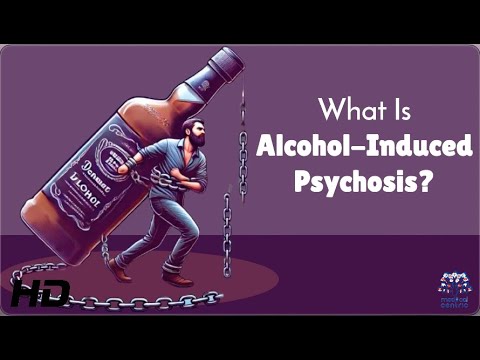
Hey! So, you know that feeling when you’ve had a few too many drinks and everything seems kinda fuzzy? Yep, that’s what I’m talking about. Alcohol-induced brain fog is real, and it can really mess with your head.
You wake up the next day, and it’s like trying to sift through cotton candy to find your thoughts. Seriously, it’s frustrating! And this isn’t just about feeling hungover. It can actually tie into your mental health in ways you might not expect.
Let’s chat about why that fog settles in the first place. And more importantly, how it affects you even when you’re sober. Because it’s not just a rough night; it’s way deeper than that!
Recognizing the Signs of Korsakoff Syndrome: Symptoms and Key Insights
Korsakoff Syndrome is one of those conditions that can sneak up on you, especially if alcohol has been a big part of life. Basically, it’s a serious brain disorder caused by a lack of thiamine (that’s vitamin B1, in case you’re wondering). This deficiency often pops up in heavy drinkers. So, how do you know if someone might be dealing with it?
First off, let’s talk about some **common symptoms** you might notice:
- Memory issues: This is probably the most well-known symptom. People with Korsakoff often have trouble forming new memories. You might see them telling the same story over and over without realizing it.
- Confabulation: This is when the person fills in memory gaps with made-up stories that they believe are true. It’s not lying; it’s their mind trying to make sense of things.
- Lack of insight: They may not even realize they have a problem. It’s like walking around in a fog and thinking everything is fine when it really isn’t.
- Cognitive impairment: This affects planning, reasoning, and problem-solving abilities. Imagine trying to juggle several things at once but only being able to hold onto one ball.
- Changes in personality: Some can become apathetic or show changes in mood. One moment they could be happy, and the next, they seem distant or uninterested.
Now let’s dig a bit deeper into how this all ties back to **alcohol-induced brain fog**. The brain runs on many nutrients—thiamine being key for memory and thought processes. When there’s too much alcohol for an extended time, it messes with the body’s ability to absorb these nutrients.
I once knew someone—let’s call him Mike—who was fun-loving but drank heavily for years. He always had great stories from his wild nights out but started forgetting important conversations we had just had days before. At first, I thought he was just being flaky or forgetful because he was busy with life stuff. But then he began mixing up recent events with memories from years ago! That was my red flag.
There are also physiological signs that can pop up with Korsakoff Syndrome:
- Poor coordination: Alcohol affects balance and motor skills already; add thiamine deficiency into the mix, and things can get tricky.
- Nerve damage: Alcohol-related nerve damage might occur too, leading to tingling or numbness in limbs.
The thing is, recognizing these signs early is crucial because intervention can lead to better outcomes. Treatment often involves getting some thiamine into the body—usually through supplements or injections—and addressing the alcohol use itself.
But remember… recovery isn’t always straightforward! Some people experience long-lasting effects even after stopping drinking.
So yeah, keeping an eye out for these symptoms can make a huge difference—not just for yourself but also for loved ones who may be struggling quietly under the weight of this condition. Recognizing them could just be the nudge toward getting help needed before things get worse!
Understanding Korsakoff’s Syndrome: Key Insights into Its Effects on Mental Health
Korsakoff’s Syndrome is a pretty intense condition, primarily linked to chronic alcohol misuse. It’s like this haze that clouds your memory and mental clarity, making it tough to navigate everyday life. So let’s break it down.
What is Korsakoff’s Syndrome? It’s actually a brain disorder, caused by a severe deficiency of thiamine (vitamin B1). This happens often in people with long-term alcohol dependence. When you drink heavily over time, your body doesn’t absorb nutrients effectively, and thiamine gets hit hard. Basically, without enough of this vitamin, your brain struggles to function properly.
Now here’s the kicker: not all heavy drinkers will develop Korsakoff’s. Some might just experience “alcohol-induced brain fog,” which is more of a temporary state where you feel foggy and forgetful after drinking heavily or bingeing. But for those who spiral into Korsakoff’s, things can get scary.
What are the symptoms? The syndrome can lead to severe memory issues, like
, where a person unknowingly creates false memories or fills gaps in their memory with made-up details. You know how sometimes you assume everyone remembers that one funny story? Well, with confabulation, someone might mix it up entirely and believe they’re recalling something that never happened.
Another symptom is
. This means struggling to form new memories after the onset of the condition. Imagine living your life but not being able to remember anything from yesterday or even last hour.
And there’s also
, which can wipe out memories from the past—like key events in your life that you should remember but can’t.
These effects really take a toll on someone’s mental health. It’s not just about forgetting things; it can lead to feelings of frustration and depression when you realize how much has slipped away. Picture this: someone who used to have vibrant relationships may find themselves isolated because they simply can’t recall important details about friends or family members.
Treatments are tricky. There aren’t any magic pills for Korsakoff’s Syndrome right now. Treatment usually focuses on nutritional support—yup, getting that thiamine back into the system—and therapy for mental health support. Though if caught early enough, some folks show signs of recovery over time.
Still, recovery isn’t guaranteed; some people may remain permanently affected by this syndrome if they don’t get help soon enough or stop drinking altogether.
This whole situation highlights just how deeply alcohol misuse can affect our minds and lives. It isn’t just a bad hangover; it’s a serious health issue with lasting impacts on mental health and overall well-being.
So yeah, understanding Korsakoff’s Syndrome sheds light on why it’s crucial to watch our alcohol intake because these aren’t just stories we hear—they’re real lives at stake.
Exploring the Long-Term Effects of Alcohol on Brain Function and Behavior
It’s no secret that alcohol can really mess with your brain. You know those times you feel like you’re in a fog after a night out? That’s just the tip of the iceberg. Let’s get into how long-term alcohol use can impact brain function and behavior, and why it might make you feel mentally sluggish.
First off, alcohol affects various parts of your brain. It hits the prefrontal cortex, which is responsible for decision-making. So, when you’ve been drinking regularly, you might notice you’re not making the best choices—or even worse, you’re kind of just going through the motions without really thinking about it.
Then there’s memory. A thing called hippocampus, which helps you form new memories, can shrink with long-term drinking. So you might struggle to remember where your keys are or what someone just told you. Think about that time at a party when someone shared a funny story and by morning, it was gone from your brain like it never happened.
Now let’s talk about mood. Alcohol messes with neurotransmitters—those little chemicals that help regulate emotions. A lot of people drink to cope with stress or anxiety, but long-term use can lead to an increase in feelings of depression and anxiety over time. It’s like trying to solve a problem but making it way worse instead.
And oh boy, brain fog. This is something many people report after heavy drinking over years—it can feel like trying to think through mud. You might find it hard to concentrate or stay focused on tasks that used to seem easy-peasy. It’s frustrating, isn’t it? Imagine wanting to read a book or finish that project but feeling like your brain just isn’t cooperating.
On top of cognitive effects, alcohol can also impact behavior significantly over time. Regularly consuming large quantities often leads people down paths they wouldn’t normally take—think risky behavior or even aggression in some cases. It’s seriously wild how something so common can alter your personality little by little without you even realizing.
So how do we tackle these issues? Getting sober or reducing your intake can help reverse some effects—but it’s not always an easy journey! And talking to professionals about mental health while navigating this is key for finding ways back to clarity and emotional stability.
In summary:
- Alcohol impacts decision-making abilities.
- It shrinks the hippocampus, affecting memory.
- Long-term use can worsen depression and anxiety.
- Brain fog makes focusing difficult.
- Your behavior may change unpredictably.
The thing is, understanding these long-term effects is crucial if you’re grappling with substance use issues yourself or supporting someone who is. Awareness goes a long way in taking steps toward healthier choices and reclaiming mental clarity!
You know that feeling when you’ve had one too many drinks? The next day, everything’s fuzzy and your brain feels like it’s wrapped in cotton. That’s what people often call alcohol-induced brain fog. It can hit hard, and honestly, it’s not just about the hangover.
Picture this: a friend of mine went out for a night of celebration. She had a blast, but the next morning, she struggled to remember conversations or even basic tasks. Simple things—like finding her keys or making breakfast—felt monumental. That fog was more than just physical; it messed with her mood too. She felt tired and irritable, almost like being stuck in slow motion while everyone else was racing ahead.
So why does alcohol do this? Well, alcohol can mess with your neurotransmitters—the chemicals in your brain that help transmit signals between nerve cells. When you drink heavily, it can disrupt balance in these chemicals. That’s what leads to feelings of confusion and disorientation.
But it doesn’t just stop at the hangover phase. Chronic drinking can contribute to longer-term issues like anxiety and depression. If you’re relying on booze to unwind or cope with stress, you might end up feeling worse over time—like a vicious cycle you can’t escape from. The thing is, while a few drinks might seem fun at first, they can leave lasting effects on your mental health.
I mean, nobody wakes up thinking they want to feel sluggish or down for days because of their choices the night before! It’s easy to overlook how our habits influence our mental state until we’re knee-deep in that fog ourselves.
So if you find yourself reaching for another drink because you think it’ll help ease stress or fit into social situations, maybe consider alternatives that won’t leave your brain feeling like it’s stuck in traffic. Sometimes taking a break from alcohol—even if it’s just for a little while—can clear up so much more than just your head; it can really brighten your overall mood too!