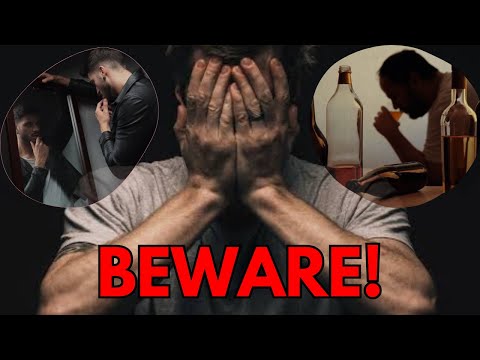
Ever met someone who just can’t stop talking about themselves? You know the type. The one who seems to live in their own little world, where they’re the star of the show. That’s narcissism for you.
Now, mix that with a drink or two, and things can get really interesting. Alcohol has this sneaky way of amplifying feelings and behaviors. So, what happens when you throw a little liquid courage into the mix with narcissism?
You might be shaking your head like, “Oh boy!” because it doesn’t always end well. Let’s chat about how these two can tango together in not-so-great ways.
Exploring the Link Between Alcoholism and Narcissism: Uncovering Hidden Connections
You know, when we talk about alcoholism and narcissism, it’s like opening a box of tangled strings. They’re not the same, but they can really mess with each other in fascinating ways. So, let’s unpack this a bit.
First off, **narcissism** is more than just being full of yourself. It involves a lack of empathy and an extreme need for admiration. These folks often inflate their self-importance and believe they are special or unique. Now, mix that with alcohol—something that can act like a social lubricant but also tends to amplify emotions and behaviors.
When someone with narcissistic traits starts drinking heavily, there are a few things that can happen:
- Increased impulsivity: Alcohol can lower inhibitions and lead to reckless decisions. A narcissistic person might engage in risky behaviors without thinking about the consequences.
- Escalation of grandiosity: Instead of toning down their self-importance, intoxication might push them into an even more inflated sense of self-worth.
- Avoidance tactics: Alcohol becomes a way for them to escape feelings or situations they can’t handle because acknowledging vulnerability is tough for someone who sees themselves as invincible.
It’s kind of like this—imagine someone who really struggles to get through their day-to-day stuff without feeling superior. They pop open a few drinks to smooth over those nagging insecurities. But instead of dealing with those feelings head-on, they drown them out, and that can spiral outta control real fast.
On the flip side, alcoholism often leads to relationship problems—like trust issues or conflicts—which are particularly intense for narcissists who thrive on being admired and revered by others. So when their substance use creates chaos in relationships, it’s not just annoying; it feels like a threat to their carefully crafted identity.
There was this friend I had once—a classic over-achiever on the work front but also struggled with heavy drinking. He would have these wild parties where he was the life of the event one moment and then become abrasive when anyone dared to challenge his opinions or remind him he wasn’t perfect. It was hard not to see how his drinking directly fed into his need for constant affirmation while simultaneously making him incredibly hard to be around.
When you think about therapy approaches for people dealing with these intertwined issues, it gets tricky too. Traditional treatments may focus on alcohol addiction separately from underlying personality issues like narcissism; however, addressing both at once could be key. Cognitive Behavioral Therapy (CBT) has been shown effective at helping change thought patterns associated with both addiction and narcissistic traits—like helping individuals understand why they crave validation from others while figuring out healthier ways to cope.
So yeah, alcoholism doesn’t just sit by itself; it interacts deeply with traits like narcissism in complex ways that affect relationships and emotional wellbeing. When you get right down to it, acknowledging these connections can really make a difference in therapy outcomes—for both the person affected and those around them too!
Understanding the Effects of Alcohol on Narcissistic Behavior: What to Expect
Alright, let’s talk about alcohol and its connection to narcissistic behavior. It’s pretty interesting, honestly, how these two things can mix. You might have noticed someone who drinks too much suddenly get all loud and self-centered, like, all they can think about is themselves. That’s not just in your head; there are some real dynamics at play here.
Narcissism is that personality trait where someone has a huge need for admiration and an inflated sense of self-importance. When alcohol steps in, it can amplify those nitty-gritty feelings. Also, it lowers inhibitions. So when you mix the two? Yeah, you’re in for a ride.
- Alcohol as a Social Lubricant: Imagine someone who’s already got a touch of narcissism hitting happy hour. They might become even more charming or boastful after a few drinks. It’s like their ego gets supercharged.
- Increased Aggression: Alcohol can also fuel aggressive tendencies. If a person with narcissistic traits feels slighted at the bar—like someone doesn’t give them the attention they want—their reaction might be over-the-top and defensive.
- Poor Emotional Regulation: People with narcissistic behaviors often struggle with their emotions anyway. Throw alcohol into the mix, and it gets messy fast—think mood swings or sudden crying spells followed by rage.
- Ineffective Coping Strategies: Some people use alcohol to deal with stress or rejection. A narcissist might drink to mask feelings of inadequacy or failure but only ends up exacerbating those feelings when they’re sober again.
You see this cycle play out often: drink to forget your problems, act out because you feel tough behind that liquid courage, then face a harsh reality when sober kicks back in—ouch!
A buddy of mine once told me about his experiences with his roommate who had a heavy drinking habit combined with serious narcissistic traits. One night at a party, things spiraled out of control when his roommate didn’t get the attention he craved from others; he ended up storming off in anger and knocking over tables! The next day? Total denial about what happened—classic sign of those inflated self-views colliding with reality.
The thing is—and this is key—alcohol doesn’t create narcissism; it just highlights it or makes those traits worse temporarily.Like turning up the volume on an already loud song.
If you’re dealing with someone who has both issues, navigating interactions could feel like walking on eggshells sometimes. You never know when they’ll go from being charming to explosive without warning—all fueled by that drink in hand!
So basically? Pay attention to those behaviors if you’re hanging out with someone who’s combined these two factors regularly. It could save you from unnecessary drama! And if you’re concerned about someone’s drinking habits or emotional issues related to this behavior? Encourage them to seek help—it’s totally possible to work through this stuff together!
Effective Strategies for Coping with a Narcissistic Alcoholic: A Guide to Protecting Your Mental Health
Coping with a narcissistic alcoholic can feel like walking through a minefield. Seriously. You’re juggling their erratic behavior, emotional roller coasters, and the heavy weight of their drinking. It’s tough on anyone’s mental health! But there are ways to manage this. Here are some strategies you might find helpful.
Establish Boundaries
One of the first things you need to do is set clear boundaries. This isn’t just about saying “no” when they ask for things. It’s about knowing what behaviors you will and won’t tolerate. For example, if they get verbally abusive when drunk, you might decide to leave the room or even the house until they’re sober again. This protects your sanity and sends a message: their behavior has consequences.
Educate Yourself
Understanding narcissism and alcoholism can help you figure out what you’re dealing with. Narcissists often crave attention but lack empathy, while alcohol can amplify those traits, making them act out even more dramatically. Knowing this means you won’t take their actions as personally—and that’s huge! It helps in not internalizing their hurtful comments or behaviors.
Practice Self-Care
You’ve got to look after yourself! This is like putting on your oxygen mask first before helping others on a plane, ya know? Take time for activities that recharge you—yoga, meditation, or just binge-watching your favorite show! Whatever works for you—make it a priority because your mental health needs it.
Seek Support
Connect with people who understand what you’re going through. This could be friends, family or even support groups specifically for those dealing with addiction in loved ones. Sharing experiences can lighten your load and help validate what you’re feeling.
Communicate Clearly
When talking to someone who’s both narcissistic and an alcoholic, clarity is key. Use “I” statements rather than pointing fingers; say things like “I feel overwhelmed when…” instead of “You make me feel…”. This reduces defensiveness on their part—even if it doesn’t always work.
Know When to Walk Away
This may be the hardest part but sometimes stepping away is necessary for your own well-being—especially if they refuse treatment or continue harmful patterns despite your best efforts to help them change. Recognizing when it’s too much is vital; sometimes love means letting go.
These strategies won’t magically fix everything overnight; change takes time and effort from both sides (if they’re willing). But by protecting yourself mentally and emotionally, you’re giving yourself a fighting chance in this challenging relationship landscape!
Narcissism and alcohol, huh? That’s a pretty intense combo. I mean, when you think about it, it’s like mixing fire and gasoline. Both have their own set of challenges, but together? They can really create some chaos.
So, let’s break this down a bit. Narcissism is often about self-importance, you know? It’s that feeling that you’re the main character in your own movie, and everyone else is just there to support your plot. People with narcissistic traits can be charming and charismatic at first. But if you’ve ever dealt with someone like that—you probably know how exhausting it can be. They crave admiration and often lack empathy for others.
Now toss in alcohol. Alcohol has this way of lowering inhibitions—it might seem fun for an evening out or at parties. But for someone dealing with narcissism, getting tipsy can amplify those grandiose feelings or even lead to recklessness. I remember a friend who used to drink heavily when he was stressed about work, but instead of mellowing out, he’d end up talking non-stop about his accomplishments or how people “just don’t get him.” It got old fast.
And here’s the kicker: alcohol doesn’t just fuel the fire; it can also make underlying insecurities bubble to the surface. Someone who feels invincible when they’re sober might become vulnerable and defensive when drinking—switching from “I’m amazing!” to “Why doesn’t anyone appreciate me?” in a heartbeat. That emotional rollercoaster isn’t exactly fun for their friends or family either.
It’s tough because so many people use alcohol as an escape from reality or to cope with their feelings. Narcissistic folks might use drinks as a shortcut to feeling better—like a mask they wear so they don’t have to confront their deeper issues. But on the flip side, over time that escape can turn into dependence or addiction.
So where does this leave us? It’s not like every person with narcissistic traits drinks excessively or vice versa. But there’s definitely something worth paying attention to there—you feel me? If narcissism and alcohol are in play together, they could lead someone down a pretty dark path where relationships get strained and self-esteem takes a nosedive.
Finding healthy ways to deal with those feelings is key—maybe through therapy or support groups instead of relying on liquid courage. Reaching out isn’t always easy, especially if you’re used to being the one in control of everything around you—but it’s definitely worth considering if you want real connections instead of shaky ones fueled by booze.
Just remember—even if things get rough sometimes, taking steps toward understanding yourself better is always worth it!