So, you know those nights when your mind just won’t chill out? You toss and turn, and all those racing thoughts keep you wide awake. It’s like your brain’s having a party, but you didn’t get the invite.
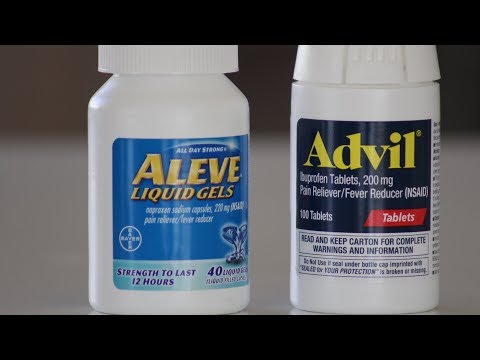
Yeah, anxiety can really mess with your sleep. And sometimes, it feels like nothing helps. That’s where Aleve PM comes in.
It’s not just about aches and pains; it might play a little role in calming that chaotic mind of yours too. But how does it work for anxiety? Let’s chat about that, shall we?
Can Aleve Help Relieve Anxiety? Exploring the Connection Between Pain Relief and Mental Well-Being
So, let’s chat about Aleve and if it can help with anxiety. First off, Aleve is a pain reliever. It’s really good for headaches, backaches, or just general aches and pains. But you might be wondering, does it also do something for anxiety? Let’s break this down.
Pain and Anxiety: The Connection
You see, there’s a pretty interesting link between physical pain and mental health. When you’re in pain, it can make everything else feel heavier. Anxiety often follows because your body is already on high alert. It’s like when you stub your toe; suddenly everything feels overwhelming.
If you’re in chronic pain—like migraines or arthritis—that persistent discomfort can seriously ramp up feelings of anxiety or depression. So, managing that pain could potentially lighten your mental load as well.
Aleve PM: What’s the Deal?
Now, Aleve PM combines naproxen sodium (the main ingredient in Aleve) with diphenhydramine, an antihistamine that helps you sleep. Sleep issues are frequently tied to anxiety; if you’re tossing and turning all night worried about tomorrow’s meeting or that weird thing you said last week, getting some solid Zs can boost your mood.
- Reduced Pain: When you’re less achy from whatever’s bothering you, there might be room to breathe a little easier mentally.
- Sleepless Nights: If anxiety is messing with your sleep patterns, Aleve PM could help knock out both issues for some people.
The Downsides
But hey, don’t get too carried away thinking this is a magic fix. Just because it helps with some symptoms doesn’t mean it’ll solve the bigger picture of anxiety disorders.
For one thing, relying on medications like Aleve PM too often could lead to more problems—like dependence on sleep aids—and masking underlying issues instead of addressing them squarely.
And let’s not forget about side effects! Some folks might feel drowsiness or have other reactions that aren’t exactly pleasant.
What To Keep In Mind
If you’re considering using Aleve PM for anxiety management—or even just for better sleep—you should definitely have a chat with your healthcare provider first. They can help make sure it’s safe and right for you based on your individual situation.
Remember: self-care goes beyond just taking meds. Incorporating relaxation techniques like meditation or talking to someone about what you’re feeling can also work wonders alongside any medication.
In short? While Aleve may offer some relief from physical pain which could indirectly lighten anxieties by improving sleep quality with Aleve PM particularly—it’s not designed to specifically tackle anxiety itself. Always reach out to a professional who understands the nuances of mental health before making any decisions!
Exploring the Role of Naproxen in Managing Anxiety: Can Pain Relief Medication Help?
When it comes to managing anxiety, many people think about therapy or medication specifically designed for mental health. But you might be surprised to learn that some common pain relief medications, like naproxen, could also play a role. Yep, we’re talking about something you might usually reach for when you have a headache or body ache.
So let’s break this down a bit. Naproxen is a nonsteroidal anti-inflammatory drug (NSAID). This means it helps reduce inflammation and relieve pain by blocking certain chemicals in your body that promote inflammation and pain signals. You’ve probably heard of it under brand names like Aleve or Aleve PM, which combines naproxen with diphenhydramine for those sleepless nights.
Now, how does this tie into anxiety? Well, there’s some research suggesting that chronic pain can feed into anxiety symptoms. If you’re constantly dealing with physical discomfort, it can totally spiral your mental wellbeing in the wrong direction. So managing that physical pain could potentially help ease some of the emotional strain too.
Here’s where it gets interesting: while naproxen isn’t specifically an anxiety medication, by reducing physical discomfort and allowing you some peace from constant pain, it may create an environment where you’re less likely to feel anxious. Imagine if you’re dealing with tension headaches; taking something like naproxen might make those feelings of tightness fade away. Suddenly it’s easier to breathe and think clearly, right?
However, it’s not a cure-all. Using naproxen—or any NSAID—has its own set of potential side effects like stomach issues or an increased risk of heart problems if taken long-term. And hey, not everyone reacts the same way to these medications! Just because someone found relief doesn’t mean it’ll work for everybody else.
Also consider how sleep plays into this whole thing. Many folks dealing with anxiety struggle with sleep disturbances too (we’ve all been there). That’s where Aleve PM comes into play—it includes diphenhydramine, which is commonly used as a sleep aid. However, relying on something like this consistently isn’t ideal for long-term management.
So yeah, while naproxen can help manage physical symptoms that might be exacerbating your anxiety—like chronic pain—it’s not really designed specifically for treating anxiety itself. It’s kind of like wearing two hats: one for physical relief and another that touches on emotional wellbeing indirectly.
In summary:
- Naproxen is an NSAID effective at reducing inflammation and pain.
- The link between chronic pain and anxiety means managing one could help the other.
- Aleve PM adds a sleep aid, but don’t rely on it long-term for anxious nights.
- Know your limits: every med comes with potential side effects.
Always remember—you should talk things over with your doctor before mixing up treatments for mental health concerns. It’s all about finding what works best for you personally!
Exploring the Effects of Diphenhydramine on Anxiety: Can This Common Antihistamine Help?
Diphenhydramine is one of those little wonders that you can find in many over-the-counter medications, including Aleve PM. Mostly known as an antihistamine, it’s often used for allergies and to help with sleep. But what about anxiety? Can this common drug really lend a hand when you’re feeling overwhelmed?
To understand this, let’s break it down. Here’s the deal: diphenhydramine works by blocking histamine receptors. Histamine is a chemical in your body that plays a big role in your immune response and is also involved in regulating sleep. When you block it, you might feel more relaxed or drowsy—it’s like turning down the volume on your nervous system.
Now, when we talk about anxiety, we’re diving into a whole different ball game. Anxiety can feel like this constant buzzing in your brain, where your thoughts race and everything seems magnified. So could diphenhydramine actually help calm those nerves a bit? Some people do say it helps them feel less anxious because of its sedative effects.
But here’s where things get tricky—you know? Using diphenhydramine for anxiety isn’t really encouraged by mental health pros. Why? Well, there are potential downsides:
- Tolerance: Your body might get used to it over time, making it less effective.
- Side Effects: It can cause drowsiness the next day, dry mouth, or even confusion.
- Dependency: You might end up relying on it too much as a crutch for anxiety instead of addressing the root causes.
So say you’ve had a rough week—maybe work stress has you feeling jittery every evening. You take some Aleve PM to knock out those restless nights thinking it’ll help with both pain and worry. Sure enough, you may feel blissfully dozy after taking it but waking up groggy might leave you feeling more anxious later on.
Then there’s the fact that while diphenhydramine could chill out those anxious feelings temporarily during the day (yeah, some folks do use it that way), it’s not addressing what’s really going on inside your head long-term.
If anxiety’s knocking louder and louder at your door every day like it’s got no manners, consider looking into other methods of managing it instead. Talking to someone—a therapist or counselor—could be like finding that friend who always knows how to lift your spirits when you’re down.
You see? Using something like diphenhydramine for anxiety may provide short-term relief but isn’t usually tackled as a smart long-term strategy by medical professionals. It’s important to find solutions that truly suit your mental health landscape—ones that don’t just mask symptoms but genuinely support your well-being.
So next time you’re weighing options for dealing with anxiety and think about reaching for something like Aleve PM because of its diphenhydramine content, remember there’s always more to explore beyond just what’s easy and convenient. There are healthier methods waiting in the wings!
You know, when you think about anxiety, it’s usually all about the mind—racing thoughts, tightness in your chest, that feeling like you’re constantly on edge. But what a lot of people might not realize is that sometimes physical discomfort plays a role too. That’s where something like Aleve PM comes into the picture.
Aleve PM contains naproxen and diphenhydramine. Basically, it’s an over-the-counter combo that helps relieve pain and acts as a sleep aid. I remember when a friend of mine was going through a really tough time with anxiety. She’d lie awake at night, her mind swirling with worries, and her back would start hurting from all the tension. That’s when a doctor recommended she try Aleve PM to help ease those physical symptoms and get some decent rest.
So here’s the thing: Less sleep can definitely make your anxiety worse. It’s like this vicious circle—you can’t sleep because you’re anxious, and then you’re more anxious because you didn’t sleep well last night! Taking something like Aleve PM might help break that cycle just a little by providing relief from pain and knocking some of those restless thoughts out for the night.
Of course, it’s not a cure for anxiety itself—let’s be real about that. You wouldn’t want to rely on it as your go-to fix every time you’re feeling anxious or in pain. It’s more like a little boost while working on deeper strategies—like therapy or mindfulness exercises—to tackle the root issues head-on.
But seriously, sometimes just getting a few hours of solid sleep can help clear your head enough to face whatever’s been eating at you during the day. If you think about it that way, Aleve PM can serve as a useful tool in managing those pesky symptoms associated with anxiety—for some people anyway.
It’s always best to talk to someone who knows their stuff before mixing any meds with your mental health management strategy. Everyone’s different, after all! Just remember: You’re not alone in this journey; there are lots of ways to find balance and peace if things get heavy.