You know that feeling when you’re just trying to figure yourself out? Yeah, we’ve all been there. It’s like, one minute, you’re on top of the world, and the next, you’re in a funk wondering what’s wrong.
That’s where something like the MBTI—Myers-Briggs Type Indicator—comes into play. It breaks down personality types into these neat little categories. But here’s the thing: it’s not just some fun quiz you take to see if you’re an introvert or extrovert.
It’s kinda fascinating how these types can shape our mental health and personal growth. Like, your personality might color how you handle stress or connect with others.
So, ever thought about your type? Or how it affects your day-to-day feelings? Let’s chat about it!
Exploring the Link Between Personality Types and Mental Illness: Which Traits Make You More Vulnerable?
Understanding how your personality type might connect with mental health issues is pretty interesting. Some personality traits can make you more vulnerable to certain conditions. So, let’s chat about that.
First off, personality types like those in the **MBTI** (Myers-Briggs Type Indicator) can give us some clues. It’s not a strict rule, but it helps to see patterns between traits and mental health risks. Here are some common links:
Of course, other factors play into this whole mix: life experiences, environment, and genetics are big players too.
But yeah, having certain traits doesn’t mean you’re destined for mental illness; it just means awareness is key! Recognizing how you function can help in seeking support when you need it.
Now imagine someone who identifies as an INFP (a dreamy idealist). They often feel deeply but tend to avoid conflict at all costs. This avoidance could lead them down a path of unexpressed emotions bubbling up over time—maybe even contributing to anxiety or depression if left unchecked.
On the flip side, someone who scores high as an ENTJ (the natural leader) might face challenges related to stress management if they’re constantly pushing others—and themselves—to achieve their goals without considering emotional impact.
The link between personality traits and mental health isn’t black-and-white. It’s all about the individual journey and how these traits play out in real life scenarios—you know? So while exploring your MBTI type may offer insights, keep in mind you’re way more complex than just a designation on paper!
Ultimately it’s about finding balance and being kind to yourself along the way—because hey! Life can throw curveballs no matter what your personality type is!
Exploring the Connection Between MBTI Types and Depression: Which Personalities are Most Vulnerable?
Alright, let’s chat about the connection between MBTI types and depression. It’s a fascinating topic, and honestly, it can feel pretty overwhelming. So, we’ll break it down together—maybe grab some popcorn?
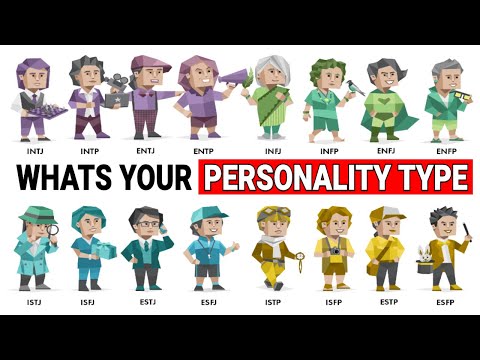
First off, the **MBTI**, or Myers-Briggs Type Indicator, is this personality assessment that categorizes people into 16 different types based on preferences in four areas:
The thing is, each type has its strengths and weaknesses, right? And those traits can really play into how someone might experience feelings of depression or anxiety.
Now, some studies suggest that certain MBTI types seem to be more vulnerable to depression. For instance, **Introverted Feeling types** like INFPs and ISFPs often feel deeply but may struggle to express those emotions. They could bottle things up until they get overwhelmed by sadness or hopelessness.
Take Sarah—a friend of mine who’s an INFP. She’s got this artistic soul and tends to think deeply about life and her relationships. But when she’d face tough times, she’d retreat into herself instead of reaching out for help. That isolation made her feelings of sadness even heavier.
On the flip side, **Extraverted Feeling types**, like ESFJs or ENFJs, might feel a strong need to support others but can neglect their own emotional health in the process. They often prioritize harmony in relationships; if things go wrong or if there’s conflict, they can end up feeling huge amounts of stress which might lead to depressive symptoms.
And then you’ve got the **Intuitive types**—ENFPs and INTPs among them—who have these rich inner worlds but might struggle with practical everyday issues like routines or responsibilities. If you’re constantly dreaming big but not following through on those dreams? That disconnect can lead to feelings of frustration and even depression.
But hey, let’s not forget—personality isn’t everything! Environmental factors play a big role too. Things like your support systems at home and work stress can really shape mental health outcomes just as much as your personality type does.
So basically? While there are trends among specific MBTI types when it comes to vulnerabilities for mental health issues like depression, every single person is unique! It’s essential to look at each individual holistically rather than just through the lens of their MBTI profile.
In short:
So next time you’re vibing with someone based on their MBTI type—or maybe even reflecting on your own—it’s good to remember that our personalities are just one piece of a bigger puzzle when it comes to mental health!
Unlocking Your Personality: A Comprehensive Guide to the MBTI Test and Its Insights
The MBTI test, or Myers-Briggs Type Indicator, is like a personality quiz that helps you figure out how you perceive the world and make decisions. You know, it’s interesting because people often use it to understand themselves better or to improve their relationships with others. Basically, the test sorts you into one of 16 different personality types based on four pairs of opposing traits:
- Introversion (I) vs. Extraversion (E)
- Sensing (S) vs. Intuition (N)
- Thinking (T) vs. Feeling (F)
- Judging (J) vs. Perceiving (P)
So, what does all that actually mean for your mental health? Well, let’s take a look at each dimension.
If you’re an **Introvert**, you might recharge by spending time alone while **Extraverts** gain energy from social interactions. This can influence how you deal with stress or anxiety. Introverts might feel overwhelmed in loud situations, while extraverts could struggle without human connection.
When we talk about **Sensing** and **Intuition**, it gets real interesting! Sensing folks focus on the present and detail-oriented tasks—great for those practical jobs—while intuitive types are big picture thinkers who may thrive in creative roles. Understanding where you stand can help you pick work or hobbies that feel less draining.
Then there’s **Thinking** versus **Feeling**. A Thinking type tends to make decisions based on logic and objective criteria—think of someone who’s great at crunching numbers! Feeling types lean towards empathy and personal values in decision-making; they may find fulfillment in helping others but can become stressed if they feel they’re not making an impact.
Finally, let’s chat about **Judging** and **Perceiving** styles. Judgers like structure—they’re usually organized and prefer planning ahead—whereas Perceivers are more spontaneous and adaptable. Knowing this can shape your daily routine or influence how you approach challenges.
Let me share a quick story: I have a friend who’s a classic INFP, which means they’re introverted, intuitive, feeling, and perceiving. They used to struggle with choosing between jobs because they felt torn between their creative passions and the practical side of life. But once they understood their MBTI type better, they realized it wasn’t just about picking any job; it was important to find something that aligned with their values—even if it was unconventional!
So yeah, diving into your personality type isn’t just some fun activity—you can seriously gain insights into yourself! It helps with self-growth too because recognizing your strengths can guide personal development goals while also showing areas where support might be needed.
In summary, the MBTI isn’t definitive; it’s more like a tool for self-reflection rather than a strict label to box yourself into. You get a better understanding of your preferences and how those affect your mental health journey!
You know, the MBTI, short for Myers-Briggs Type Indicator, has been a big deal when it comes to understanding ourselves and each other. It’s like having a personality map that can help you navigate the messy terrain of mental health and personal growth.
Each type brings its own flavor to the mix. For instance, if you’re an INFP, you might be naturally introspective and sensitive to your feelings, which can be a double-edged sword, right? You might have this amazing depth of empathy but also struggle with feeling overwhelmed by emotions. It’s like being in a beautiful forest but getting lost in it sometimes.
Then there are the extroverted types like ENFJs who thrive on connection and social interaction. But hey, if things go south—like a falling out with friends—it could really hit hard on their mental health because their world kinda revolves around those relationships.
I remember my friend Sam, an INTJ. He used to feel really isolated because he processed things so differently than his more extroverted buddies. For him, understanding his personality helped him realize he wasn’t “broken” for needing alone time; he just needed that space to recharge and think through things at his own pace.
The way these types influence growth is pretty fascinating too. Some folks might lean more toward structured approaches due to their judging nature while others prefer adaptability because they’re perceivers. Each type has its strengths and weaknesses when it comes to personal development. If you’re an ESFP full of zest for life but maybe not so great at seeing long-term goals, recognizing that can help you find strategies or support systems to balance that out.
But let’s not forget—they’re just tools! They don’t define who you are entirely; they’re meant to guide you in understanding yourself better and maybe even give insight into how you can cope with stress or challenges more effectively.
When it all boils down to it, knowing your MBTI type—or even just taking the time to consider how different personality traits affect your mental health—can be super enlightening! It’s about finding ways that work for you in managing those emotional storms and celebrating those strengths too. So yeah, embrace whatever quirks come with your type! Growth is all about learning how to ride those waves rather than battling them head-on.