Hey there! You know how life can throw you some serious curveballs? Anxiety, depression—they can hit hard. It’s rough out there sometimes.
So, let’s chat about two big players in the mental health game: Alprazolam and SSRIs. Ever heard of them?
Alprazolam is like that fast-acting buddy who swoops in when you’re feeling totally overwhelmed. SSRIs, on the other hand, are more like a steady friend who helps you deal with stuff over time.
Both have their roles and it’s super important to understand how they fit into the whole mental health picture. Ready to dig in? Let’s go!
Understanding Alprazolam: Uses, Benefits, and Effects on Mental Health
Alprazolam, often known by its brand name Xanax, is a medication used primarily to treat anxiety and panic disorders. It belongs to a class of drugs called benzodiazepines. These meds work by enhancing the effect of a neurotransmitter in the brain called GABA. You could think of GABA like a calming friend in your head, helping to reduce feelings of stress and anxiety.
One thing to keep in mind is that alprazolam can be super effective for quick relief from anxiety symptoms. Like, if you’re facing an overwhelming situation like public speaking or a stressful exam, it can help you feel more at ease. But here’s the catch—this isn’t usually a long-term fix.
Now, let’s talk benefits. Some benefits include:
- Rapid action: People often notice its effects within an hour.
- Short-term relief: Great for acute anxiety episodes.
- Fewer side effects: Compared to some other meds, people may tolerate it better.
However, there are downsides too. Dependency can become an issue if it’s used for a long time or not as prescribed. You know how sometimes you really crave that second slice of cake? With alprazolam, the craving for more can happen, leading to potential misuse.
So what about its role with SSRIs? SSRIs are selective serotonin reuptake inhibitors—these guys help increase serotonin levels in your brain and are commonly prescribed for depression and chronic anxiety. While alprazolam gives you fast-acting relief, SSRIs take longer to kick in but tackle the root problem over time.
Let’s say you’re dealing with generalized anxiety disorder (GAD). A doctor might prescribe an SSRI like fluoxetine for long-term management while using alprazolam during flare-ups. Imagine feeling anxious before an important meeting; taking alprazolam could help calm those nerves right before you walk into that room, while the SSRI works behind the scenes on improving your overall mood over weeks or months.
But here’s where it gets tricky: mixing these medications should always be done under medical supervision. They can interact in ways that might not be safe for everyone—so definitely don’t play doctor here!
Additionally, stopping alprazolam suddenly can lead to withdrawal symptoms like increased anxiety or panic attacks—a rollercoaster ride no one wants! So if you ever need to stop taking it, talk with your healthcare provider about tapering down gradually.
In short, alprazolam has its place as a quick fix for anxiety but isn’t meant for long-term use on its own. Pairing it with SSRIs might provide comprehensive care when managed correctly. It’s all about finding what works best for your individual needs!
Understanding the Risks: Can You Safely Combine SSRIs and Benzodiazepines?
Combining SSRIs and benzodiazepines is like mixing oil and water; sometimes it can be useful, but you gotta tread carefully. So, let’s break this down.
SSRIs, or selective serotonin reuptake inhibitors, are often used to treat anxiety and depression. They work by increasing the level of serotonin in your brain, which helps improve mood. Common examples include fluoxetine (Prozac) and sertraline (Zoloft). But then there are benzodiazepines like alprazolam (Xanax). These guys act differently—they’re typically prescribed for short-term anxiety relief because they provide quick effects by calming the nervous system.
Now, here’s where things get tricky. When you take both SSRIs and benzodiazepines together, there’s potential for increased side effects. You could experience heightened sedation or dizziness since both medications depress the central nervous system to some degree. That can make activities like driving or operating machinery downright dangerous.
But why do doctors sometimes prescribe them together? Well, it’s often about managing symptoms effectively. Sometimes folks might start on an SSRI to handle long-term anxiety or depression but need immediate relief for severe panic attacks or anxiety spikes; that’s when a benzodiazepine might come into play. So basically, it can be a short-term strategy while waiting for the SSRI to kick in.
However, there are important risks involved:
- Tolerance: The more you use benzodiazepines, the less effective they may become over time.
- Dependence: There’s a risk of becoming reliant on these medications—a tough spot to be in if you’re trying to wean off them later.
- Withdrawal Symptoms: Stopping benzodiazepines suddenly can lead to intense withdrawal effects—like anxiety rebound or even seizures in severe cases.
So where does that leave us? It’s crucial to keep communication open with your healthcare provider. If you’re prescribed both medications, they should monitor your situation closely. Make sure you discuss any side effects you feel because everyone reacts differently—what works well for one person might not work at all for another.
There’s also something else worth mentioning: always consider non-medication options as part of your mental health journey. Therapy can be an amazing ally in dealing with anxiety and depression without the extra baggage that comes from mixing medications.
In essence, combining SSRIs and benzodiazepines isn’t a black-and-white issue; it requires careful thought and ongoing dialogue with your doctor about risks versus benefits. You want to find what feels right without putting yourself at unnecessary risk!
Understanding SSRIs: How Selective Serotonin Reuptake Inhibitors Impact Mental Health
So, let’s chat about SSRIs, which stands for *Selective Serotonin Reuptake Inhibitors*. They’re a big deal in the mental health world, especially for folks dealing with depression and anxiety. You might have heard of some common ones like fluoxetine (Prozac) or sertraline (Zoloft).
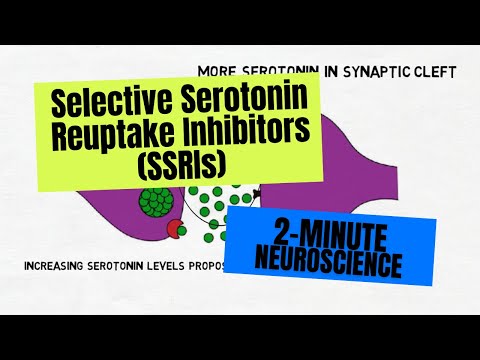
Basically, SSRIs work by increasing the amount of serotonin in your brain. Serotonin is a neurotransmitter that helps regulate mood, and when it’s low, you can feel pretty crummy—think sadness or anxiety creeping in. By blocking the reuptake of serotonin, SSRIs help keep more of it floating around in your brain where it can do its job better. This is super important because a lot of mental health issues are linked to serotonin levels.
Now, here’s the thing: SSRIs are not a quick fix. When you start taking them—like alprazolam for anxiety—it can take several weeks to really notice any changes. So if you’re feeling impatient, don’t worry; that’s totally normal. But once they kick in? They can really make life feel more manageable.
But wait! It’s crucial to remember that not everyone responds to SSRIs the same way. Some people find them helpful while others might experience side effects or find they don’t work as well for them. Side effects can range from mild (like nausea or headaches) to more bothersome stuff like weight gain or sexual dysfunction. That’s why keeping in touch with your doctor about how you’re feeling is super vital.
Now you might be wondering: What about alprazolam? It’s a benzodiazepine used mainly for short-term treatment of anxiety and panic disorders. Unlike SSRIs, it works quickly—like within hours—by depressing the nervous system to create a calming effect. So while SSRIs take time to build up in your system, alprazolam offers fast relief but can be addictive if used too long.
And this is where things get tricky: some folks end up taking both SSRIs and alprazolam together under a doctor’s supervision. The combo can help balance out immediate anxiety symptoms while also addressing longer-term mood issues tackled by SSRIs.
However, mixing these meds isn’t always straightforward. It’s essential to have open conversations with healthcare professionals about any concerns or side effects you might experience along the way. Never hesitate to reach out if things feel off!
In summary:
- SSRIs boost serotonin, improving mood over time.
- They take weeks to show consistent results.
- Alprazolam works quickly but can be addictive.
- User experiences vary widely; what works for one may not work for another.
- Stay connected with your doctor throughout treatment.
You know how mental health struggles can feel isolating? Just remember that you’re not alone on this journey! Finding the right support and treatment takes time—be patient with yourself as you navigate this road ahead.
Alprazolam and SSRIs, huh? So, you’re probably wondering what’s the deal with these medications and how they fit into the whole mental health picture. Well, let me break it down a bit.
Alprazolam is part of a class of drugs called benzodiazepines. Basically, it’s used to help people calm down when they’re feeling super anxious. You know those moments when your heart races, your palms sweat, and the world just feels like too much? Alprazolam can be like that instant relief in those overwhelming situations. But here’s the thing—while it can be effective initially, it’s not usually a long-term solution. People can build a tolerance to it pretty quickly, which means they might need more over time to get the same calming effect.
On the flip side, SSRIs, or selective serotonin reuptake inhibitors, are often prescribed for things like depression and anxiety too. They work by increasing levels of serotonin in your brain—a chemical that plays a big role in mood regulation. You might think of SSRIs as more of a long-haul strategy since they take some time to kick in—like weeks rather than hours—but many folks find them really helpful for stabilizing moods over time.
Let me share an example: A friend of mine was going through an intense period of anxiety after losing her job. At first, her doctor prescribed alprazolam to help her manage those sudden panic attacks while she looked for another job. It worked wonders at first! But soon enough, she noticed she needed to take more and more just to feel calm again—and that worried her. Her doctor then suggested switching to an SSRI as a way to help manage her overall anxiety in a steadier fashion. It took some time for it to work its magic, but eventually, she felt much better.
So here’s where things get interesting: both alprazolam and SSRIs have their place in treatment but serve different purposes within your mental health journey. It’s like choosing between band-aids for immediate pain versus building stronger foundations for long-term wellness—you wouldn’t choose one over the other; you’d want both when necessary.
Of course, everyone’s story is different! What works well for someone might not be right for another person at all. It really comes down to personal experiences and how these meds fit into a broader treatment plan which often includes therapy and lifestyle changes too.
At the end of the day? Mental health is super complex—a bit messy even—but understanding these medications helps navigate through that landscape just a little easier.