You know, the mind is a pretty wild place. Sometimes it feels like you’re just a jumble of different people or moods. Crazy, right?
Imagine being in therapy, and your therapist is helping you unpack all those layers. It’s not just about one “you.” There are these alternate personalities hanging out in there, each with their own quirks and stories.
It can be kinda overwhelming. Or maybe even a bit confusing? But that’s where things get interesting.
Let’s dig into how this all works and why it matters. Trust me, it’s like peeling an onion—lots of tears but also some real gems hidden inside!
Mastering Interpersonal Dynamics: A Guide to Navigating Different Personalities Effectively
Navigating the world of interpersonal dynamics can be tricky, especially when it comes to understanding different personalities. You know, everyone has their own quirks, communication styles, and emotional responses. Sometimes it feels like a minefield out there! But mastering these dynamics can lead to better relationships and a more peaceful life.
First up, let’s talk about **personality types**. It’s essential to recognize that there are various frameworks out there—like the Myers-Briggs Type Indicator or the Big Five Personality Traits. Each framework helps categorize people based on characteristics like openness or agreeableness. Understanding these can give you insight into someone’s behavior. For instance, if you’re dealing with a high ‘neuroticism’ person, they might react more emotionally in stressful situations.
Now, when you meet someone with a different personality than yours, things can get awfully complicated. For example, imagine you’re an introverted person interacting with an extrovert who thrives on social interaction. You might feel drained just watching them chat away! Awareness is key. Recognizing these differences allows you to adjust your approach without stepping on toes.
Next comes **communication**—probably the most important skill in navigating interpersonal dynamics. Everyone has their unique way of expressing themselves and interpreting information. Some folks appreciate directness; others prefer a softer touch. You might encounter someone who only responds well to positive reinforcement. So instead of saying “You need to fix that,” try something like “You’ve done such great work; maybe this little tweak could make it even better.”
Another point is emotional intelligence (EI). This is basically your ability to recognize and manage your own emotions while also being aware of others’ feelings. High EI helps you navigate uncomfortable situations with more grace. If someone’s acting distant or defensive, noticing their body language can help you decide how best to approach them.
Then there’s the concept of **setting boundaries**—a biggie in any relationship dynamic! It’s not about putting walls up but rather creating healthy lines for interaction so that both parties feel comfortable and respected. Think about it: if one person oversteps boundaries often, it creates tension that makes communication difficult.
Also important? Adaptability. Life isn’t static; people change over time based on experiences and circumstances. Being flexible means being able to adjust your responses as needed when interacting with various personalities.
Lastly, let’s not forget **self-reflection**! Taking time after interactions to think about what went well—and what didn’t—can provide valuable insights into how you handle different personalities. Ask yourself: What triggered me? Was I open enough? Did I listen fully?
In summary, navigating interpersonal dynamics isn’t just about understanding other people but also involves self-awareness and adaptability.
Get good at this stuff, and you’ll find yourself building stronger bonds—and maybe even making sense of some complex therapy situations too!
Navigating Relationships: Effective Strategies for Engaging with Individuals Who Exhibit Diverse Personalities
When you’re trying to connect with people who have different personalities, it can feel a bit tricky, huh? But the thing is, understanding and navigating these differences is super important. Let’s break it down into some strategies that can help you manage those diverse personalities with ease.
Know Yourself First
Before you even dive into engaging with others, take a moment to think about your own personality. How do you usually react in social situations? Are you chill and laid-back, or more intense and passionate? Understanding yourself helps you approach others from a place of know-how. It gives you a solid footing in conversations.
Active Listening
This one’s huge. Seriously, listening isn’t just about hearing words; it’s about understanding feelings too. Try to really tune into what the other person is saying without planning your next response while they’re talking. For example, if someone expresses frustration, don’t just nod along—acknowledge that feeling. You might say something like, “That sounds really tough.” This shows you care.
Embrace Empathy
You know how sometimes someone just gets you? That’s empathy in action! When interacting with different personalities, try to put yourself in their shoes. If a friend seems extra sensitive or defensive, they might be dealing with issues that aren’t obvious to you. Instead of brushing it off as being “too much,” recognize that their feelings are valid.
Adjust Your Communication Style
People communicate so differently based on their personality traits—some are straightforward while others beat around the bush a little, for example. Pay attention and adapt your style to match theirs when possible. If they’re more direct, don’t hesitate to be direct back; but if they’re talkative and elaborate, try engaging in that style too for better flow.
Boundaries Matter
Establishing healthy boundaries is key when dealing with various personalities. Some folks might push limits without realizing it while others may be more reserved. Figure out what feels comfortable for you and communicate those boundaries clearly but kindly. For instance, if someone is asking too many personal questions too soon, gently let them know you’d rather share at your own pace.
Stay Calm Under Pressure
Sometimes interactions can get heated or awkward—especially when strong personalities clash! Staying calm helps defuse tension quickly. Practice deep breathing or count to five before responding if emotion runs high during discussions.
Practice Flexibility
Flexibility doesn’t mean being a doormat! It means being open-minded enough to adjust your expectations as necessary based on the personalities involved in a conversation or situation. Like if your chat partner has an unexpected emotional reaction—it’s okay to switch gears instead of sticking rigidly to the original topic.
Engaging with diverse personalities can be such an enriching experience once you get the hang of it! With these strategies under your belt, you’ll find navigating those tricky waters becomes smoother over time—and honestly? You might even enrich your own personality along the way!
Navigating the Complexities: Challenges Therapists Face with Clients Exhibiting Personality Disorder Traits
Navigating the complexities of working with clients who exhibit personality disorder traits can be quite a ride for therapists. These individuals often come with unique challenges that can test a therapist’s skills and patience. Imagine trying to connect with someone who sees the world in very different ways—it’s not just about the talk; it’s about understanding their whole experience.
One of the major challenges is establishing trust. Clients with personality disorders might have issues with relationships, which can make it tough for them to open up. For instance, someone with borderline personality disorder may swing from idealizing their therapist one moment to feeling completely abandoned the next. This rollercoaster can leave therapists feeling dizzy and unsure of how to keep that therapeutic bond strong.
Another hurdle is managing intense emotions. Clients might show sudden outbursts of anger or deep sadness, sometimes for reasons that seem totally out of left field. Think about a scenario where a client lashes out because they misunderstood a simple comment—therapists need to navigate these emotional spikes delicately and ideally without taking things personally. It’s all part of staying grounded while chaos brews.
And then there’s the question of diagnosis. Some traits can overlap between different disorders, making it hard to pin down what exactly is going on. A client might display narcissistic traits one day and impulsive behavior typical of borderline traits another day, leaving therapists scratching their heads over how best to approach treatment.
Another biggie? Setting boundaries. Clients may test limits or struggle to recognize personal space within therapy sessions. A therapist needs clear boundaries to create a safe environment but also must remember that some clients genuinely don’t understand those limits due to their condition. It’s like walking on eggshells—it requires finesse and sometimes a lot of re-explaining what’s acceptable during sessions.
Additionally, there are issues around therapeutic techniques. Not every approach works for everyone, and clients with personality disorder traits might react unpredictably to certain methods. What if cognitive-behavioral techniques make them feel trapped? Therapists often have to adapt on the fly, trying different strategies until they find what clicks for that specific individual.
And let’s not forget about self-care for therapists themselves. Dealing with intense cases can lead to burnout if they’re not careful. It’s super important for therapists working in this field to practice good self-care—setting aside time for themselves helps them recharge so they can be there fully for their clients.
In summary, navigating these complexities is no small feat! Establishing trust, managing emotions, diagnosing accurately, setting boundaries, adapting techniques—all these aspects play into the challenging yet rewarding process of therapy when working with clients showing personality disorder traits. Each session can be an emotional journey as both client and therapist work together towards healing in spite of all these hurdles!
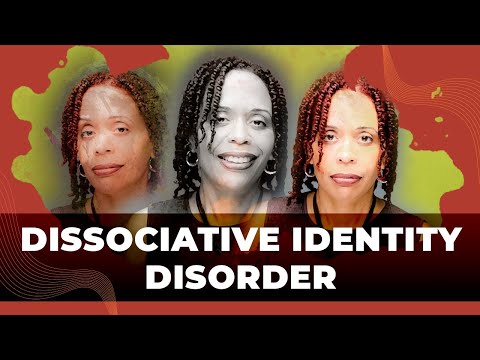
So, let’s talk about alternate personalities in therapy, or what some folks call dissociative identity disorder (DID). It’s this complicated thing where someone has different identities or personality states that can pop up. You know, it might seem kind of wild, but it makes sense when you think about the person’s experiences.
I remember chatting with a friend who struggled with this. One day we were grabbing coffee, and out of nowhere, she shifted. Like, her voice changed, and she started talking about things that seemed straight outta a different life. We laughed awkwardly at first; it was like watching a movie character come to life! But then I realized how serious it was for her. Each identity carried its own memories and emotions—some were young and scared; others were strong and protective.
In therapy, navigating these alternate personalities can be really tricky for both the therapist and the person seeking help. Each part might have its own fears, desires, and maybe even conflicting goals. So it’s essential for therapists to build trust before diving deep into all that complexity. It’s not just about fixing issues; it’s about understanding each part like you’d listen to good friends sharing their stories.
The therapist’s job is kinda like being a tour guide through someone’s mind—helping them explore those identities safely while making sure everyone feels heard along the way. Sessions can get emotional; one moment might be filled with laughter from a playful identity while another might bring tears from someone who’s feeling lost or scared.
And here’s the thing: people often feel stigmatized because of alternates—like they’re “broken” or “too much.” But each personality emerged for reasons tied to their past experiences. Recognizing that all parts are valid is so important—you’re not just dealing with symptoms but a whole world of feelings.
The beauty lies in integration, where these identities can learn to coexist more peacefully instead of battling each other for control. This journey takes time; it’s slow work building connection within oneself! So if you’re walking this path or know someone who is, remember—patience and compassion go such a long way.
You see? Therapy isn’t just methodical—it’s deeply personal and human at its core!