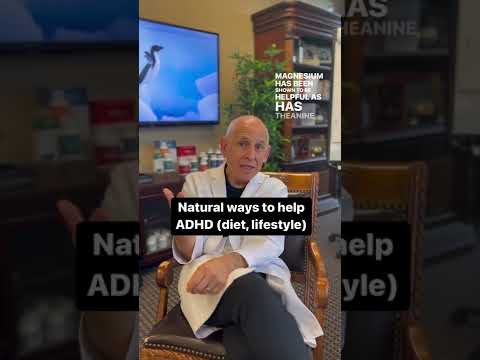
So, let’s chat about ADHD. It’s not just for kids, you know? Lots of adults are navigating life with it too. And honestly? It can be a real rollercoaster.
You’ve got distractions pulling you in ten different directions. It’s exhausting. But here’s the thing: treatment isn’t one-size-fits-all.
Sure, medication can help some folks, but what if that’s not your vibe? There are tons of alternative approaches out there that might just click for you.
From mindfulness to diet changes and everything in between, it’s all about finding what works best for your unique brain. So let’s dig into these options together!
Effective Non-Pharmacological Treatments for ADHD in Adults: Strategies for Improved Focus and Well-Being
Managing ADHD as an adult can be a bit like trying to herd cats. Seriously, it’s chaotic. You might feel scattered, forgetful, or struggle to focus. But there are effective non-pharmacological treatments out there that can help you find your groove without reaching for medication. Let’s break down some strategies that could improve your focus and overall well-being.
Mindfulness and Meditation
These techniques are like training wheels for your brain. Mindfulness involves being present in the moment without judgment. It can help you calm that busy mind of yours and improve attention span over time. Meditation? It’s just a fancy way to sit quietly and bring your focus back whenever it wanders off—kinda like running after a kid who darted away in a crowded store.
Many people say even short daily meditation sessions drastically change their ability to center themselves, which translates into better focus during daily tasks.
Cognitive Behavioral Therapy (CBT)
So, CBT is basically your brain’s workout plan. It’s a type of talk therapy that helps you identify unhelpful thoughts and behaviors—and replace them with healthier ones. Think of it as teaching yourself how to catch those sneaky negative thoughts before they mess with your day.
A therapist will help you come up with practical strategies tailored specifically for you—like breaking tasks into smaller chunks or setting up reminders for appointments.
Structured Routines
Routines can be incredibly grounding! Having a daily schedule helps create predictability in life, which is super helpful when your mind likes to race off on tangents. Start simple: set regular times for waking up, working, eating meals, and winding down at night.
Using planners or apps to visually map out your day works wonders too! Seeing what needs doing can keep overwhelm at bay and give you that little nudge when motivation wanes.
Physical Activity
You know how kids seem to have endless energy? Well, adults need movement too! Regular exercise isn’t just about staying fit; it also boosts mood and sharpens focus by increasing blood flow to the brain.
Even short bursts of activity—like quick walks or stretching during breaks—can refresh your mind like pressing the reset button on a computer.
Nutritional Changes
What you eat plays a huge role in how well your brain performs. A balanced diet rich in whole foods is key. Think leafy greens, lean proteins, healthy fats (hello avocados!), and plenty of hydration!
Some people notice changes in their concentration by reducing sugar intake or being mindful of additives found in processed foods. Not saying there’s magic bullet food out there—but paying attention can lead to positive changes!
Support Groups
Feeling connected is important—you know? Join support groups where folks share experiences similar to yours; it’s validating! These groups offer practical advice while reminding you that you’re not alone in the struggle with ADHD challenges.
You’ll swap stories about coping strategies or even share laughs about the quirks that come with having ADHD—as they say, sometimes humor is the best medicine!
So yeah, juggling ADHD as an adult isn’t easy but using these non-pharmacological approaches may help steer things back on track without necessarily relying on meds right away—or maybe at all! Just remember: everyone’s journey is unique, so finding what works best for you might take some experimenting along the way!
Top Therapies for Adult ADHD: Finding the Best Treatment Options
So, you or someone you know might be dealing with adult ADHD, huh? It can feel like you’re juggling a million things at once—distraction here, impulsivity there. But guess what? There are some great therapies out there to help manage it. Let’s break down some of the top options that can really make a difference.
Cognitive-Behavioral Therapy (CBT) is a popular choice for adults with ADHD. Basically, it helps you change negative thought patterns and behaviors. Think of it like training your brain to notice when it’s wandering off track and bringing it back in line. A friend of mine struggled with procrastination because he’d feel overwhelmed by tasks; through CBT, he learned to break things down into bite-sized pieces. It made a world of difference.
Another good option is Coaching. This isn’t just about learning strategies; it’s really about having someone in your corner who gets what you’re going through. Coaches help you set realistic goals and keep you accountable. Imagine having someone cheering you on while helping you stay organized—it can be a game-changer!
Then there’s Mindfulness and Meditation. This one might sound a little woo-woo at first, but hear me out! Mindfulness teaches you to be present and aware of your thoughts without judgment. A lot of folks with ADHD find that taking just a few minutes each day to practice mindfulness helps reduce their anxiety and improve focus. It’s like hitting the reset button for your brain.
You might also want to check out Group Therapy. Sharing experiences with others can be incredibly validating and helpful. When people gather to talk about their struggles, it’s comforting to realize you’re not alone in this journey. Plus, group members often share effective strategies they’ve found useful along the way.
Let’s not forget about Medication. While I said this info is purely informational, medication can pair well with therapies like CBT or mindfulness practices. Some people find their symptoms more manageable alongside therapy when they’re on meds—it’s all about finding that sweet spot that works best for you.
And hey, if you’re feeling overwhelmed trying to choose a therapy route, don’t stress too much! Finding the right fit may take some time, maybe even some trial and error—and that’s okay! Just keep looking until something clicks for you.
In short: Adult ADHD can definitely throw hurdles in your path, but there are plenty of therapies out there tailored for you. Whether it’s CBT or coaching or something else entirely, finding what works best for your unique situation is key! Keep at it—you’ve got this!
Effective Over-the-Counter Alternatives to ADHD Medication: Natural Solutions for Focus and Clarity
When it comes to ADHD, a lot of folks are looking for ways to manage their symptoms without jumping straight into prescription medications. You know, the ones that can have some pretty intense side effects or just make you feel off. So let’s chat about some effective over-the-counter alternatives that might help with focus and clarity.
First off, Omega-3 fatty acids have been shown to have potential benefits for people with ADHD. They’re found in fish oil and flaxseed oil, and some studies suggest they could help improve attention and cognitive function. Seriously, fish oil isn’t just for old folks! It might be something worth exploring.
Another option is Ginkgo biloba. This herb is often touted for its memory-boosting effects. The thing is, there’s some research indicating it might also help with focus issues associated with ADHD. It’s safe to try as a supplement, but just make sure you check in with your doc if you’re on any other meds.
And don’t forget about L-theanine, an amino acid commonly found in green tea. This one might promote relaxation without drowsiness, so it could help you chill out while keeping your mind sharp. Some people swear by sipping green tea instead of reaching for a Red Bull when they need to power through.
Then there are adaptogens. Herbs like Rhodiola rosea or Ashwagandha are thought to help your body handle stress better. If you’re feeling overwhelmed or anxious—common issues for those with ADHD—these might just give your brain the boost it needs without the jitters of caffeine.
And of course, let’s talk about mindfulness and exercise. Regular physical activity can be a game changer when it comes to improving focus and reducing hyperactivity. Even just a brisk walk outside can do wonders for your brain chemistry! Plus, practicing mindfulness techniques like meditation can enhance your attention span over time.
It’s also good to consider diets rich in whole foods. Think fresh veggies, fruits, whole grains, and lean proteins! Some say that cutting out processed sugars and focusing on nutrient-dense foods can lead to noticeable improvements in how you feel day-to-day.
Sometimes even simple things like staying hydrated can make a difference! Yeah, it sounds trivial but dehydration can totally mess with concentration levels. So keep that water bottle handy!
Lastly, there’s always room for considering supplements like vitamins B6 and magnesium—they play important roles in brain health too. Just remember: not every supplement works the same way for everyone. You gotta listen to your body!
Every individual is different when managing ADHD symptoms; something that works wonders for one person might not do much at all for another. It feels good knowing there are natural alternatives out there if you’re hesitant about medications or simply wanting more options than what’s currently on the table! Just take care of yourself and feel free to chat with someone who knows their stuff before making any big changes!
So, let’s chat about ADHD treatment for adults. It’s this thing that often feels like a puzzle, right? You’ve got the typical meds that people think of—like stimulants and non-stimulants. But honestly, there’s a lot more out there if you’re willing to look beyond that.
I remember a friend of mine who was diagnosed with ADHD in his 30s. He was juggling work and life, feeling overwhelmed by tasks that seemed easy for others. At first, he went the medication route but found it wasn’t really his jam. The side effects just didn’t sit right with him. So, he started exploring alternative approaches.
One thing he tried was mindfulness meditation. Now, I know—you’re probably rolling your eyes thinking «Seriously? Meditation?» But hear me out! It helped him focus better and calmed that crazy whirlwind in his head, even if just for a bit each day. There’s something about taking a few minutes to breathe and be present that can make a huge difference.
Another approach he found helpful was structured exercise. He took up running and found that it not only gave him a physical outlet but also improved his mood and concentration. It’s like the brain gets this boost from being active—kind of awesome when you think about it.
Diet also played a role for him; he started paying more attention to what he was eating. Cutting down on sugar and focusing on whole foods helped with energy levels, too—less of those crazy highs and lows throughout the day.
And then there are things like coaching or therapy focused on ADHD strategies. This can be super beneficial in helping adults develop coping mechanisms tailored specifically to their challenges and strengths.
The thing is, everyone’s experience with ADHD is different. What works wonders for one person might not do anything for another—and that’s okay! Finding your unique combination takes time, exploration, and sometimes some trial and error.
So yeah, alternative approaches to treating ADHD as an adult can be pretty varied and versatile! It’s all about understanding what feels right for you personally because mental health is definitely not one-size-fits-all!