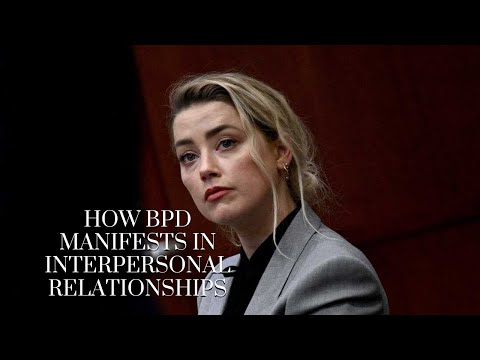
So, let’s talk about Amber Heard for a sec. Yeah, the actress everyone’s been buzzing about. You know, the drama, the headlines—it’s hard to ignore.
But here’s where it gets interesting. Some folks have thrown around the term “Borderline Personality Disorder” when discussing her behavior. Like, what does that even mean?
And why are people so quick to label her? It’s a complicated topic for sure. But understanding BPD can shine a light on behaviors that often get misinterpreted.
Let’s break it down and see if we can make sense of this whole situation together. Sound good?
Exploring the Claims: Does Amber Heard Exhibit Signs of Borderline Personality Disorder (BPD)?
It’s a pretty charged conversation, isn’t it? Amber Heard and her tumultuous relationships have definitely sparked a lot of discussions around mental health, specifically about Borderline Personality Disorder (BPD). Some folks have speculated whether she shows signs of this condition based on her behaviors as portrayed in media.
So, what’s BPD? It’s basically a mental health disorder that impacts how you think and feel about yourself and others. People with BPD often experience intense emotions and struggle with relationships. They might have trouble with self-image, fear of abandonment, or difficulty managing their emotions. It can be really tough to navigate life with these challenges.
Now, when we look at Amber, some behaviors have raised eyebrows. For instance:
- Intense Relationships: People with BPD often swing between extremes in how they view others—one moment you’re the best thing since sliced bread, the next you’re trash. In the case of Amber, public perceptions have shifted dramatically over time.
- Emotional Instability: Drastic mood swings can occur within hours or days. There have been moments in court and interviews where her emotions changed rapidly—like crying one minute and smiling the next.
- Fear of Abandonment: This is huge for many folks with BPD. They tend to go to great lengths to avoid being left alone. You could see some hints of this in her relationships.
Of course, it’s essential to remember that diagnosing someone isn’t straightforward, especially from afar. You really need a professional evaluation for that! Plus, everyone is unique; behaviors can stem from various factors—not just one diagnosis.
Let’s talk anecdotal stuff for a sec because it gets real here! Imagine driving late at night after an argument with a friend—it feels like your whole world is ending due to one small fight. That intensity in feeling isn’t exclusive to BPD but resonates with many people during stressful times.
But here’s the kicker: not every intense emotion or conflict means someone has BPD. Mental health disorders are complex; they don’t exist in a vacuum of just bad behavior or tough experiences.
In the end, while some might see signs or patterns in Amber Heard’s behavior that align with BPD traits, labeling someone without proper context can be harmful and misleading. And seriously—mental health issues deserve sensitivity and understanding. So when diving into conversations about celebrities or public figures, let’s keep empathy front and center because everyone has their battles behind closed doors.
Understanding the Impact of Borderline Personality Disorder: Why Hurtful Words Occur in BPD Relationships
Borderline Personality Disorder (BPD) is a mental health condition that can have a profound impact on relationships. Folks with BPD often experience intense emotions and struggles with self-image, which can lead to some pretty hurtful interactions. So, why do hurtful words often pop up in these relationships? It’s like this emotional rollercoaster that affects communication deeply.
People with BPD tend to have what’s called emotional dysregulation. This means their feelings can swing from extreme highs to devastating lows very quickly. Imagine feeling elated one moment and then crashing down into despair the next. When emotions run this high, it becomes super challenging to communicate effectively. You might find them saying things they don’t really mean when they’re upset. It’s not always easy for them to hit the brakes on those emotions, you know?
Another big factor is fear of abandonment. Those with BPD may constantly worry about people leaving them or not loving them enough. As a reaction, they sometimes push loved ones away before they get hurt themselves. This push-pull dynamic can lead to harsh words or behaviors that seem totally out of the blue but are rooted in this deep-seated fear.
Then there’s this thing called splitting, which is when individuals see others as all good or all bad, with no middle ground. One minute you’re the best person ever, and the next, you’re the enemy. If someone feels abandoned or criticized, it can shift their perception dramatically, resulting in sharp and hurtful comments.
Even small disagreements can escalate quickly because of these dynamics. For instance, let’s say you forgot to call them back—something minor in most relationships—this could spiral out of control into accusations or hurtful remarks about how you never care about them. It may seem disproportionate from an outside perspective, but remember—it’s often driven by those overwhelming feelings.
It’s important to note that individuals with BPD aren’t intentionally trying to be harmful; this is just part of their struggle with regulating emotions and managing relationships. They might feel enormous regret after hurting someone close to them but find it hard to break that cycle during emotional storms.
Understanding these factors is crucial for anyone navigating a relationship where BPD is involved. Compassion goes a long way here; being patient and open about feelings—even when things get heavy—can help both parties heal and work through those tough spots together.
In short: relationships involving someone with BPD can be incredibly challenging due to emotional intensity, fear of abandonment, and complex ways of processing feelings and experiences. Those hurtful words? They’re often cries for help masked in distress rather than deliberate attacks.
Famous Faces: Celebrities Who Have Opened Up About Living with Borderline Personality Disorder (BPD)
When we talk about Borderline Personality Disorder (BPD), it’s easy to picture the stigma that surrounds it. This condition can lead to intense emotions and unstable relationships, making life pretty tough for those who have it. But some famous folks, like Amber Heard, have stepped up and openly shared their journeys with BPD. They’ve helped shine a light on what living with this disorder really means.
Amber Heard, an actress known for her roles in films like «Aquaman,» has been very candid about her struggles. She’s talked about how BPD has affected her life, from personal relationships to public perception. For many people, hearing someone in the spotlight share their experience can be quite comforting. It shows that they’re not alone, you know?
Now, it’s not just Amber who’s opened up about BPD. There are others too! Here are some examples:
- Pete Davidson: The comedian has spoken honestly about his struggles with mental health and how BPD plays a role in his life.
- Miley Cyrus: Although she hasn’t officially confirmed a diagnosis of BPD, she’s often discussed her emotional ups and downs in interviews.
- Linda Hamilton: The “Terminator” star has revealed her battles with BPD in various talks over the years.
It’s kind of powerful when celebrities share their stories because they have so much reach. People look up to them, and when they say things like “Hey, I struggle too,” it makes a difference! There’s less shame involved when well-known faces are being real about their mental health.
People living with BPD often face misconceptions that make things even harder. Some might think it just means being overly emotional or dramatic, but there’s way more to it than that. It can involve fear of abandonment, feelings of emptiness, or difficulty maintaining stable relationships—like a rollercoaster ride of emotions.
But the world is changing slowly! Celebrities opening up creates space for all of us to talk more freely about mental health issues without fear of judgment. When you see someone like Amber Heard being vulnerable on such a huge platform, it’s a reminder: We’re all human.
So next time you hear someone discussing their journey with Borderline Personality Disorder—whether they’re famous or not—remember that every story can help dispel myths and encourage understanding. And honestly? That matters more than you might think!
So, Amber Heard and her highly publicized trial with Johnny Depp really got a lot of people talking. It was everywhere, right? Alongside the drama, some folks started discussing Borderline Personality Disorder (BPD), which is a mental health condition that can make relationships super complicated.
You know, BPD involves intense emotions and often chaotic relationships. People with it might struggle with feeling empty or have really strong reactions to even small events. It’s like their emotional world is on a rollercoaster ride—up and down all the time. When I think about this, I remember a friend who went through something similar. She’d have these wild mood swings that left everyone around her confused and exhausted. One minute she was laughing, and the next she felt completely crushed by her thoughts. It hurt to see her like that.
Anyway, when we look at Amber Heard’s situation through this lens, it’s clear that it’s not just about being difficult or dramatic; it’s more nuanced than that. BPD can lead to misunderstandings, especially in complicated relationships where both parties are emotionally charged.
People aren’t always kind when they don’t understand mental health issues. They might label someone as “crazy” or “toxic” without getting what’s really going on under the surface. That’s why conversations about mental health should be handled with care.
I think it’s easy for us to get swept up in celebrity gossip or the sensational parts of these stories but stepping back to recognize the human experience behind them feels more important sometimes. Sure, there were plenty of mistakes made on both sides during that trial—public figures are just like us in terms of their struggles—flawed and messy.
Ultimately, we could try to approach conversations about people like Amber with a bit more empathy. Understanding disorders like BPD isn’t just about labeling someone; it’s about seeing their pain and recognizing that healing takes time, support, and understanding from others too, you know?