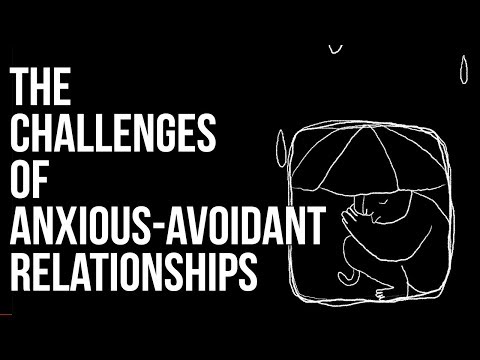
You know that feeling when you really want to connect with someone, but at the same time, you’re like, «Wait, do I even want this?» Yeah, that’s ambivalent attachment for you. It’s kinda like being on a see-saw of emotions.
One minute, you’re all in, craving closeness. The next? You’re pulling back because it feels way too intense. It’s confusing! Seriously.
I remember chatting with a friend who felt torn between wanting love and pushing people away. It made me think just how tricky this attachment style can be. Like, how do you figure it out without losing your mind?
Let’s break it down together and see what navigating this rollercoaster looks like.
Effective Strategies to Overcome Ambivalent Attachment and Build Healthy Relationships
Navigating ambivalent attachment can be tricky. If you find yourself feeling anxious in relationships, always worried about whether your partner truly loves you or if they might leave, you’re not alone. Lots of folks deal with this kind of attachment style.
Understanding Ambivalent Attachment helps. It usually stems from inconsistent care during childhood. Maybe your parents were loving one minute and distant the next. As an adult, this can lead to feelings of uncertainty, clinginess, or even a fear of abandonment.
But there are effective strategies to work on this and build healthier relationships:
- Self-Awareness: The first step is recognizing your feelings and behaviors. Keep tabs on when you’re feeling anxious or insecure in relationships. Journaling can help with this.
- Communicate Openly: Talk about your feelings with your partner. Let them know when you’re feeling uncertain or need reassurance. Honest communication goes a long way.
- Practice Mindfulness: This means being present in the moment without judgment. It’s like catching yourself spiraling into negative thoughts and gently bringing your focus back to what’s happening now.
- Set Healthy Boundaries: It’s important to define what you’re comfortable with in a relationship. Boundaries help maintain balance and prevent overwhelming situations that make you feel anxious.
- Seek Therapy: A professional can help unpack those childhood experiences that influence your current behavior. Therapy isn’t just for crises—it’s a space for growth and healing.
- Cultivate Trust Gradually: Building trust takes time, especially if you’ve had past relationship traumas. Take baby steps—share little things about yourself first before diving deeper.
- Tolerate Discomfort: Sometimes, you might feel uneasy during conflicts or moments of vulnerability. Instead of reacting out of fear, sit with those feelings for a bit—it’s okay to feel uncomfortable sometimes.
Real-life scenarios can illustrate these ideas well. Let’s say you’re dating someone new and start feeling that old familiar anxiety creeping in when they don’t text back right away. Instead of spiraling into panic mode, maybe challenge those thoughts by checking in with yourself through mindfulness techniques or jotting down what you’re really feeling.
Another example: imagine you’ve set some boundaries around how often you’d like to spend time together versus alone time for self-care. Your partner might initially react negatively because they’re not used to that kind of dynamic—but stay firm! Practice explaining why it matters to you without getting defensive.
At the end of the day, building healthier relationships is all about patience and practice. Change doesn’t happen overnight! But by working on these strategies consistently, you create a better space for both you and your partner—one where both people feel heard and secure.
So yeah, don’t give up! Reaching out for support or even just being more self-aware can set off some pretty fantastic changes over time.
Understanding the Toughest Attachment Style to Overcome: Insights and Strategies
So, let’s chat about ambivalent attachment style. It’s, like, one of the tougher styles to deal with. People with this style often experience a mix of anxiety and uncertainty in relationships, wondering if they’re truly loved or if their partner might leave at any moment.
What is Ambivalent Attachment?
Basically, ambivalent attachment happens when someone has inconsistent experiences in early relationships, usually with caregivers who were sometimes available and loving but other times distant or unpredictable. This can lead to a lot of clinginess and anxiety about emotional connections.
Imagine you’re in a relationship where your partner seems really into you one minute but then pulls away the next. You think everything’s going great, then suddenly you feel like you’re walking on eggshells. That push-pull can be super confusing! And it makes sense that someone with an ambivalent attachment style would get all tangled up in these feelings.
Characteristics of Ambivalent Attachment:
People with this style often display certain behaviors that can make relationships tricky:
- They seek constant reassurance.
- They’re often preoccupied with their partner’s actions.
- You might notice intense emotional reactions when feeling neglected.
- There’s usually a fear of abandonment that makes it hard to trust.
Now let’s break down some strategies for navigating this tricky attachment style.
Understanding Your Triggers
First off, it helps to know what triggers those anxious feelings. If your partner is late or doesn’t text back right away, you could spiral into worries about what that means for your relationship. Recognizing these triggers gives you the power to take a step back instead of getting swept up in panic.
Communication is Key
Being open and honest with your partner can really help salvage things. Instead of bottling up insecurities or making assumptions, try sharing how certain actions make you feel. For example, “When you didn’t reply to my message quickly, I felt anxious.” This opens up the floor for dialogue without blame.
Practicing Self-Soothing Techniques
Find ways to calm yourself down when you start feeling overwhelmed. Deep breathing exercises or engaging in hobbies you love can ground you during anxious moments. Think about it: When you’re focused on something enjoyable, those intrusive thoughts start fading away.
Therapy Can Be Beneficial
Sometimes talking things out with a professional can provide amazing insights. Therapists can help unpack those childhood experiences influencing your present-day relationships—seriously life-changing stuff here!
Consider cognitive behavioral therapy (CBT), which focuses on changing negative thought patterns into more constructive ones. You might start seeing things from different perspectives—like realizing your partner’s late response isn’t tied to their feelings for you at all.
Befriend Yourself
Learning self-compassion is super important too! Treat yourself with kindness and patience as you work through these feelings. Remind yourself that everyone has struggles; it’s totally okay not to be perfect!
At the end of the day, overcoming ambivalent attachment takes time and effort—but seriously? It’s so worth it! You deserve healthy relationships where trust flourishes and connection feels safe!
Understanding the Long-Term Effects of Ambivalent Attachment on Mental Health
Okay, so let’s chat about ambivalent attachment. You might not realize it, but this attachment style can have some serious long-term effects on your mental health. It’s like having a hard time finding your footing in relationships, and that can definitely mess with your head.
People with an ambivalent attachment style often feel torn between wanting closeness and fearing rejection. It’s like constantly being on a seesaw, you know? This back-and-forth can lead to some emotional whiplash, making you feel insecure or anxious when it comes to relationships.
Here are some key points to consider:
- Increased Anxiety: You might find yourself overthinking situations or worrying excessively about how others view you. This constant state of alert can drain your mental energy.
- Difficulties with Intimacy: Having an ambivalent attachment means you might struggle to fully trust others. You could pull away just when things get close, which only reinforces those feelings of insecurity.
- A Pattern of Unstable Relationships: It’s common for folks with this attachment style to have relationships that feel like a rollercoaster ride—intense highs followed by deep lows.
- Potential for Emotional Dysregulation: Your emotions may swing wildly from exuberant joy to deep sadness in a short period. That’s exhausting!
This emotional seesaw can be exhausting! I remember talking to a friend who always felt torn between her partner’s love and her fears of abandonment. One moment she was all in; the next, she was pulling back, convinced it would end badly anyway.
If you think you resonate with this kind of attachment, therapy could really help. A therapist might work with you on building healthier relationships and finding ways to manage those nagging anxieties. Cognitive-behavioral therapy (CBT), for example, focuses on changing negative thought patterns that come from those childhood experiences.
The good news? Awareness is half the battle! Just knowing where these feelings stem from can empower you to change the narrative and strengthen your emotional resilience over time. Small steps towards understanding yourself go a long way in creating healthier connections with others.
The journey isn’t easy. But hey, recognizing ambivalent attachment is like shining a flashlight into the dark corners of your mind—it helps illuminate what needs attention!
So, ambivalent attachment style, huh? It’s like holding two emotions at once. You want closeness but also get scared of it. And honestly, it’s not the easiest ride. Think about that feeling when a close friend cancels plans last minute. You’re mad and relieved at the same time—mad because you were looking forward to it, but relieved because deep down, you kinda like being alone sometimes.
I remember a friend of mine, Mia. She had this crazy up-and-down relationship with her boyfriend. One minute they were all lovey-dovey, and the next minute she was convinced he was going to leave her for someone better. Like, she’d freak out over tiny things, replaying every word he said in her head. It was exhausting for both of them! She craved his affection but often pushed him away because she thought he’d bail anyway.
Basically, when you’re navigating ambivalent attachment, it feels like you’re on a roller coaster with no end in sight. One day is a thrill; the next is pure anxiety! The clinginess can stem from earlier experiences—maybe feeling unsure about your parents’ availability growing up or having inconsistent care from them.
And let’s be real: these feelings can make relationships super complicated. On one hand, you want security and love; on the other hand, you’re terrified of being hurt or abandoned again. That constant push and pull keeps you on your toes…. But also kinda paralyzed.
Recognizing these patterns is key though! It helps to talk it out with someone who gets it—like a therapist or even just a patient friend willing to listen without judgment (shoutout to those friends!). They can help untangle those jumbled thoughts so you can feel more grounded.
Building secure attachments is possible too! It just takes time and effort—like watering a plant regularly until it thrives instead of drowning it by over-focusing on every little thing.
So yeah, figuring out ambivalent attachment isn’t easy or straightforward; it’s more like wandering through a maze where every corner brings something new to confront between wanting comfort while battling fears around closeness. But hey, taking those small steps makes all the difference in creating healthier connections along the way!