So, let’s chat about a little pill called amitriptyline. You might have heard of it. It’s not just another name on the pharmacy shelf.
People often think it’s only for mental health stuff, but it actually packs a punch for pain relief too. Crazy, right?
Imagine dealing with nagging aches while your mind is racing with worries. That can be such a heavy load to carry! Amitriptyline might help lighten that burden in both ways.
Curious how this all connects? Stick around! We’ll break down what this little guy does and why it could be a game changer for some folks out there.
Exploring the Impact of 10mg Amitriptyline on Mood Enhancement: What You Need to Know
Amitriptyline is one of those older antidepressants that has found a special place in the treatment of various conditions. When you hear about it, you might think it’s just for depression, but really, it’s also used for managing chronic pain and improving overall mental wellbeing.
So, what’s the deal with **10mg** of amitriptyline? At this lower dose, it can help boost your mood without slapping you with heavy side effects. It works as a **tricyclic antidepressant**, meaning it affects several chemicals in your brain, primarily serotonin and norepinephrine. These are crucial when we talk mood enhancement.
You know how sometimes you just feel stuck? Like nothing makes sense or feels right anymore? Amitriptyline can help shift that feeling a bit. It may not be an instant miracle; actually, it usually takes a few weeks to feel its full effects. Think of it as a gentle nudge towards better days rather than a complete overhaul overnight.
But there are things to keep in mind:
- Side Effects: Common ones include drowsiness, dry mouth, and dizziness. Some people might even experience weight gain over time.
- Interaction with Other Medications: If you’re on other meds, especially other antidepressants or medications that affect serotonin levels, you should definitely chat with your doctor.
- Withdrawal Symptoms: If you decide to stop taking amitriptyline, doing so abruptly can lead to withdrawal symptoms like nausea or headaches. Tapering down is usually the way to go.
Now, let’s get personal here for a sec. A friend of mine struggled with anxiety for years and was prescribed 10mg amitriptyline mainly for its soothing effects through those tougher nights when her mind wouldn’t settle down. After about three weeks of taking it regularly, she started noticing subtle shifts—less anxiety during the day and even some old hobbies beginning to spark joy again.
And there’s another thing! Many doctors also prescribe this medication for chronic pain conditions like fibromyalgia or migraines because it addresses discomfort while also providing some emotional relief. Funny enough, treating physical pain can also lighten emotional burdens—you know?
When considering **10mg amitriptyline**, it’s crucial to have regular check-ins with your healthcare provider to make sure it’s working as intended without any nasty surprises along the way.
In summary, this med isn’t just about lifting depression; it’s helpful in multiple dimensions—pain relief included! And while every person’s journey is different, many find that amitriptyline offers some much-needed stability in both mood and overall quality of life. Just remember: team up with your doc on this one for the best results!
Exploring Amitriptyline: Its Role and Benefits in Mental Health Treatment
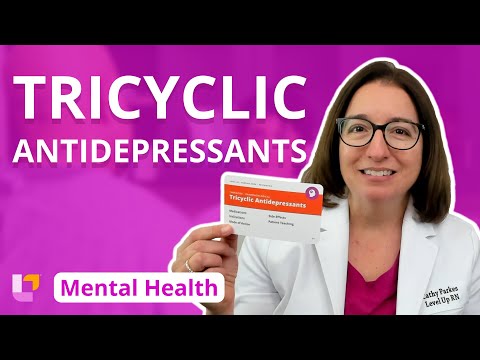
Amitriptyline is one of those medications that often comes up in conversations about mental health. It’s a type of antidepressant, specifically a tricyclic antidepressant (TCA). People usually think about it for **depression**, but it actually has a variety of uses, including pain relief.
So what’s the deal with **Amitriptyline**? Well, it works by influencing chemicals in your brain. You know how sometimes you feel down because of a chemical imbalance? Amitriptyline helps to restore some balance by boosting the availability of serotonin and norepinephrine. That can lead to improved mood and emotional wellbeing.
Now, let’s chat about the **dosage**. Often, you might hear about this medication in doses like **10mg**. This lower dose is sometimes used more for pain relief than for treating depression directly. For instance, if you have chronic pain conditions like fibromyalgia or migraines, doctors might prescribe Amitriptyline at lower doses to help ease that discomfort.
The way it helps with pain is pretty interesting. Amitriptyline can change the way your body perceives pain signals—kind of like turning down the volume on a radio. So, when you’ve got nagging aches or pains that just won’t go away, this medication can help make them feel less intense.
Side effects are something to consider too. Like any medication, Amitriptyline isn’t without its drawbacks. Some common side effects include drowsiness, dry mouth, and weight gain. Drowsiness can actually be beneficial if you’re struggling with sleep issues since it may help you catch some Zs at night.
But hey, don’t always expect these side effects! Everyone reacts differently; some people tolerate it well while others may not vibe with it so much. That’s why it’s super important to keep an open line of communication with your healthcare provider about how you’re feeling while on this medication.
Here’s something cool: Amitriptyline isn’t just about treating serious mental health disorders; its benefits spill over into everyday life too! Imagine someone who struggles with anxiety but also deals with back pain from sitting too long at work all day. By addressing both issues simultaneously—anxiety through mood stabilization and back pain through altered pain perception—it could lead to an overall better quality of life.
But remember that taking Amitriptyline isn’t all there is to managing your mental health or chronic pain conditions. It’s often used best alongside therapy or lifestyle changes—like exercise and stress management techniques—to really enhance your wellbeing.
In wrapping this up, if you’re considering **Amitriptyline**, talk to your doctor about whether it’s right for you based on your symptoms and health history. They’ll provide guidance tailored specifically for you—because every body (and mind) responds differently!
Understanding Amitriptyline: Does It Affect Your Emotions?
So, let’s chat about Amitriptyline, shall we? You might have heard of it as something that can help with both pain relief and mental wellbeing. But does it actually mess with your emotions? Well, there’s a lot to unpack here.
Amitriptyline is a type of medication called a tricyclic antidepressant. It’s often prescribed for depression, but doctors also use it for chronic pain relief, migraines, and even anxiety. The thing is, this medicine affects chemicals in your brain that play a role in how you feel—like serotonin and norepinephrine. When these chemicals are more balanced, it can lead to improved mood and less pain.
Now onto the emotional side of things. While many people find Amitriptyline helpful, it can have some side effects that mess with your feelings. Here are some key points to consider:
- Initial Emotional Changes: When you first start taking it, you might notice some shifts in your emotions. It could be an improvement in your mood or sometimes feeling a bit more down.
- Potential Emotional Blunting: Some folks report feeling less intense emotions overall—both good and bad ones. Like, it’s not that you’re super happy or super sad; you’re just kind of… there.
- Affect on Anxiety: It can help reduce anxiety for many people but might increase feelings of restlessness or agitation in some cases.
- Dosage Matters: The dose plays a big role too! A lower dose like 10 mg may have milder effects compared to higher doses.
Let’s say you start on Amitriptyline because you’ve been dealing with chronic pain and are also feeling pretty down about life lately. At first, you may find that the pain eases up a bit—awesome! But maybe you’re not quite as excited about things as you used to be. It’s kind of like watching your favorite movie but feeling too chill to freak out over the best parts.
On the flip side, if you’re already prone to emotional ups and downs, taking this medication might make those feelings harder to navigate at first. Imagine having one of those rough days where everything feels heavy; adding Amitriptyline into the mix could either help lighten the load or make things feel even more overwhelming at times.
It’s essential to keep an open line of communication with your doctor while taking this medicine. They want what’s best for you! If you notice changes in how you’re feeling emotionally after starting Amitriptyline—or if those feelings seem off—you should definitely talk about it.
In short: yes, Amitriptyline can affect your emotions because it alters brain chemistry related to mood. But everyone reacts differently—what works wonders for one person might not be the same for another.
Starting any new medication is kind of like going on an adventure; there are unexpected turns along the way! It’s important to take things one step at a time and be gentle with yourself throughout the process.
Amitriptyline, huh? It’s one of those medications that might pop up in conversations about both pain relief and mental health. I remember chatting with a friend who was struggling with some chronic pain and anxiety. They had tried different things but felt stuck, you know? Then their doc suggested amitriptyline.
At a low dose like 10 mg, it’s often prescribed for things like fibromyalgia or other nerve-related pain. But here’s the kicker: it’s also an antidepressant! The cool part is that it helps with both physical discomfort and emotional struggles. That’s kind of neat, right? It gets your body feeling better AND works on that mental load we all sometimes carry.
But it isn’t without its quirks. Side effects can sneak up on you—like drowsiness or maybe some weight gain. That happened to my friend; they felt super sleepy in the mornings, and it took a little while to figure out if it was just the meds or something else going on in their life.
Look, everyone reacts differently to medication. For my friend, after some trial and error with their dosage, amitriptyline helped them find a balance between tackling pain and easing anxiety. They even mentioned how they could finally enjoy simple things again—like going for a walk without feeling exhausted or overwhelmed.
So basically, amitriptyline might be worth considering if you’re dealing with pain linked to mental health issues. Just keep talking to your doctor about how it feels for you because that open line of communication is key in figuring this whole thing out!