Okay, let’s talk about something kinda wild—amnesia and stress. You might be thinking, “Wait, what do those even have to do with each other?”
Well, it turns out they’re more connected than you’d guess. Seriously, stress can mess with your memory in ways that might surprise you.
Imagine being super stressed about a deadline. You forget little things, right? But what if that forgetfulness became something bigger? That’s the kinda stuff we’re diving into here.
Let me share a quick story. A friend of mine was going through a rough patch at work. One day, she just blanked on her best friend’s birthday. Like, total memory wipe! It was all stress-related.
So yeah, let’s unravel this connection between amnesia and stress together!
Understanding the Link Between Stress and Amnesia: Can Stress Really Cause Memory Loss?
So, you’re curious about the link between stress and memory loss, huh? It’s a pretty fascinating topic that dives into how our minds work when we’re hit with stress. Stress can mess with your brain in some seriously weird ways. Let’s break it down.
First off, **stress** is our body’s natural response to challenges or threats. You know that feeling when you’re overwhelmed before a big exam or a huge presentation? That’s your body getting ready to fight or flee. But here’s the kicker: while a little stress can help us perform better, too much can really take a toll.
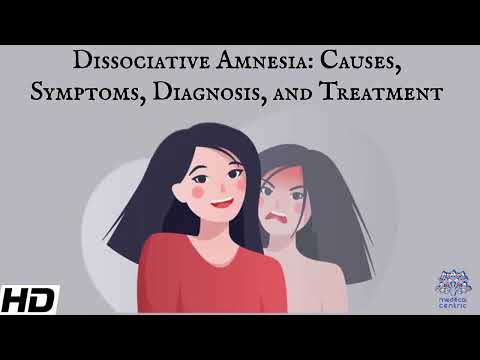
Now, let’s talk about **amnesia**. This isn’t just forgetting where you put your keys (although that happens to all of us!). Amnesia involves serious memory issues—like not being able to recall important life events or even who you are sometimes. There are various types of amnesia, but the kind I want to focus on here is **dissociative amnesia**. This is often triggered by severe stress or trauma.
Here’s how it works: when stress becomes chronic—like from ongoing pressure at work or relationship troubles—it can lead to something called **cortisol overload**. Cortisol is the hormone our body releases when we’re stressed out. When there’s too much of it floating around in your system for too long, things start going haywire.
Some might wonder, “Can stress really make me forget things?” The answer is yes, it can! Here are a few key ways this happens:
- Distraction: Stress makes it hard to focus on anything else. When you’re worrying about a deadline or dealing with family issues, your brain has limited bandwidth.
- Impact on Hippocampus: This is the part of your brain essential for forming new memories. Prolonged exposure to high levels of cortisol can shrink this area, which makes it harder for you to create and store memories.
- Dissociation: In stressful situations, some people detach from reality as a coping mechanism. This means they might block out memories from those intense experiences.
- Poor Sleep: Stress often leads to sleep problems like insomnia. Not getting enough quality sleep directly affects memory consolidation—the process where short-term memories become long-term ones.
I remember talking with a friend who was under constant pressure at work. She was juggling deadlines and family responsibilities at the same time—talk about overwhelming! At one point, she blanked out on her own birthday celebration details; it was like she just couldn’t process what happened that night because her mind was elsewhere due to stress.
So what do we do about this? If you feel like stress is taking control over your memory, finding ways to manage that stress becomes crucial:
- Mindfulness Practices: Techniques like meditation and deep breathing help calm the mind and lower cortisol levels.
- Sufficient Sleep: Prioritizing good sleep hygiene goes a long way in helping memory function.
- Counseling: Talking through stressful experiences with someone trained can be beneficial—you don’t have to carry that load alone!
In short, yes—stress and amnesia really do have a connection! While not everyone will experience memory issues due to stress, if you’re feeling overwhelmed for an extended period, it’s essential to pay attention and seek support if needed. Remembering this helps remind us how important mental health really is!
Exploring the Brain: Where Are Trauma Memories Stored?
The brain is a complicated network, and figuring out where trauma memories are stored can feel like trying to solve a puzzle with missing pieces. When we go through something super stressful or traumatic, our brains react in ways that can be pretty fascinating—and sometimes confusing.
Trauma memories are often linked to how **stress** affects the brain. You know how you might vividly remember every detail of a scary event? That’s because intense emotions trigger certain areas in your brain to mark those memories as important. This process involves structures like the **amygdala**, which is responsible for processing emotions, and the **hippocampus**, which plays a role in forming new memories.
Here’s how it works:
- The amygdala lights up when something stressful happens. It’s like an alarm that goes off in your head.
- The hippocampus helps organize those events into coherent memories. But if the stress is overwhelming, it might not work properly.
- This can lead to fragmented or incomplete memories about what happened.
Sometimes people experience **amnesia** related to trauma. Like, imagine you’re driving and get into an accident. You might remember the moments leading up to it but totally blank on the actual crash itself. This happens because your brain tries to protect you from the emotional fallout of that memory.
And then there’s **PTSD** (Post-Traumatic Stress Disorder). Individuals with PTSD often have intrusive thoughts about their trauma—like flashbacks or nightmares—which can disrupt their daily lives. In these cases, the amygdala is super active while the hippocampus may struggle to make sense of those experiences.
Let’s say someone was in a war zone. When they hear a loud bang later on—they might instantly feel terrified as if they were back in that dangerous situation again. That’s because their brain has linked that sound with trauma, almost like setting off a mental alarm.
It gets even trickier when you consider things like dissociation, where people might feel detached from themselves during or after trauma. They can forget chunks of time or feel like they’re watching themselves from outside their body, which only adds layers to memory storage issues.
In essence, while we have some ideas about where trauma memories are stored, there’s still so much more to learn about how this all works together in our complex minds! Trauma not only shapes our memories but also influences how we cope with stress moving forward—sometimes bringing up unexpected feelings or reactions later on.
So yeah, understanding all this helps us see why healing from trauma isn’t just about talking things out; it really involves understanding what’s happening inside your head!
Understanding the Link Between Mental Illnesses and Amnesia: Key Conditions Explained
So, let’s talk about amnesia and how it connects to mental health issues. It’s more complex than it seems at first glance, but don’t worry, I’ll break it down for you.
What is Amnesia?
Amnesia is basically a memory loss that can be temporary or permanent. It often stems from stress, trauma, or some kind of brain injury. You know, it’s like your brain decides to hit the «delete» button on certain memories. There are different types too. For instance, anterograde amnesia makes it hard to form new memories after the onset of the condition, while retrograde amnesia affects memories you had before a specific event.
The Connection with Mental Illness
Now here’s where it gets interesting. Stress and mental health issues can seriously mess with memory functions. Conditions like anxiety and depression can lead to memory lapses too. It’s kind of like your mind gets overloaded and can’t keep everything straight anymore.
Stress-Induced Amnesia
Stress is a huge factor here! When you’re under constant pressure or have experienced something traumatic, your brain can go into survival mode. This means that some memories might get locked away as a way of protecting yourself from emotional pain. Imagine you went through a really tough breakup; the brain might suppress those painful memories so you can heal.
Mental Health Disorders Linked to Amnesia
Some specific mental illnesses are often linked with memory problems:
A Real-World Example
I remember hearing about someone who went through an awful car accident. Afterward, they couldn’t remember anything about the event itself—not even how they got into the car that day! That was their mind’s way of coping with extreme stress.
Treatment Approaches
If someone is experiencing amnesia related to these issues, treatment usually involves therapy. Cognitive-behavioral therapy (CBT) can help address faulty thinking patterns and tackle the underlying anxiety or depression contributing to memory loss.
Some folks might also find medications helpful in stabilizing their mood or reducing anxiety levels—like antidepressants or anti-anxiety meds—though this varies depending on individual needs.
In summary, amnesia isn’t just some random memory loss; it’s intricately linked with mental health issues and stress levels. Your brain is always working hard to protect you from emotional harm—even if that means forgetting things along the way.
Amnesia and stress, huh? It’s kind of wild how these two seemingly different things can actually be linked in ways that make your head spin. Imagine this: you’re juggling work, relationships, and life’s never-ending to-do list. One day, you just blank out. You can’t recall something important, like where you put your keys or what happened at that meeting yesterday. You might think, “What is wrong with me?” But it might be more than just forgetfulness.
So here’s the deal: stress can seriously mess with our brains. When you’re stressed out, your body goes into this fight-or-flight mode. That’s when cortisol—the stress hormone—pumps up, which is cool for short bursts of pressure but not so great over time. Too much cortisol can affect your memory and even lead to some form of amnesia, as the brain gets overwhelmed by all this chaos.
Let me throw a little personal story your way. I once had this period in my life where everything felt like it was crashing down—work was crazier than usual and I was dealing with some family issues on top of it all. I started forgetting small things like appointments or even conversations I’d just had. It felt shaky and disorienting; one minute I was fine, and the next everything blurred together. Stress was like an invisible weight on my chest.
What happens is that when we’re under too much strain for a prolonged time, our mental resources get depleted; the brain just can’t keep up! And while amnesia often conjures up images of dramatic movie plots—think lost identities and missing memories—a lot of us go through forms of memory lapses without realizing it’s tied to stress.
It’s crucial to recognize these signs! If you notice increased forgetfulness during rough patches in life, don’t brush it off as merely aging or being scatterbrained. Instead, take a step back and assess what might be stressing you out. Sometimes just talking about it with someone close can help ease that mental burden—and help get those memories back on track.
So next time you find yourself struggling to remember something amid chaos in life, remind yourself: maybe it’s not about forgetting; maybe it’s about finding ways to manage the stress lurking beneath the surface. Getting a handle on our emotional health isn’t just about feeling good—it can actually clear up those cloudy memory moments too!