Hey there! So, let’s chat about something kinda important—mental health. You know how life can throw curveballs, right? Sometimes, it feels heavy. Like, really heavy.
That’s where stuff like Anafranil 25 comes into play. It’s a little pill that helps some people find their balance again. It’s not magic, but it can be a real game-changer for emotional wellbeing and mental clarity.
Ever felt lost in your own thoughts? Yeah, I get that! This medication could help lighten that load a bit. Let’s break down what this is all about—no jargon, just real talk. Sound good?
Understanding Clomipramine: Uses and Benefits in Mental Health Treatment
Clomipramine, commonly known by its brand name Anafranil, is an interesting medication in the world of mental health. It falls under the category of tricyclic antidepressants (TCAs). You might wonder what that even means, right? Basically, it’s a type of medication used to treat various mental health conditions, and it works by affecting the balance of certain chemicals in your brain.
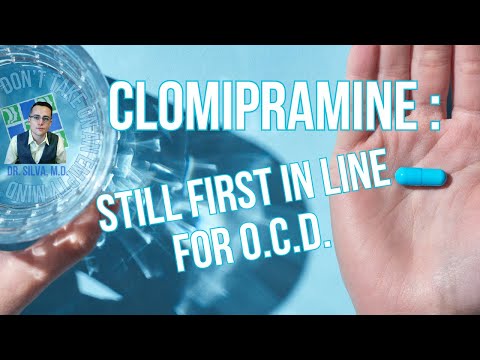
One of the primary uses for clomipramine is for treating Obsessive-Compulsive Disorder (OCD). Imagine having thoughts that just won’t quit—like a song stuck on repeat. That’s what OCD can feel like. Clomipramine helps reduce those intrusive thoughts and the compulsive behaviors that often accompany them. It’s like turning down the volume on that annoying song in your head.
Apart from OCD, this medication is also prescribed for depression and sometimes for chronic pain or even anxiety disorders. When someone’s feeling really down or anxious all the time, clomipramine can help lift their mood by flooding their system with good vibes from neurotransmitters like serotonin and norepinephrine.
But there’s more to it than just mood improvement. Clomipramine can help improve emotional wellbeing and boost mental clarity too. You know those days when your brain feels foggy? Many people report clearer thinking after they start taking this medication. Picture yourself walking through a thick fog one day, unable to see where you’re going. Then suddenly, the sun comes out! That clarity can make decisions easier.
When it comes to benefits, here are some key points:
- Efficacy: It’s been shown to be effective in reducing symptoms for various conditions.
- Dose Flexibility: It comes in different dosages; sometimes starting low and working up helps find the right fit.
- Long-term Use: Some people use it long-term effectively without too many adverse effects.
But like anything good, there are some downsides you should know about too. Some folks experience side effects like drowsiness, dry mouth, or even weight gain—sort of like how you might feel sluggish after a big meal. Everyone reacts differently; what works wonders for one person might not be ideal for another.
In therapy or treatment plans, clomipramine often complements other approaches like cognitive-behavioral therapy (CBT). Imagine tackling a challenge from two angles: medication helps balance things out while therapy gives you practical tools to cope with life stuff.
It’s important to never stop taking any medication without talking to your healthcare provider first! Suddenly stopping clomipramine can lead to withdrawal symptoms or a return of those pesky feelings we were trying to manage.
So if you or someone you care about is curious about this medication—just know there are options out there! Understanding medications like clomipramine—especially with their uses and benefits—is crucial in navigating your mental health journey. Each choice can make a real difference in your overall emotional wellbeing and mental clarity over time.
Understanding Anafranil: Is it a Mood Stabilizer for Mental Health?
Sure thing! Let’s talk about Anafranil and whether or not it can be considered a mood stabilizer for mental health.
Anafranil, or clomipramine if we want to get technical, is actually classified as a tricyclic antidepressant. It’s mostly used to treat obsessive-compulsive disorder (OCD) and sometimes depression. So, right off the bat, it isn’t exactly a mood stabilizer like you might think of in the context of bipolar disorder or related conditions.
What it does is help balance certain chemicals in your brain, especially serotonin and norepinephrine. By doing this, it can help ease anxiety and improve your mood over time. So you could feel more stable emotionally after using it for a while, but that doesn’t make it a typical mood stabilizer. You follow me?
Now let’s break down some key points about Anafranil:
- Uses: Primarily for OCD and major depressive disorder.
- Mechanism: It affects neurotransmitters in the brain.
- Effects: May improve overall emotional well-being but not specifically targeted as a mood stabilizer.
- Side Effects: Like any medication, there can be side effects such as drowsiness or weight gain.
So picture this: my friend Sarah struggled with OCD for years. She got prescribed Anafranil after trying other treatments that just didn’t click for her. Over time, she started feeling less anxious and had clearer thoughts—not perfect but definitely better! It’s important to note though that everyone reacts differently to meds.
Now back to whether it’s a mood stabilizer—it’s not typically used for people who have bipolar disorder or major mood swings. Mood stabilizers like lithium or valproate are what you usually see in those cases since they’re more effective at leveling out extreme highs and lows.
In summary, Anafranil isn’t a mood stabilizer, but it can help with emotional clarity and well-being. If you’re curious about how this might work for you or someone else, definitely reach out to a healthcare provider! They’ll take the time to assess your individual needs and discuss the options available.
So yeah, while Anafranil can impact your mood positively over time—and that’s awesome—it doesn’t fill the role of traditional mood stabilizers as we know them. Hope that clears things up a bit!
Understanding Anafranil 25mg: Uses, Benefits, and Treatment Options for Mental Health
Anafranil, also known by its generic name clomipramine, is a medication that’s primarily used to treat Obsessive-Compulsive Disorder (OCD). It falls under the category of tricyclic antidepressants. And while it’s got some heavy lifting to do, it can really help with emotional well-being and mental clarity for some folks.
So, what’s the deal with Anafranil at a dose of 25mg? Well, it’s often prescribed when someone struggles with persistent, unwanted thoughts and behaviors that come with OCD. Think about it like this: you might be washing your hands repeatedly. It’s not just a habit; it can take over your life! Anafranil helps reduce those intense urges, allowing you to focus on other things.
- Uses: Besides treating OCD, Anafranil can also be used for conditions like depression and anxiety disorders. Some doctors even use it for chronic pain or sleep issues.
- Benefits: The main benefit here is that it can help you manage those overwhelming thoughts and compulsions. A calmer mind allows you to tackle daily tasks more effectively.
- Treatment Options: It’s super important to remember that Anafranil often works best when paired with therapy. Cognitive Behavioral Therapy (CBT) is great alongside meds for OCD because it teaches new coping strategies.
If you’re thinking about taking Anafranil or are already on it, there are a few things to keep in mind. Side effects can include drowsiness or dry mouth—you know? Basic stuff but annoying nonetheless. Also, everyone reacts differently; what works wonders for one person may not do much for another.
I remember a friend of mine who was stuck in an endless loop of checking locks and lights at home. It was exhausting! After trying therapy combined with Anafranil 25mg, they felt so much better. They still had their moments but learned ways to cope without letting those compulsions control their life completely.
The bottom line? This medication might just be the support you need if you’re dealing with obsessive thoughts or impulse control issues. But always talk to your healthcare provider about concerns or questions—it’s crucial to have someone guiding you through the process!
So, let’s talk about Anafranil, or clomipramine, which is this old-school medication mainly used for obsessive-compulsive disorder (OCD) but can be helpful for other things too. Picture a friend who was always stressed and felt like their mind was racing a mile a minute. They struggled to find peace among the chaos in their thoughts. That was life before they tried Anafranil.
When they started with a low dose of 25 mg, something shifted. It wasn’t like magic; more like turning down the volume on that never-ending internal dialogue. Yeah, there were adjustments to make along the way—maybe some side effects that needed dealing with—but overall, they noticed improved emotional stability and mental clarity. Suddenly, everyday tasks didn’t feel so overwhelming.
But here’s the catch: it’s not a one-size-fits-all scenario. It works differently for everyone. Some people might not feel much change at all, and others could experience more relief than they ever thought possible. Plus, integrating therapy while on medication can totally amplify those benefits.
Listening to my friend describe their journey made me realize how crucial it is to find what works for you personally. Whether through meds like Anafranil or different routes of therapy or lifestyle tweaks, what matters is finding your balance and feeling better in your own skin. So if you’re considering it or know someone who is, just know it’s about figuring out your unique path; there’s no right answer here!