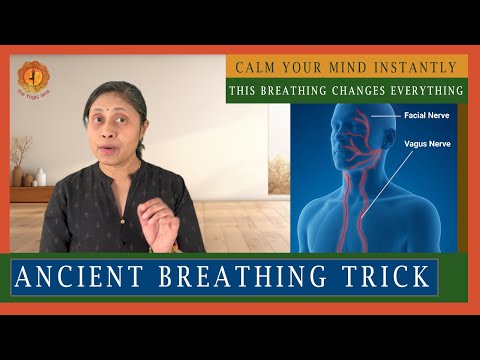
You know how sometimes you feel completely overwhelmed? Like your brain is buzzing with a million thoughts and you just can’t catch a break?
Well, what if I told you there’s a simple way to chill out that goes way back—like, ancient times back?
Yup, we’re talking about breathing techniques that people have been using for centuries. Crazy, right?
These methods are surprisingly effective for finding some peace in our chaotic modern lives. Seriously, it’s like hitting the reset button for your mind.
You might think it sounds all zen and stuff, but trust me, they can totally fit into your everyday routine.
Let’s chat about how these age-old practices can make a real difference in managing stress and boosting your mood!
Unlocking Ancient Wisdom: The Transformative Power of Breathing Techniques for Mental Well-Being
Breathing techniques have been around for ages, right? Throughout history, cultures have used them to promote mental well-being. It’s fascinating how something so simple can have such a big impact on our minds. When you think about it, breathing is the one thing we’re constantly doing, yet we often don’t pay attention to it.
When we focus on our breath, it can transform how we feel. There’s this thing called deep breathing that helps calm down your nervous system. Basically, when you take slow, deep breaths in and out, your body gets the signal that it’s safe and time to relax. This can reduce feelings of stress and anxiety.
There’s also a technique known as 4-7-8 breathing. Here’s how it works: You inhale through your nose for four seconds, hold your breath for seven seconds, and then exhale through your mouth for eight seconds. Give it a shot! It’s like hitting a reset button for your mind. It’s super grounding and helps center you when life feels chaotic.
Another popular method is box breathing. This one is really cool because it’s all about rhythm—kind of like a dance with your breath! You inhale for four counts, hold for another four counts, exhale for four counts, and then hold again for four counts before repeating the cycle. People in high-stress jobs—like first responders or military personnel—use this technique to stay calm under pressure.
Now let’s touch on mindful breathing. This isn’t just about the breaths themselves; it’s about paying attention to how you breathe and what you’re feeling while doing so. Maybe try sitting quietly somewhere comfortable, focusing solely on each inhale and exhale without judging yourself for any thoughts that pop up. I remember trying this after a rough day at work—and wow! Just tuning into my breath made those worries fade away like clouds parting after the rain.
Breathing techniques can also help with insomnia or just those nights when you can’t seem to shut off your brain before bed. If you’ve ever tossed and turned thinking about everything under the sun—you’re not alone! Breathing exercises set a calming atmosphere that tells your body it’s time to wind down.
But there’s more! Some ancient practices link breathing with our emotions too—like in yoga or tai chi where movement goes hand-in-hand with breath control. It creates this flow that brings together mind and body in harmony.
In sum, embracing these age-old methods opens up paths towards mental wellness that blend seamlessly with modern life. Just remember: no matter how crazy things get around you, you have this simple tool at your fingertips—your breath—to find peace amidst chaos.
Unlocking Mental Wellness: Ancient Breathing Techniques for Modern Healing (Free PDF Guide)
Breathing techniques, yeah, they sound pretty simple, but they can be a total game-changer when it comes to mental wellness. Seriously, let’s talk about how some ancient practices can help you chill out in today’s chaotic world.
First off, why breathing matters. You might not realize this, but the way you breathe can totally impact your emotions and stress levels. When you’re anxious or stressed, your breathing gets quicker and shallower. This switches on your body’s stress response. But on the flip side, slow and deep breathing activates that chill mode in your nervous system.
So, what are these ancient techniques? Well, there are a few standout methods that have been around for ages:
Alrighty then! Let’s think about how these might work in real life. Picture this: You’re at work and feeling overwhelmed with deadlines piling up like crazy. Instead of reaching for that extra cup of coffee (which may only get your heart racing more), you could take a few minutes to practice box breathing right there at your desk. Just focus on those counts—inhale through your nose… hold… exhale slowly through your mouth… repeat until you feel calmer.
Breathing exercises don’t just help with relaxation; they can also boost focus and clarity. Like when you’re studying or need to nail that presentation—slowing down enhances concentration.
Still not convinced? Well, there’s research backing this stuff up too! Studies show that people who regularly practice deep breathing techniques often report lower stress levels and feel less anxious overall.
What about doing this with friends or family? You could set aside some time together to learn these techniques as a group activity. It helps create a supportive environment where everyone feels comfortable opening up about their feelings.
One important thing to keep in mind is that while these techniques are powerful tools for promoting mental wellness, they aren’t a replacement for professional help if you’re struggling seriously with mental health issues. They’re more like added bonuses to complement therapy or medication if needed.
To wrap it all up: ancient breathing methods are super practical and accessible ways to enhance your mental wellness today! So why not give them a shot? You may just find some peace amidst the noise of daily life.
Unlock Calmness: Download the SKY Breathing Technique PDF for Enhanced Mental Well-Being
Alright, let’s talk about something that can really help you chill out: the SKY Breathing Technique. It’s all about using ancient breathing practices to boost your mental wellness today. Sounds like a plan, right?
First off, what exactly is SKY? Well, it stands for Sudarshan Kriya Yoga. It’s an ancient breathing technique designed to connect your body and mind. Basically, you use your breath to calm yourself down and create a sense of peace.
Here’s the cool part: when you practice this technique, you’re not just breathing; you’re kind of reprogramming how your brain deals with stress and emotions. You know that feeling when everything’s too much? This method helps take that edge off.
If you’re curious about how it works in a practical sense, here are some key points:
- Controlled Breathing: Everything starts with deep, controlled breaths. This can lower cortisol levels – that nasty stress hormone.
- Rhythm: The SKY technique involves specific rhythms in your breath. It’s like finding a groove that suits your body.
- Meditation Component: You combine the breathing with quiet meditation which helps clear your mind.
- Emotional Release: Many people find they can let go of negative feelings after practicing this.
Imagine sitting quietly and focusing on your breath while letting worries drift away. Seriously, it’s transformative! I remember trying this for the first time during a particularly chaotic week at work. I was stressed to the max and just needed to find my center again. After practicing for just a few minutes each day, I felt lighter—like someone had taken a weight off my shoulders.
Now, while some folks might think it’s just another trendy thing popping up in mental health talks, there’s actually some solid research backing breathing techniques like SKY as effective ways to manage anxiety and improve overall well-being.
So if you’re thinking about adding something new to your routine for mental clarity or emotional balance, downloading a PDF guide on SKY could be super helpful! You’ll get structured practices laid out step by step—it’s like having a friend guide you through it all.
In short, using techniques like SKY can really affect how you handle life’s ups and downs—giving you tools to tap into calmness whenever you need it most! Isn’t that a win-win?
You know, when we talk about mental wellness nowadays, it can feel like we’re always chasing the latest trend or remedy. But sometimes, what we really need is something ancient that’s been helping people for centuries. I mean, have you ever tried those old-school breathing techniques? They’re surprisingly effective.
I remember this one time when I was feeling super overwhelmed. Life was throwing all sorts of curveballs my way—work stress, relationship drama, you name it. I stumbled upon this guided breathing exercise that was based on a technique used by yogis ages ago. At first, I thought it seemed kind of silly; like, how could just breathing fix anything? But man, did it change my perspective!
Breathing techniques often focus on slowing down your breath and tuning into your body. There’s something grounding about it, almost like taking a mini-vacation from your thoughts. You start inhaling deeply and exhaling slowly—it’s just you and your breath for those few moments. It helps clear out the mental clutter and feels like hitting a reset button in your brain.
The cool thing is these techniques aren’t just for meditation enthusiasts or zen masters; they can be for anyone who’s stressed out or anxious—like most of us at some point, right? Whether you’re in line at the grocery store or stuck in traffic, taking a minute to focus on your breath can ease up that tightness in your chest.
When you think about it, our ancestors figured this out long before we had fancy apps or therapists to guide us through our emotions. They understood that simple acts could create big changes in how we feel. So yeah, maybe there’s wisdom in these ancient practices that we can apply today.
It’s like rediscovering an old song you loved as a kid but forgot about as life got busy—when you hear it again, all those feelings come flooding back! Breathing might sound basic but engage with it mindfully and you’ll see just how profound it can be for modern-day stresses. You follow me? It’s such a powerful tool waiting right under our noses—literally!