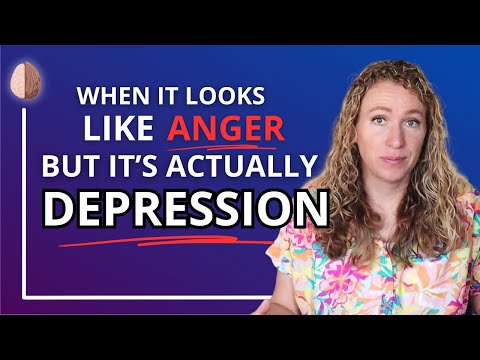
You know that feeling when you’re just kinda on edge? Like, everything annoys you, and you can’t shake this heavy weight off your chest? Yeah, that’s anger and depression trying to wave hello.
Sometimes it’s hard to spot the signs. Is it just a bad day or something more? You might find yourself feeling frustrated or down more often than you’d like.
It’s super common. Seriously, everyone has those moments when it all feels too much. But recognizing what’s really going on can be a game changer for your mental health.
Let’s chat about how to spot those sneaky symptoms before they take over and what you can do to feel better. Cool?
Identifying the Symptoms of Anger and Depression: A Comprehensive Guide
Anger and depression can often feel like two sides of the same coin. You might think you’re just mad at the world, but underneath, despair is lurking. It’s tricky, right? Knowing what to look for can really make a difference in understanding how you or someone you care about is feeling.
Symptoms of Anger can be pretty clear-cut but sometimes sneak up on you. Here are some common signs to keep an eye out for:
- Irritability: You find yourself snapping at people over small things. Like getting upset when your friend forgets something trivial.
- Physical tension: You might feel tightness in your jaw or muscles. It’s like your body is on high alert all the time.
- Ever yelled at someone for something that wasn’t even that serious? Yeah, that’s part of it.
- Avoidance: You could start steering clear of situations or people that trigger your anger.
- Constantly thinking about what made you angry, playing it over and over in your head.
Let’s talk about a moment I had with a friend, who was always so easygoing. One day, they snapped over a spilled drink during game night—it seemed out of nowhere! Later, they confided that they’d been feeling really low lately. Oh man, it all clicked into place then; their anger was just a cover-up.
Now shifting gears to symptoms of depression, which can be more subtle and insidious:
- Persistent sadness: Feeling down most days for an extended period—like everything feels gray.
- Lack of interest: Things that used to excite you suddenly seem boring; that once-loved hobby feels pointless now.
- Even simple tasks like showering feel exhausting—seriously draining energy!
- Sleeping too much or too little; basically turning into a sleeping zombie or an insomniac!
- Struggling to focus on work or even reading a book—it’s like your brain is stuck in molasses.
Think about another instance—a family member once told me they’d lost interest in their favorite shows and spent hours just staring blankly at the wall. They didn’t realize at first how far down they were slipping until someone pointed it out.
So here’s the thing: alertness matters!. If you’re spotting these symptoms—either one can pack a nasty punch on its own or play off each other—don’t hesitate to look for help! Addressing them early can really change the game.
Recognizing these feelings isn’t always easy. But being aware of the symptoms is such a crucial step towards feeling better and reclaiming joy again.
Understanding Anger: Mental Illnesses Where Anger is a Key Symptom
Anger, right? It’s a powerful emotion that can sometimes feel overwhelming. You know when you’re just sitting there, and suddenly, your heart races, your fists clench, and it seems like everything is just… too much? That intense feeling can actually be linked to several mental health conditions. Let’s take a closer look at how anger fits into the puzzle of mental health.
1. Depression
You might think of depression as just feeling sad or down. But it can get more complicated than that. In some cases, it transforms into something called *anger turned inward.* You feel frustrated or upset, but instead of expressing it outwardly, you might end up blaming yourself. It’s like that moment when you see something that makes you mad about your life but don’t know how to express it. That’s a sign that depression might be at play.
2. Anxiety Disorders
When anxiety creeps in, it can make even the smallest situations feel huge and unmanageable. This constant state of worry can lead to what’s known as *irritability.* You may find yourself snapping at friends or family over little things—like when someone takes the last slice of pizza! This isn’t just moodiness; it’s like your emotional circuits are fried from all that tension.
3. Bipolar Disorder
In bipolar disorder, mood swings are the name of the game. During manic phases—when everything feels elevated—you might experience irritability or anger that seems out of nowhere. Imagine being on a rollercoaster where you think everything’s fantastic one minute but then you’re furious about something trivial the next. Those swings can leave you—and those around you—feeling pretty confused.
4. Intermittent Explosive Disorder (IED)
This one’s more specific—it involves sudden episodes of extreme anger that seem disproportionate to the situation at hand. Like if someone cut in front of you in line and instead of grumbling under your breath, you’re yelling at them like they stole your lunch money! People with IED often feel embarrassed afterward but struggle to control those intense outbursts.
5. Borderline Personality Disorder (BPD)
With BPD, anger often comes into play during conflicts or perceived abandonment situations. It’s not uncommon for someone with BPD to react with intense rage when they feel someone is pulling away—like an emotional volcano waiting to erupt! These reactions are tied deeply to fear and instability within relationships.
So what can be helpful if you’re recognizing these symptoms in yourself or others? Seeking help from a mental health professional is super important here! Therapies like Cognitive Behavioral Therapy (CBT) can help manage anger by teaching coping mechanisms and ways to express feelings effectively.
Remember: Anger itself isn’t bad—it’s all about how we handle it that matters most! Understanding its links to various mental illnesses can open doors for better communication and treatment options down the road.
If something feels off for either you or someone close to you, looking into these patterns could be key in navigating through them together!
Recognizing Mental Illness: Top 3 Key Signs and Symptoms to Watch For
Recognizing mental illness can be tricky, especially when it comes to anger and depression. Those two emotions often overlap, making it hard to see what’s really going on. So, let’s break down some of the signs and symptoms you might want to keep an eye on.
1. Persistent Irritability or Anger
You know that edge you sometimes feel? Like everything is just too much? Well, if you or someone you care about feels irritable or angry for a long time, it might be a signal something deeper is happening. It could be a bad day, but if that feeling lingers for weeks or months, that’s worth noticing! This can show up in little ways—like snapping at friends or family over small stuff—or more intense episodes where anger feels like it’s boiling over.
2. Loss of Interest
Have you ever noticed yourself not caring about things you used to love? It’s wild how someone can go from being super into a hobby to barely wanting to get out of bed. When depression creeps in, activities that once brought joy may start feeling like chores instead. This might mean ditching plans with friends or ignoring that favorite book on the shelf. If you’re seeing this kind of shift in yourself or others, pay attention!
3. Changes in Sleep Patterns
Sleep issues are like the sneaky little gremlins of mental health. If someone suddenly can’t sleep at all—or is sleeping way more than usual—that’s not just fatigue; it’s a red flag! Insomnia could mean racing thoughts tied up with anger and anxiety while sleeping too much might hint towards depression taking hold. You see sleep affects everything—it’s where your brain recharges and processes emotions.
So yeah, these signs aren’t just random quirks; they point toward potential struggles with anger and depression. Recognizing them early on can make a big difference—like opening the door to better understanding and support for yourself or those around you! Remember though: spotting these signs is one step; reaching out for help is another important part of the journey.
You know, it can be really tricky sometimes to pick up on when you or someone else is feeling kind of off. I mean, we all have those days when we’re a bit cranky or moody. But distinguishing between everyday feelings and something a little deeper, like anger or depression? That’s a whole different ballgame.
Take my buddy Jake, for example. He’s one of the happiest guys I know—always cracking jokes and making plans. But over the past few months, something changed. He started snapping at people for tiny things—you know, the kind of stuff that wouldn’t normally bother him. At first, I thought he was just having a rough patch at work or something. But then one night, he let it all spill out: he felt trapped in his mind and completely exhausted by everything around him.
Anger can show up in these sneaky ways. Sometimes it’s loud and obvious—like yelling or throwing things—but other times, it’s more subtle. You might notice yourself constantly feeling irritable or having this simmering frustration underneath the surface that seems to bubble up outta nowhere. And then there’s depression, which often feels like being stuck in quicksand; you know you’re sinking but can’t quite figure out how to climb out.
So how do you even start recognizing these feelings? Well, if you’re finding yourself snapping at friends for no good reason or feeling super drained even after a full night’s sleep, pay attention! Those could be red flags that something deeper is brewing.
And then there are physical symptoms too. Like headaches from stress or stomach issues because your mind won’t shut off—ever had that? It’s wild how our bodies react to what we’re feeling inside.
Emotions are complex; they don’t come wrapped up in neat little packages with labels on them. Sometimes anger can mask sadness and vice versa; it’s like playing emotional poker where you’re trying to keep your cards close but eventually they’re gonna show.
The thing is getting help isn’t about being weak or admitting defeat—it’s about recognizing you deserve to feel better. If you notice these symptoms in yourself or someone close to you—just bring it up gently! It could make all the difference in the world for both of you.
So yeah, keeping an eye on how you’re feeling isn’t just self-care; it’s just plain smart! Start looking for those signs not just in yourself but also in your loved ones—it could change everything from relationships to overall happiness!