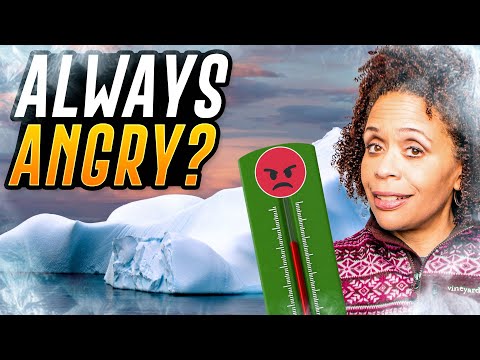
Anger, huh? It’s something we all deal with, right? You’re cruising through life, and then bam! Something tips you over the edge.
Maybe it’s a frustrating coworker or that never-ending line at the coffee shop. Honestly, it can feel like a volcano ready to blow.
But here’s the thing: anger isn’t just an emotion; it can be a pretty big challenge for our mental health. Seriously.
Sometimes, it sneaks up on us and shapes how we see everything around us. It’s like wearing glasses that only show the world in red.
Let’s chat about how anger affects our lives and what we can do to manage it better. You in?
Effective Strategies for Responding to Emotional Outbursts: Navigating Conflict with Confidence
When you’re dealing with emotional outbursts, especially anger, it can be pretty overwhelming. Seriously, we’ve all been there at some point—maybe it’s a friend blowing up over a tiny issue or even a family member on the edge. The thing about anger is that it can erupt like a volcano for so many reasons. It’s often tied to deeper feelings, like frustration or anxiety, so navigating those moments requires some strategy.
First off, staying calm is crucial. Seriously, if you match their intensity with your own anger or frustration, you’re just fueling the fire. Instead, take a step back and breathe. Count to ten in your head if you need to. This helps you manage your reactions and keeps the situation from escalating even further.
Another important thing is active listening. When someone is venting or yelling, it’s easy to tune them out or think of your response while they’re talking. Try focusing instead on what they’re saying. Validate their feelings; tell them you understand why they feel that way—even if you don’t fully agree. This doesn’t mean you condone their behavior but acknowledging their feelings often helps defuse anger.
Also, setting boundaries is key when things get heated. If someone’s aggression feels like too much for you to handle—or even threatening—let them know what’s acceptable and what’s not in your interactions. You gotta protect your well-being too! For example, saying something like “I want to talk about this calmly; let’s take a break and revisit later,” can work wonders.
Let’s be real: sometimes people just need time to cool off before any productive conversation happens. So don’t rush into resolving everything right away! Taking that step back can lead to better discussions when tempers have settled down.
And speaking of cooling off, using «I» statements during those calmer moments helps express feelings without blaming anyone outright. For example, saying “I feel hurt when…” instead of “You always make me feel…,” puts the focus on your feelings rather than attacking the other person.
Lastly, remember that seeking help can also be part of effective strategies for dealing with outbursts—either yours or someone else’s. Sometimes professional support from a therapist could help uncover deeper issues rooted in anger management.
Life happens between us all—it gets messy sometimes! So next time emotions start bubbling over in conflict situations? Just lean into these strategies and navigate through it with confidence!
Understanding Emotional Triggers: Why You Lash Out at Your Partner and How to Improve Communication
Understanding emotional triggers is a big deal when it comes to relationships. Sometimes, you might find yourself lashing out at your partner over seemingly little things. You know, like when they leave their shoes in the middle of the hallway, and suddenly you feel like you’re about to explode? That’s where emotional triggers come into play.
So, what’s an emotional trigger? Basically, it’s something that sets off a strong emotional reaction. These can be based on past experiences or even unresolved issues. They can hit hard and cause you to react in ways that feel totally out of control. It might not be about the shoes, but about feeling unappreciated or ignored. And that’s totally human.
Anger itself can be a mental health challenge. It’s not just about rage; it can stem from feelings of hurt, frustration or fear. When we don’t process these feelings properly, they bubble up and spill over at the wrong moments. Think about a time when you snapped at your partner after a long day—probably a lot was going on beneath the surface.
Here are some key points to consider:
- Recognize Your Triggers: Try to identify what specifically gets under your skin. Is it certain phrases? Maybe it’s how they respond during disagreements?
- Reflect on Your Past: Sometimes our reactions are connected to previous experiences that made us feel less than valued or safe.
- Practice Self-Regulation: This means taking a step back before reacting. Breathe deeply or count to ten—whatever helps.
- Communicate Effectively: Share with your partner what you’re feeling without blaming them for your anger.
- Seek Support if Needed: If anger feels overwhelming, talking with a therapist can seriously help untangle those emotions.
Let’s say you’ve recognized that being criticized makes you feel inadequate because of past experiences where you were judged harshly by family or peers. Instead of lashing out defensively at your partner when they point something out, try saying something like, “I’m struggling with how this makes me feel.” It opens up the discussion instead of shutting it down.
Another vital piece is understanding how communication affects your relationship dynamics. When emotions run high, words can come out wrong, leading to misunderstandings and more conflict. So practicing clear communication isn’t just nice—it’s necessary.
Using “I” statements can really help here too! Instead of saying “You always do this,” try “I feel overwhelmed when there’s clutter around.” It shifts focus from blame to expressing feelings.
Improving communication also involves active listening—really hearing what your partner is saying rather than just thinking about how you’ll respond next. Honestly listening helps create trust and understanding between both of you.
To put it all together: understanding emotional triggers takes reflection and effort but leads towards healthier interactions with those we care about most. So next time you’re feeling that rush of anger bubbling up inside—pause for a moment and think about what’s really behind it! It’s all about creating more space for connection rather than conflict in our relationships.
Effective Strategies for Managing Conflict with an Angry Partner
Managing conflict with an angry partner can be, well, super challenging. You might feel like you’re walking on eggshells, trying to figure out what will set them off next. The thing is, anger is a natural emotion, but sometimes it can get out of control. Let’s talk about some effective strategies to handle these tough moments while keeping your cool.
Stay Calm: When your partner is furious, it’s easy to let their emotions pull you in. But staying calm can help de-escalate the situation. Take a deep breath or count to ten before responding. Seriously, this little pause can make a huge difference.
Listen Actively: When they’re expressing their feelings, really listen. Try not to interrupt or defend yourself right away. Just nod and show that you’re paying attention. It’s like giving them space to vent their feelings without feeling judged.
Validate Their Feelings: You might not agree with what they’re mad about, but acknowledging their feelings is key. Saying something like, “I see why you’re upset” lets them know you get where they’re coming from even if you don’t see eye to eye.
Use “I” Statements: Instead of pointing fingers or saying “you always,” try using “I” statements. For example: “I feel hurt when…” This way, it sounds less accusatory and opens up room for dialogue instead of defensiveness.
Set Boundaries: If the anger turns into yelling or hurtful words, it’s vital to set clear boundaries about what behavior is acceptable. You could say something like: “I want to talk about this, but I need us both to keep our voices down.”
Take a Timeout: Sometimes things get heated and the best move is just… stepping back for a moment. You could say: “Let’s take a break and come back in 20 minutes.” A little time away can help both of you cool down and think more clearly.
Avoid Escalating the Situation: This one’s huge! Avoid raising your voice or matching their anger; it only fuels the fire. Stay focused on finding solutions instead of getting caught up in blame games.
And look—a personal story here might help illustrate this point better: I remember watching my buddy try to reason with his partner during one of those classic kitchen disagreements (you know the type). He stayed calm while she was pretty irate about something silly—like dishes left in the sink! Instead of arguing back, he listened patiently and then gently put his own feelings into perspective without attacking her viewpoint. Amazingly enough, that opened up a productive conversation rather than an all-out brawl.
There’s no magic bullet for conflict resolution—it takes practice and patience from both sides—but implementing these strategies can make things so much easier over time! It’s all about keeping communication open and respectful while addressing those emotions at play without letting them take over completely. So give them a shot next time things heat up!
Anger, huh? It’s one of those emotions that can be super tricky. Sometimes, it just feels like this powerful surge, right? Like you’re on fire. Other times, it sneaks up on you quietly, and before you know it, you’re fuming over something that seems so small. It’s like a double-edged sword.
I remember a time when I lost my temper at a friend during a game night. We were just joking around, and then suddenly, I snapped over a stupid comment. That feeling was intense; my heart raced and I felt so out of control. The thing is, the anger didn’t just affect me—it put a wall between us. It took days of apologizing and talking to mend things. And here’s the kicker: that outburst had nothing to do with the game; it was all about stress piling up from work and personal stuff.
Anger can seriously impact your mental health in ways you might not even realize. A lot of folks think anger is just about being mad or irritated, but it often masks deeper feelings like hurt or fear. When we don’t deal with those underlying emotions, they tend to bubble up in unhealthy ways—like yelling at loved ones or shutting people out completely.
And let’s not forget how chronic anger can lead to physical issues too! Stress-related problems like headaches or insomnia are all too common when you’re constantly angry about something—anything! It’s kind of unfair when you think about it; anger can affect both your mind and body.
But here’s where things get interesting: while anger itself isn’t bad, how we handle it makes all the difference. Finding healthy outlets can really help—like talking to someone who gets it or even smashing some pillows! Seriously though, letting off steam in a constructive way can turn that raging fire into more of a warm glow.
So if you ever find yourself wrestling with your own anger—or maybe seeing friends struggle with theirs—take a step back. Try to figure out what’s really going on underneath all that heat. You might be surprised at what pops up!