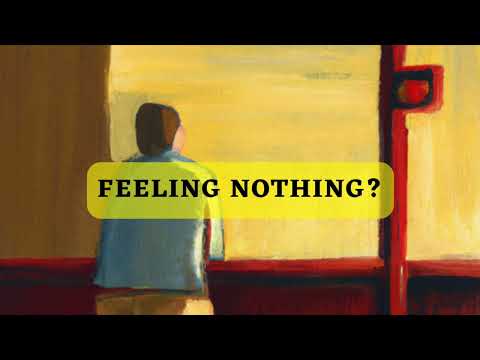
You know that feeling when you’re just… numb? Like, everything feels flat, and the joy is just gone? That’s kinda what anhedonia is all about.
Now, mix that with Borderline Personality Disorder (BPD) and you’ve got a whole whirlwind of emotional chaos. Seriously, it’s like your feelings are on a rollercoaster that keeps getting stuck upside down.
One minute, you’re soaring high with excitement, and the next, it’s like someone flipped a switch. You find yourself trapped in this emotional disconnect.
It can be confusing—and honestly, pretty isolating. So let’s unravel what that all means together. It might help shed some light on why things can feel so overwhelming sometimes. Sound good?
Understanding Anhedonia in Individuals with Borderline Personality Disorder (BPD): Insights and Implications
Anhedonia is one of those terms that sounds super fancy, but it basically means the inability to feel pleasure. Imagine waking up one day and everything you used to enjoy—music, food, hanging out with friends—just feels flat, like a soda that’s gone all fizzy. For someone dealing with Borderline Personality Disorder (BPD), this experience can be even more complicated.
People with BPD struggle with intense emotions and unstable relationships. So, when anhedonia kicks in, it can feel like a double whammy. You have this emotional rollercoaster going on already, and then suddenly, the things that would normally help you cope just don’t hit the same way anymore. It’s like being on the outside looking in while everyone else is enjoying life.
Now, let’s talk about why anhedonia happens in BPD. There are a few contributing factors:
- Emotional Dysregulation: Folks with BPD often experience emotions more intensely than others. When they hit an emotional low, it can block out all those feelings of joy.
- Trauma History: Many people with BPD have faced trauma or neglect. This background can make it tougher for them to connect with positive experiences.
- Cognitive Patterns: Negative thoughts about oneself or the world can overshadow any chances of feeling pleasure.
Think about a time when you felt really down—it’s hard to get excited about anything when your mind is stuck in that dark space. So for someone with BPD who also has anhedonia, it’s a frustrating cycle where the lack of enjoyment feeds into their problems.
Now let’s get real for a second: imagine Lisa. She loves painting; it’s her thing! But lately? She can’t even pick up her brushes because nothing seems inspiring anymore. It feels like her creativity has been zapped away. And even though she knows she used to love painting and it made her happy, right now? It just feels pointless.
The implications of this disconnect are serious. Anhedonia doesn’t just take away joy; it can lead to isolation and even worsen symptoms of depression or anxiety. And when relationships start suffering because someone isn’t engaging as much anymore? It’s tough on everyone involved.
So what does this mean for therapy? For individuals facing this combo of issues—anhedonia plus BPD—approaches might include:
- Cognitive Behavioral Therapy (CBT): This helps challenge negative thought patterns that keep emotions stuck.
- Dialectical Behavior Therapy (DBT): Focuses on teaching skills for emotion regulation and mindfulness.
- Activity Scheduling: Encouraging small goals to reintroduce pleasurable activities step by step.
Through therapy or support systems, individuals can work on recognizing their feelings and slowly re-engaging with activities that once brought joy—even if they feel distant right now.
It’s not easy navigating life with both anhedonia and BPD—it really does feel overwhelming at times! But understanding these emotional disconnects is such an important first step toward finding ways back into a fuller life again. When people know what they’re dealing with? Well, that’s power!
Understanding Anhedonia in Borderline Personality Disorder: Insights from Reddit Discussions
Anhedonia can feel like a heavy fog hanging over your life, especially for those dealing with Borderline Personality Disorder (BPD). You know, it’s that feeling of not being able to enjoy things you used to love. Imagine loving to paint as a kid. Now, you stare at the brush and canvas but feel nothing. No joy, no excitement—just blankness.
In online discussions, especially on platforms like Reddit, people dive into how **anhedonia** affects them within the context of BPD. It’s often tied to emotional dysregulation which is a big deal for folks with this disorder. They might have intense emotions one minute and then feel nothing the next. This can lead to frustrating cycles where they swing from extremes without any real sense of stability.
One common thread in these conversations is that **anhedonia** can make relationships really tricky. You might crave connection but then find yourself pushing people away because you just can’t feel anything positive about spending time with them. The irony? You want closeness but often your emotional disconnect drives others away.
People talk about experiences like **losing interest in hobbies** or even regular day-to-day activities. It’s not just about feeling sad; it’s more like a complete absence of pleasure. For example, someone might have been a huge music fan but suddenly finds themselves unable to enjoy listening to their favorite songs anymore. That’s tough because music used to be a safe space for them.
So how does this work? Well, BPD often brings intense feelings of emptiness or loneliness, which can lead right into anhedonia as coping mechanisms kick in. It’s like when you stub your toe; instead of letting the pain in your toe just be there, you might focus so hard on it that everything else fades away—including your ability to enjoy life.
In some chats online, individuals express frustration over this disconnect—they want help but aren’t sure how or what will truly bring back their joy. Some find that therapy works wonders by slowly reconnecting them with their emotions and interests again. Others share how medication has helped lift the fog a bit so they can start experiencing joy once more.
But it’s not all black and white; managing anhedonia is often about gradual steps rather than quick fixes! It could involve experimenting with new activities or revisiting old ones even if they don’t spark anything right away—just keeping that door open, you know?
Ultimately, understanding anhedonia in BPD through these **Reddit discussions** gives insight into shared experiences and potential paths for healing. It shows that while the emotional landscape may be rocky now, there are ways forward and community support can make those steps less daunting.
So yeah, if you’re grappling with this kind of stuff or know someone who is, remember: you’re not alone in this journey. There are ways out of the fog—finding what resonates for you is key!
Understanding Chronic Emptiness in Borderline Personality Disorder: Causes, Symptoms, and Coping Strategies
Chronic emptiness is a tough nut to crack, especially for those dealing with Borderline Personality Disorder (BPD). This feeling can be like an unshakable fog that creeps in and dulls everything. You may feel like you’re moving through life with a big void in your chest. This sensation isn’t just annoying; it can really weigh you down.
So, what leads to this profound sense of emptiness? Well, one big factor is emotional dysregulation. People with BPD often experience emotions intensely and unpredictably. It’s like riding a roller coaster, but the rides never seem to end. You might feel extreme highs followed by devastating lows, leaving you exhausted and disconnected from your own feelings.
Another contributor is anhedonia, which is the inability to feel pleasure. For someone with BPD, this means even activities that used to bring joy might not do much anymore. Imagine loving ice cream as a kid but now eating it and feeling… nothing. That’s rough!
Symptoms of chronic emptiness can vary but often include:
- A persistent sense of being hollow or void inside
- Feeling disconnected from reality or people around you
- A lack of interest in activities that once were enjoyable
- A tendency toward self-destructive behaviors as a way to cope
You know, I once talked to someone who described this feeling as being stuck behind glass. They could see life happening but felt completely cut off from it all. It was heartbreaking. This disconnect makes forming stable relationships really hard. When others don’t understand your emotional battles, it can further amplify that emptiness.
Coping strategies play a vital role in managing these feelings of chronic emptiness. Here are some ways you might approach it:
- Mindfulness Practices: Engaging in mindfulness or meditation can help ground you in the present moment.
- Therapy: Dialectical Behavior Therapy (DBT) is particularly effective for BPD; it’s about building skills to manage emotions better.
- Sustain Relationships: Surround yourself with supportive friends or family members who understand or want to learn about your experience.
- Pursue Interests: Even if you don’t feel like doing much, pushing yourself slightly out of your comfort zone can ignite some spark back into life.
The journey isn’t easy, but recognizing and addressing chronic emptiness sets the groundwork for healing. With time, support, and some solid coping strategies, things can improve significantly—even if it feels impossible at first!
If you’re navigating this path—whether for yourself or someone else—remember: You’re not alone in this struggle. Each step taken toward understanding these feelings is a step toward breaking free from them.
Anhedonia, huh? It’s a term that might sound heavy, but it really just means the inability to feel pleasure. And when you throw Borderline Personality Disorder (BPD) into the mix, well, it gets a bit more complicated. I remember talking to a friend who has BPD. She described it like walking through life in black and white while everyone else is living in full color. You know that feeling when something you used to love suddenly feels… flat? That’s what anhedonia can do.
When people think of BPD, they often picture the intense emotions—like those wild mood swings or fear of abandonment. But anhedonia is this sneaky side of things that doesn’t always get the spotlight. Imagine wanting to enjoy your favorite meal or feeling excited about plans with friends but finding yourself just… eh. It’s like your emotional GPS is malfunctioning, leaving you feeling lost and disconnected.
The weird part? You can still experience moments of joy, but they might feel fleeting or shallow. My friend once told me about how she’d be at a concert with her favorite band playing and yet feel this emptiness in her chest. “Why don’t I feel anything?” she wondered aloud. It was heartbreaking to hear her grappling with something so real yet so elusive.
Living with BPD and anhedonia isn’t just about feeling numb; it’s also about how these feelings—or lack thereof—affect relationships. You might push people away because it’s easier than trying to explain why you can’t connect emotionally. That cycle creates more pain, deepening the emotional void.
Understanding this emotional disconnect is crucial for both the person experiencing it and their loved ones. It’s not laziness or indifference; it’s a struggle that’s very much rooted in their mental health journey. Therapy often helps unravel these feelings—cognitive-behavioral therapy (CBT) can be especially useful in fostering new ways to engage with emotions.
So yeah, anhedonia in BPD adds another layer of complexity to an already challenging condition. If you or someone you know is dealing with it, know there’s hope and support out there—a light at the end of what can feel like a long tunnel of gray.