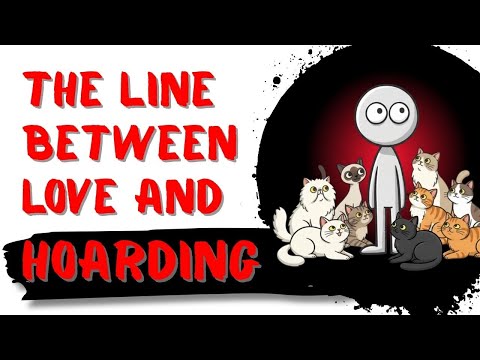
You know how sometimes you see those shows about people with a ton of pets? It’s like, why on earth would anyone have that many animals? Seriously.
Animal hoarding is this wild situation where folks end up with way more furry friends than they can handle. And it isn’t just about loving animals too much. There’s a whole psychological story behind it.
It’s not as simple as it seems, and honestly, it can be pretty heartbreaking when you dig deeper. You know? There are triggers and emotional things at play that make this happen.
So let’s chat about what drives this behavior and how it ties into mental health. You might be surprised by what we uncover!
Understanding Noah’s Syndrome: Symptoms, Causes, and Impacts on Mental Health
So, let’s chat about Noah’s Syndrome. Sounds kind of intense, huh? It’s actually a term used for animal hoarding, where someone accumulates too many animals without being able to care for them properly. This can have some serious impacts on both the person and the animals involved.
First off, people who struggle with this syndrome often feel an overwhelming need to rescue animals. They think they’re saving these creatures, but it often spirals out of control. Like, have you ever met someone who just can’t say no? That feeling gets magnified when it comes to animals. You know how it goes; they see an abandoned pup or a kitten without a home and instantly feel that tug at their heartstrings.
As for the symptoms, here’s what you might notice if someone is dealing with Noah’s Syndrome:
- Overwhelming number of pets: They may have way more animals than they can handle—sometimes dozens or even hundreds.
- Neglect: Animals might not receive proper care—like food, water, or even basic vet check-ups.
- Isolation: The person may isolate themselves from friends and family because of their situation.
- Denying issues: They typically don’t see their living conditions as a problem and resist any help.
Now let’s talk about what causes this syndrome. There are often underlying psychological issues at play here. Many individuals with Noah’s Syndrome may experience:
- Past trauma: Some have suffered loss or grief that makes them cling to animals as a source of comfort.
- Anxiety or depression: These emotional struggles can lead people to seek solace in caring for others—unfortunately, this gets twisted into hoarding.
- Lack of insight: Many don’t realize their behavior is harmful either to themselves or the pets.
The impacts on mental health can be pretty severe. Individuals might experience feelings of guilt or shame when things get out of hand but also find it hard to break free from the cycle of accumulating more pets. It’s like being stuck in quicksand; the more they try to save them, the deeper they sink into chaos.
And then there’s the impact on relationships. Friends and family can feel isolated or worried about the situation but don’t always know how to approach it without upsetting the person involved. Imagine wanting to help but feeling shut out—that’s really tough.
So yeah, Noah’s Syndrome sheds light on some deep-seated emotional issues wrapped up in animal hoarding behaviors. Understanding these connections is crucial in providing compassionate support for those affected and finding effective treatment options down the line.
Unraveling the Psychological Roots of Hoarding: Understanding the Mind Behind Excess
Hoarding can be one of those things that, at first glance, seems kinda odd. But there’s a lot going on beneath the surface. You know, it’s not just about having too much stuff; it’s tied to some pretty complex emotional and psychological factors.
So, let’s break this down, shall we? When we talk about hoarding—especially when it comes to animals—it’s usually linked to a few underlying issues:
Emotional Attachment: Many people who hoard animals often develop an intense emotional connection to them. These feelings can sometimes stem from loneliness or a lack of social support. Imagine feeling like your pets are the only friends you have. This bond makes it hard for folks to let go.
Control Issues: Hoarding can also be about control or fear of losing something important. It might feel like keeping all those animals is a way to hold onto something in life that feels secure. If everything else feels out of control, this gives them some kind of semblance of order.
Trauma and Loss: For some, past experiences play a huge role in their hoarding behavior. Maybe they lost someone significant or faced a traumatic event that made them want to cling tightly to whatever they could hold onto—even if that’s dozens of pets.
One emotional story that pops into my mind was a woman named Ellen, who had been through a rough divorce and lost her job around the same time. She began bringing home stray cats as a way to cope with her feelings of abandonment and loneliness. Over time, her home became filled with more cats than she could care for properly. It wasn’t just the cats; it was her way of trying to fill an emotional void.
Cognitive Distortions: The thought patterns people have when they hoard can be pretty warped too. They might think every animal deserves saving or have trouble understanding why having too many isn’t good for anyone involved—especially the animals themselves.
For those who struggle with these issues, therapy might help untangle these emotions and thought patterns over time. Cognitive-behavioral therapy (CBT) is often effective since it focuses on changing unhelpful thoughts and behaviors.
Furthermore, support groups can be beneficial as well because they provide connections with others who get what they’re going through—people who won’t judge but will understand where they’re coming from.
In summary, hoarding isn’t just about physical stuff; it reflects deeper psychological struggles rooted in loneliness, trauma, need for control, or distorted thinking patterns. By understanding these roots better—it opens the door toward compassion for those affected—and gives clues on how best to help them move forward without judgment or shame.
Understanding Animal Hoarding: Exploring the Psychological Roots and Mental Health Implications in 2022
Animal hoarding is a serious issue, you know? It’s when someone accumulates a large number of animals without the ability to properly care for them. It can lead to dire situations for both the hoarder and the animals involved. But what drives someone to this kind of behavior? Well, let’s dig into the psychological roots and mental health implications.
First off, animal hoarding is often linked to mental health disorders. Many hoarders struggle with conditions like obsessive-compulsive disorder (OCD), depression, anxiety, or post-traumatic stress disorder (PTSD). These conditions can manifest as an overwhelming need to collect animals, often as a way to cope with emotional pain or trauma. You see, in their minds, these animals often represent comfort and companionship.
Imagine this: A person who feels isolated after a traumatic event might think that by surrounding themselves with pets, they can fill that emotional void. In many cases, they genuinely believe they’re saving these animals and providing them with love. And that’s where it gets complicated.
Denial plays a huge role in animal hoarding situations. The hoarder may be blind to the neglect occurring within their home. It’s heartbreaking because they might not see how unhealthy their living environment has become—not just for themselves but for the animals too. The clutter and filth can lead to serious health issues for everyone involved.
Now let’s talk about socio-cultural factors. Sometimes society plays a part in this behavior. For instance, some people have grown up in households where animal care was idolized to an extreme extent—where having pets defined love and self-worth. Over time, this belief evolves into hoarding as they feel compelled to gather even more animals as a show of affection or status.
There’s also a significant lack of awareness around the issue of animal hoarding in general communities. People often don’t understand what true animal welfare looks like behind closed doors. This ignorance makes it harder for friends and family members of potential hoarders to recognize the problem until it spirals out of control.
And let’s not forget about the impact on relationships. Animal hoarding can create rifts between family members and friends who may become increasingly worried about the person collecting all those pets. They might attempt interventions or express concern which could lead to conflict because—let’s face it—no one wants to hear their lifestyle is unhealthy or harmful.
But it doesn’t have to end poorly! There are resources available for those dealing with animal hoarding behaviors.
So yeah, understanding animal hoarding as a mental health issue really requires empathy rather than judgment. Recognizing that it stems from complex psychological roots helps us approach these situations more compassionately while also seeking solutions that benefit both humans and animals involved.
Animal hoarding is one of those topics that really tugs at the heartstrings, isn’t it? You might’ve heard stories about people living in homes piled with pets, some overwhelmed and unable to care for them properly. It’s not just about having a bunch of animals; it’s about what’s happening inside the mind of the person doing the hoarding.
To dive into this a bit, let’s take a step back. Imagine someone who starts taking in more pets than they can handle. It could be a stray cat or a dog someone didn’t want anymore. At first, it’s all good intentions! They feel like they’re giving these animals a home. But then, life gets messy—literally and figuratively. Their place becomes chaotic, maybe even unsanitary. The person often struggles to see the bigger picture and may even think they’re saving these animals when in reality, they’re hurting both themselves and their furry friends.
So, what’s going on mentally? There are often deep-seated emotional issues behind animal hoarding. People might be dealing with loneliness or unresolved traumas from their pasts. It can feel like caring for these animals fills an emotional gap—the way you might hug a stuffed animal as a kid to feel safe and loved. But instead of providing comfort, it spirals into an unhealthy attachment that leads to neglect.
Take Sarah’s story for example: She started adopting cats during a tough time after losing her job and feeling isolated from friends. Each new feline felt like another layer of warmth in her heart—even as her home filled with litter boxes and chaos around her. Her love for them intensified as she twisted it into believing she had to save each one from the streets—but soon she couldn’t manage it all anymore.
That blend of compassion and denial creates such tangled emotions! People dealing with this can have trouble recognizing signs that things are out of control because they’re stuck in their own narrative—one where they’re saviors rather than overwhelmed caregivers.
And here’s another layer: our mental health system doesn’t always address these issues directly unless there’s an immediate crisis involved. Often, folks need therapy to unpack why they’ve ended up this way—why they’ve sought solace in animals instead of healthier relationships or coping strategies.
Seeing someone struggling with animal hoarding can be tough; you want to help but don’t know how without crossing boundaries or making things worse. It’s vital to approach it gently if you know someone affected by this behavior—or if you find yourself caught up in similar patterns. Compassion goes both ways; helping starts by understanding where people are coming from emotionally.
Animal hoarding highlights just how complex our relationship with pets can be—blurring lines between love and control on one hand, while also revealing how deep psychological roots can impact behavior on the other hand. There’s always hope for change though! With empathy, support, and professional help where needed, healing is possible—for both humans and their beloved companions alike.