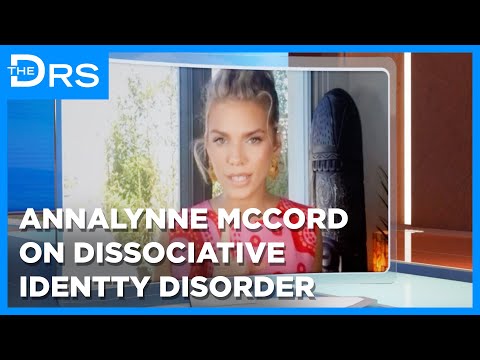
You know, it’s pretty wild how some stories just stick with you. Annalynne McCord’s journey is one of those tales.
She’s not just a well-known actress. She’s a survivor, navigating the twists and turns of something most people can’t even begin to understand: Dissociative Identity Disorder.
Yeah, that’s a mouthful, right? But basically, it means she experiences different identities or personalities. Each one has its own way of seeing the world.
Imagine living in a world where your mind is like a house with multiple rooms, each filled with different memories and emotions. It sounds intense, doesn’t it? But Annalynne is opening up about her experience, sharing her struggles and triumphs.
It takes real courage to talk about this stuff, let me tell you. So let’s dive into her story—trust me; you won’t want to miss this!
Exploring the Complexity of Sybil: Understanding the Origins of Her Multiple Personalities
Well, let’s chat about Sybil and dive into the fascinating, yet complex world of Dissociative Identity Disorder (DID). So, DID is a condition where someone experiences two or more distinct identities or personality states. It’s not just a quirky thing; it can be really intense and deeply rooted in trauma.
Sybil Dorsett, remember her? She became famous through a book and later a movie. She was said to have 16 different personalities! Her story has shaped how many people see DID. But what’s really behind it all?
One thing to understand about DID is that it’s often linked to severe trauma. The idea is that when someone experiences chronic trauma during childhood, like abuse or neglect, they might dissociate as a way to cope. Basically, it’s their mind’s defense mechanism kicking in, trying to protect them from emotional pain that feels unbearable. So each personality can hold different memories or feelings; it’s like the brain trying to compartmentalize hurt.
Origins of Multiple Personalities
The origins of Sybil’s personalities can be traced back to her painful childhood experiences. She faced extreme emotional abuse from her mother and had no safe space to express herself. That kind of hurt didn’t just fade away; instead, her mind created different identities to manage the trauma she was going through.
Take Annalynne McCord, for example. She opened up about her struggles with DID too. It’s super brave of her! She shared how she also experienced layers of emotions connected to past traumas—stuff that felt too heavy for one person alone.
So here’s where it gets interesting: when you think about dissociation, it’s like when you’re watching a movie and suddenly realize you’ve lost track of time because the story pulls you in so deeply. But for people with DID, those moments don’t just happen occasionally—they live them as their reality.
Key Points on Understanding DID
- Trauma-related: Most cases stem from childhood trauma.
- Defense Mechanism: Dissociation helps cope with overwhelming feelings.
- Identity Fragmentation: Different identities may hold specific memories or emotions.
- Diagnostic Challenges: Recognizing DID can be tough since symptoms overlap with other disorders.
- Treatment Variability: Approaches often involve therapy focused on integrating these identities.
And honestly? It’s crucial to approach these stories with compassion. People dealing with DID don’t choose this path; their minds create these identities as survival tactics—sometimes even without conscious awareness!
At the end of the day, understanding Sybil’s story—or anyone’s journey with DID—is about recognizing that everyone has their battles and coping mechanisms shaped by their life experiences. In this light, we see how complex mind truly is and why empathy matters in conversations around mental health issues like this one.
Understanding Life with DID: Insights into Living with Dissociative Identity Disorder
Living with Dissociative Identity Disorder (DID) can be a real rollercoaster. Picture this: one moment, you’re going about your day, and the next, you feel like you’ve stepped into a different world. This disorder is more than just having mood swings. It arises from severe trauma, often in childhood, causing people to create different identities or «alters» as a coping mechanism. DID helps protect the individual from overwhelming pain.
Many folks might think of DID as just having multiple personalities, but it’s way more complex than that. Each identity can have its own name, age, history, and even preferences! Imagine living with different versions of yourself; it can be confusing and exhausting. Annalynne McCord has spoken openly about her own journey with DID, shining light on how it affects daily life.
Consider this scenario: you’re out at a coffee shop with friends. Suddenly, an alter takes over who might feel anxious in social situations. You might end up feeling lost or confused about where you are or why you’re there because the timeline has shifted for you. That disorientation is a common experience for those living with DID.
Now let’s talk about some key aspects of living with this disorder:
- Memory Gaps: People with DID often experience amnesia – not just forgetting little things but losing chunks of time.
- Transitions Between Alters: These can happen unexpectedly and may leave individuals feeling disoriented.
- Emotional Responses: Different alters might react differently to the same situation based on their personal experiences.
- Coping Mechanisms: Each alter could have developed specific ways to handle stress and trauma that reflect their unique backgrounds.
For someone like McCord, therapy becomes essential. Building trust with a therapist allows for exploration of those past traumas in a safe space. It’s not just about treatment; it’s like piecing together a puzzle made up of various identities that all deserve understanding.
And here’s something important: Having support from friends and family makes all the difference too! When loved ones understand what someone is going through—like knowing they might call out or react unexpectedly—it fosters patience and connection.
Navigating relationships is another challenge for those with DID. Friends may struggle to grasp the concept without stigma or misconceptions creeping in. That’s why communication plays such a vital role here; sharing feelings and experiences can help loved ones feel closer no matter which alter is present.
In short, living with Dissociative Identity Disorder is *not* just an unusual condition—it’s like carrying fragments of different selves through life while trying to find coherence amidst chaos. And while there are ups and downs along the way—moments of clarity and others filled with confusion—understanding goes a long way in creating empathy for individuals experiencing this journey.If we listen openly and educate ourselves more on what it’s like for them day-to-day, we help break down barriers around mental health stigma one conversation at a time!
Exploring AnnaLynne McCord’s Journey: Mental Health Insights and the Role of Relationships
So, let’s talk about AnnaLynne McCord and her journey with mental health. You might know her from shows like «90210,» but there’s so much more to her story. It’s not just about the glam and glitz; it’s about grappling with some heavy stuff, especially when it comes to mental health.
AnnaLynne has openly shared her struggles with **Dissociative Identity Disorder (DID)**. This condition is a complex psychological response to trauma, usually stemming from severe emotional or physical abuse in childhood. Imagine feeling like different parts of you are at war inside your own head. That’s kind of what it can feel like for people with DID. They often have distinct identities, or “alters,” that take over at different times, which can lead to confusion and disconnection from reality.
Here’s the thing: relationships play a huge role in this journey. For someone navigating DID, having supportive friends and family is crucial. AnnaLynne has talked about how love and connection can help heal wounds that run deep. But it’s not always easy. Trusting others can be a real challenge when your mind feels like a battlefield.
When she started sharing her story, it wasn’t just for herself; she wanted to help others too. She uses her platform to spread awareness about mental health issues, aiming to break down stigma and show that it’s okay to seek help. For many folks dealing with similar struggles, seeing someone like AnnaLynne speak out can be incredibly validating.
Another significant aspect of AnnaLynne’s journey is the importance of therapy and self-discovery. Therapy provides a safe space where individuals can explore their feelings without judgment. For her, it’s been about unraveling layers of trauma while learning how to integrate these different parts of herself.
To summarize:
- Dissociative Identity Disorder is often rooted in trauma.
- Relationships are key in navigating mental health challenges.
- Sharing experiences helps destigmatize mental health issues.
- Therapy aids in understanding oneself better.
It’s pretty inspiring how she turns personal pain into something constructive—both for herself and for those watching her story unfold. Her journey reminds us all that healing takes time but also reinforces the idea that we’re not alone in our struggles. Talking openly about mental health might just be the first step toward understanding each other better and growing together as humans.
In short, AnnaLynne McCord’s journey shows us that even when life gets tough—and trust me, it does—it’s possible to find hope through community and compassion!
So, you know Annalynne McCord, right? She’s that actress who you might remember from shows like «90210.» Lately, she’s been super open about her experiences with Dissociative Identity Disorder (DID), and, seriously, it’s pretty heavy stuff. You don’t expect someone you see on TV to share something so raw and personal.
DID is often misunderstood. It’s like the brain’s way of coping with trauma when things get too intense. For Annalynne, it was a way to manage the pain of her past. That’s huge! Imagine feeling like you have different parts of yourself that help you deal with stuff. It’s kind of wild how our minds work to protect us.
There was this moment she shared where she didn’t recognize herself in the mirror. Can you even imagine? Looking at your own reflection and feeling like a stranger? That hit me hard because it made me think about how we sometimes wear masks in our everyday lives. Like, we put on a brave face even when we feel broken inside.
And what really stood out for me was how she emphasized the importance of therapy and support in her journey. Therapy isn’t just some buzzword; it can be life-changing when you’re dealing with something as complex as DID. Annalynne’s honesty about her struggles can help shine light on mental health issues that often get brushed under the rug or stigmatized.
It shows that being open about mental health struggles takes guts. We need more people to talk candidly about their experiences so others can feel less alone! If someone like Annalynne can share her truth, then maybe it’ll inspire someone else battling their own demons to seek help or just to find comfort in knowing they’re not alone.
This journey she’s on is a reminder that healing isn’t linear; it’s messy, complicated, and filled with ups and downs. And honestly? That’s what makes us human—embracing all those pieces of ourselves, no matter how fragmented they might seem at times.