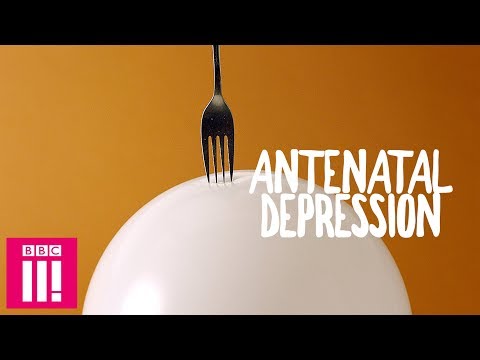
So, let’s talk about something that doesn’t get enough airtime—antenatal depression. You know, that cloud that can hover over expecting moms?
Yeah, it’s not just about the baby bump and cravings. It’s a real struggle that can feel super lonely. Like, you might be glowing on the outside while wrestling with a storm inside.
Seriously, it happens to more people than you think. And it’s okay to not be okay during such a huge life change.
In this chat, we’re gonna peel back the layers of those emotions. It’s all about understanding what you’re feeling, why it matters, and how to find your way through it. Sound good? Let’s go!
Recognizing Antenatal Depression: 3 Key Signs to Watch For
Antenatal depression can be a tough topic to talk about, but recognizing it is super important. You might think pregnancy is all about joy and excitement, but for some people, it can come with a flood of mixed emotions. So let’s unpack three key signs that might help you spot if someone is struggling with this.
1. Persistent Sadness or Low Mood
It’s totally normal to feel a bit off here and there during pregnancy. But if the sadness hangs around, like an unwanted guest, that’s a red flag. If someone feels like they’re on an emotional roller coaster or finds it hard to enjoy any of those cute baby clothes shopping trips—well, that could point to antenatal depression. Imagine feeling overwhelmed by everything instead of excited; it really can put a damper on what’s supposed to be a joyful time.
2. Changes in Sleep Patterns
Okay, so sleep issues during pregnancy are common because of physical discomfort. But if you notice someone is either sleeping way too much or can’t seem to catch any z’s at all? That’s worth paying attention to. It’s like being in a fog that never lifts! Sleep deprivation can mess with your mood even more, so it’s hard to break that cycle when you’re already feeling low.
3. Withdrawal from Social Activities
When expecting parents start pulling away from their social circles—like skipping baby showers or avoiding friends—it might signal something deeper going on. Sure, people get busy preparing for the baby or just need some alone time now and then, but if it’s more than that—like they don’t want anyone around anymore—that’s concerning too. Think about how isolating this situation can feel; it’s like being stuck in your own world when everything outside feels overwhelming.
So really, recognizing these signs isn’t just about spotting them; it’s about reaching out and showing support for those who might feel lost in this emotional maze during pregnancy. Sometimes just talking about feelings can be the first step toward getting help—and that can make all the difference in navigating through antenatal depression together.
Understanding the Emotions of Postnatal Depression: What Does PND Feel Like?
So, let’s talk about postnatal depression (PND) and what those emotions really feel like. It’s a big deal, affecting many new parents, especially moms. But it can also hit dads, too. Seriously, this emotional rollercoaster isn’t just for one group.
When you have PND, things can get pretty overwhelming. You might feel like you’re stuck in a fog that’s hard to shake off. Imagine waking up every morning and just feeling… flat. Like there’s no joy in the little things that used to make you smile.
Common feelings of PND include:
- Sadness: This isn’t the usual kind of sadness—it’s more profound and persistent.
- Anxiety: You might feel nervous all the time about your baby or even about yourself as a parent.
- Irritability: Little things can irritate you more than they normally would, making patience seem like a foreign concept.
- Guilt: You may find yourself feeling guilty because you’re not feeling the overwhelming love or joy everyone expects.
- Lack of interest: Things that once excited you suddenly seem pointless or exhausting.
Let me share an example to help paint the picture: Imagine Sarah. She’s just had her baby girl and should feel over the moon, but instead, she feels trapped in her own home. The baby keeps crying, and all she can think is: “Why can’t I handle this?” It eats away at her every day. She scrolls through social media and sees all these happy parents—why can’t that be her?
Now, it’s not just about saying “cheer up” or “get over it.” With PND, it honestly feels like your body is betraying you. Your energy levels plummet; getting out of bed might seem like climbing a mountain. You could experience physical symptoms too—like headaches or stomach issues—as your body reacts to those heavy emotions.
Sometimes people don’t even recognize they’re going through PND because they think it’s just part of being a new parent. But listen: If you’re feeling hopeless for weeks on end or if these emotions are affecting your ability to care for yourself or your baby—this isn’t something to brush aside.
You know what else? It’s totally okay to reach out for help if you’re feeling this way! Talking to someone—a friend, family member, or therapist—can really change the game. The stigma around asking for help often makes people hesitate but reaching out is actually a brave step forward.
In essence, understanding what PND feels like is crucial not only for those experiencing it but also for their loved ones who want to provide support. These emotions are real and valid! So if you ever find yourself in this place—or know someone who may be—know that there’s hope and help available out there!
Understanding Postpartum Depression: Impact on Maternal Care and Infant Development
Understanding Postpartum Depression goes way beyond just feeling a little down after giving birth. It’s serious, and it can hit new moms like a freight train. You’re probably wondering how this impacts not only the mother but also her baby. Well, let’s break it down.
First off, postpartum depression (PPD) can happen anytime within the first year after delivery. It’s not just about the “baby blues,” which usually pass in a week or two. PPD hangs around and can make everyday tasks feel impossible. Seriously, just getting out of bed might feel like climbing a mountain.
When a mom is battling PPD, you might notice some key signs. She could be feeling extreme sadness, hopelessness, or irritability—like everything is too much to handle. Sleep disturbances are common too; either she’s sleeping way too much or struggling to grab even five minutes of shut-eye. And let’s not forget about anxiety; it can bubble up, making her worry constantly about her health or the baby.
Now here comes the tough part: the impact on maternal care and infant development. When she’s stuck in that dark place of PPD, her ability to care for herself often slips away. Self-care is crucial for any new parent! But with PPD? It can feel like self-care is an entirely foreign concept—like trying to learn a new language overnight.
For example, imagine Sarah who had trouble bonding with her newborn because she felt overwhelmed by guilt and anxiety. She missed out on those precious moments because she couldn’t shake off the fear that she wasn’t doing things right. That disconnect can lead to less interaction with her baby, potentially affecting the child’s emotional development and attachment styles in later years.
Infants are super sensitive creatures! They pick up on their mother’s emotions faster than you can say “diaper duty.” If mom’s energy is low or she’s crying more often than smiling, babies can end up feeling anxious or unsettled themselves. The thing is: early emotional connections lay the groundwork for healthy relationships down the line.
If PPD isn’t addressed through therapy or support groups, it could lead to long-term effects on both mom and baby. The little one might face challenges like delayed development or behavioral issues as they grow older. Mom? She risks ongoing mental health issues that don’t just disappear.
Now let’s talk solutions here! Seeking help is essential—whether it’s therapy or medication—but also building a support system from family and friends makes a world of difference! When moms share their experiences with each other during those tough times, it normalizes everything they’re feeling and opens doors for better coping strategies.
In short: Postpartum Depression isn’t just a phase. It’s something that needs attention and understanding so that both mothers and their little ones don’t miss out on all those joyful moments together as they navigate this wild journey of motherhood! So always remember: if you see someone struggling with these feelings, extending help isn’t just kind—it’s crucial for their well-being!
So, let’s chat about something that doesn’t really get enough airtime: antenatal depression. It’s like this shadow hanging around when you’re pregnant, and it can be a total trip. You might expect so much joy and excitement, right? But here comes the reality check—sometimes it just doesn’t feel like that.
Imagine being someone who’s just found out they’re having a baby. People shower you with congratulations, baby clothes, and all those adorable nursery ideas. Yet inside, you feel like you’re stuck in mud. The rollercoaster of emotions is real! One minute you’re filled with anticipation and the next you’re overwhelmed by sadness or anxiety. It’s confusing as hell!
I once talked to a friend who went through this while expecting her first child. She shared how she felt guilty for not being “happy” all the time. And honestly, who can blame her? Society puts this pressure on us to glow and beam throughout pregnancy—like some kind of magical experience where everything is perfect. But this isn’t always the case.
Antenatal depression isn’t just about typical mood swings; it runs deeper than that. You might feel hopeless or struggle with thoughts that buzz around your head like annoying flies at a picnic. It’s hard to connect with your baby when your mind feels heavy and foggy—almost like there’s this invisible barrier between you two.
What happens is many people try to tough it out alone, thinking they’ll figure it out eventually or that opening up will somehow expose them as “bad” parents-to-be. This stigma makes things even trickier, doesn’t it? But seriously, acknowledging those feelings can be so freeing! It helps you understand you’re not alone in this crazy ride.
The thing is, there are ways to navigate through all of this messiness. Talking to someone—a friend or therapist—who gets what you’re going through can lighten the load a bit. Finding support isn’t weakness; it’s actually pretty empowering! Plus, learning relaxation techniques or even joining a group with other expectant moms experiencing similar feelings can make a world of difference.
So if you or someone you know is wading through the emotional swamp during pregnancy, remember—you deserve help too! Your feelings matter and acknowledging them is super important for both you and your little one down the road. Be kind to yourself on this journey; it’s okay not to have everything figured out right away! Life’s messy but leaning on each other makes it all a bit easier to handle, don’t you think?