You know that feeling when your heart races for no reason? Or when a simple task feels like climbing Everest? Yeah, that’s anxiety, and it can be a real pain.
You’re not alone in this. Millions of people deal with anxiety every day. It can sneak up on you during the most unexpected moments.
Now, some folks find relief through therapy, while others explore medications. The thing is, medications can play a big role in managing anxiety for some people.
But it’s not all black and white! There’s so much to unpack about how these meds work and what you should know. So let’s chat about it—no judgment, just real talk.
Understanding Common Psychiatric Drugs: Uses, Effects, and Considerations for Mental Health
Managing anxiety can be a real challenge, and medications can play a significant role in that journey for some people. It’s crucial to understand what these psychiatric drugs are all about—what they do, how they work, and what you might want to consider before diving in.
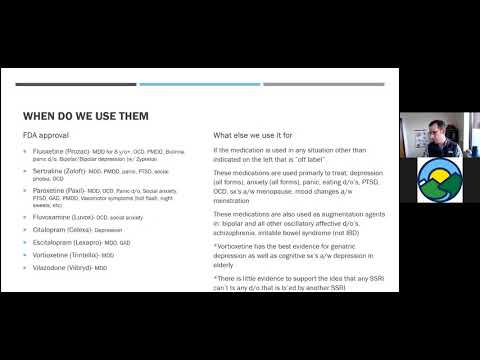
Anxiety medications typically fall into a few categories. Antidepressants are one big group that often helps with anxiety. They might sound like they’re only for depression, but they can help anxiety too. For example, SSRIs (Selective Serotonin Reuptake Inhibitors) like fluoxetine or sertraline boost serotonin levels in your brain—a chemical that helps regulate mood.
Then you have Benzodiazepines, which are usually prescribed for short-term relief of severe anxiety. They work quickly—you know? Like, if you’re having a panic attack, a quick dose can take the edge off almost immediately. But here’s the catch: they’re not meant for long-term use because they can be addictive.
Another group is Beta-blockers. These are typically used for heart issues but can help with physical symptoms of anxiety like rapid heartbeat or sweating during public speaking or performance situations. So if you’re facing that dreaded speech at work, beta-blockers might keep those nerves in check.
Now let’s talk about side effects. Every medication has them, and it’s important to weigh the pros and cons. For example:
- Nausea: This is pretty common when starting antidepressants.
- Drowsiness: Benzodiazepines can leave you feeling sleepy; that’s why they’re not ideal if you need to stay alert.
- Dizziness: Beta-blockers may cause some people to feel lightheaded.
- Weight gain: Some SSRIs are associated with this over time.
- Mood changes: Sometimes medications can mess with your emotions before they really kick in.
When it comes to considering medication as part of your mental health plan, talking openly with your doctor is super important. You should discuss your symptoms, lifestyle, and any other medicines you’re on so that you both find the right fit.
It’s also worth mentioning that medication isn’t a one-size-fits-all solution. You might find it beneficial—but some folks manage their anxiety just fine through therapy alone or lifestyle changes like exercise and mindfulness practices.
So if you’re contemplating this road, remember: medication isn’t magic—it’s just a tool in your toolbox! It might take time to find what works best for you since everyone’s brain chemistry is different.
In short, understanding psychiatric medications means looking at the whole picture—how they help, what side effects come along for the ride, and making sure it lines up with your personal goals for managing anxiety. That’s so key.
Comprehensive PDF Guide to Mental Health Medications: An Essential Resource for Understanding Treatment Options
When you think about managing anxiety, medications can play a pretty big role. They’re not a one-size-fits-all solution, though, so let’s break it down a bit.
First off, anxiety’s a beast. It can show up in different ways like feeling really restless, having racing thoughts, or even experiencing panic attacks. Medications can help ease those symptoms, but they’re just one part of the puzzle. You might also throw in therapy or lifestyle changes to get a more well-rounded approach.
Now, when you look into medications for anxiety, there are a few main types that doctors usually consider:
- SSRIs (Selective Serotonin Reuptake Inhibitors): These are often the first line of defense for anxiety. They work by boosting serotonin levels in the brain—serotonin is that feel-good chemical that helps regulate mood. Common examples include fluoxetine (Prozac) and sertraline (Zoloft).
- SNRIs (Serotonin-Norepinephrine Reuptake Inhibitors): Similar to SSRIs but go a step further by affecting both serotonin and norepinephrine. Venlafaxine (Effexor XR) and duloextine (Cymbalta) are examples here.
- Benzodiazepines: These are generally used for short-term relief of severe symptoms because they act really fast. Some common ones include xanax and Ativan. They can be helpful during panic attacks but come with risks for dependence if used long-term.
- Beta-blockers: Mainly used for physical symptoms of anxiety like rapid heartbeat and shaky hands during stressful situations. These can be super useful before public speaking or big presentations.
- Atypical antipsychotics: Sometimes added when anxiety is linked with mood disorders like bipolar disorder. Not your first choice but worth mentioning!
So here’s the thing: medication isn’t magic; it might take some time to find out what works best for you or someone you know. It’s crucial to have open conversations with your healthcare provider about what symptoms you’re dealing with.
Let me tell you about a friend of mine. She’d always been anxious before meetings at work—like seriously could hardly breathe at times! After chatting with her doctor, she started on an SSRI along with therapy sessions on coping strategies. Over time, she noticed she could actually focus in meetings without feeling overwhelmed.
But medications come with side effects too—some people may experience nausea or weight gain, while others might feel tired or jittery at first. It’s all about weighing those potential pros and cons together.
In short, if anxiety’s turning your life upside down, talking to a professional about medication might be worth it! It’s just as important to keep exploring other options like therapy and self-care practices alongside any meds you try out.
Taking care of mental health is like juggling—it takes practice and sometimes the right tools to keep everything balanced!
Exploring 3 Common Psychiatric Drugs: Uses, Effects, and Insights
When it comes to managing anxiety, sometimes therapy alone just doesn’t cut it. That’s where psychiatric medications come into play. There are a few common types that people often discuss: selective serotonin reuptake inhibitors (SSRIs), benzodiazepines, and buspirone. Each serves its purpose and can make a real difference for many folks. Let’s break them down.
- Selective Serotonin Reuptake Inhibitors (SSRIs): These are like the go-to meds for anxiety. They work by increasing levels of serotonin, a brain chemical that helps regulate mood. Some popular SSRIs include fluoxetine (Prozac) and sertraline (Zoloft). You might feel calmer after taking them, but they can take a few weeks to kick in fully.
- Benzodiazepines: You might have heard of these. They’re more for short-term relief. They act quickly on your system and can help you feel relaxed almost immediately. Common ones include alprazolam (Xanax) and lorazepam (Ativan). But here’s the thing: they can be addictive! So, doctors usually prescribe them only when absolutely necessary.
- Buspirone: This one is interesting because it works differently than the others. It’s not like an SSRI or a benzodiazepine but instead helps with chronic anxiety without the risk of dependency. It takes a bit longer to work, kind of like an SSRI, but some people find it less sedating.
You know, each person’s experience with these meds can vary a lot. Like my buddy Jake—he tried an SSRI and felt more balanced over time, while his sister had to stick with benzodiazepines during particularly stressful periods before major events like job interviews or speaking engagements. It’s all about finding what fits best for you.
The important part is keeping in touch with your healthcare provider during this process. They’re key in guiding you through which medication might suit your needs best, how to manage any side effects, and when it might be time to change things up if needed.
Mental health isn’t one-size-fits-all—it’s more complex than that! So don’t hesitate to reach out for support from a professional who gets it; they can help navigate these waters with you.
Managing anxiety can feel like riding a roller coaster, huh? One minute you’re cruising along, and the next, you’re hitting loops you didn’t even see coming. It’s exhausting. I remember my friend Sarah telling me about how she felt this tightness in her chest before big presentations at work. No matter how much she practiced or prepared, that anxiety just wouldn’t budge. She tried everything from deep breathing exercises to meditation but still felt overwhelmed.
That’s where medications come into play for some folks. They don’t work for everyone, but they can really help manage those intense feelings of anxiety. Think of them as training wheels for your brain, giving you a little support while you figure out how to ride the bike of life without wobbling too much.
So there are different types of meds out there. Some people take SSRIs, which are typically used for depression but can also help with anxiety by balancing those pesky serotonin levels—kind of like adjusting the radio dial to find that sweet spot. Others might use benzodiazepines, which work quickly to calm things down but usually aren’t recommended for long-term use because they can be habit-forming.
But it’s not all about popping pills and calling it a day, right? Medication can be a piece of the puzzle, but it often works best alongside therapy or lifestyle changes—like talking through your feelings or learning coping techniques. If Sarah hadn’t started therapy alongside her meds, she might not have built up the skills to handle her anxiety when life threw curveballs her way.
It’s important to chat with a healthcare provider about what feels right for you because everyone’s journey is unique. Anxiety treatments can feel really personal—what helps one person might not help another at all! And that’s okay.
The main thing is that managing anxiety is about finding a balance—a mix of support that works best for your needs. So whether it’s talking things out with someone who gets what you’re going through or considering medication as part of your toolkit, just remember: You’re not alone in this ride!