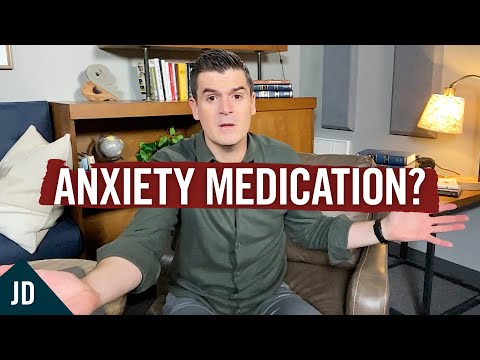
You ever feel that tightness in your chest or that pesky voice in your head ramping up your worries? Man, anxiety can be such a buzzkill. Sometimes, it gets so overwhelming that you just wish for some chill vibes, you know?
Well, here’s the thing—there are over-the-counter options out there. Yep, you heard me right! You might be thinking, “Could something from the drugstore help me?” And that’s totally a valid question.
But before you grab that bottle off the shelf, there’re a few things to think about. Like what works best for you and if it’s even safe. Let’s unpack this together.
Discover the Most Effective Natural Remedies for Anxiety Relief
Anxiety can feel like this heavy backpack you just can’t shake off, right? Sometimes it helps to look at natural remedies as a way to lighten the load. There are several options out there that might provide some relief. Here’s a rundown of natural remedies you might consider, plus a bit on how they stack up against over-the-counter meds.
First off, let’s talk about herbal supplements. Herbs like chamomile and valerian root are famous for their calming properties. Chamomile tea is such a go-to for many. It’s warm, soothing, and has been shown in some studies to help reduce anxiety symptoms. Just sip on it while maybe listening to your favorite tunes and see if it helps.
Then there’s L-theanine, which you’ll find in green tea. This amino acid can promote relaxation without making you feel sleepy. You might notice that sipping green tea calms your racing thoughts. It’s kind of like giving your mind a gentle hug.
Next up is exercise. Seriously! Moving your body can release endorphins, those lovely chemicals that boost your mood. Even a brisk walk or some light yoga could do wonders for anxiety levels. Just think back to the last time you finished a workout — didn’t you feel more relaxed afterward?
Don’t forget about mindfulness and meditation. These practices encourage you to focus on the present moment, which can be super helpful when you’re feeling anxious about the future or replaying past events in your head. Apps like Calm and Headspace make it easy to get started with short meditation sessions.
Now, even though these natural remedies can be effective for many people, they don’t typically work as quickly as over-the-counter anti-anxiety medications like Benadryl or certain antihistamines that have calming effects too — but they also come with some consideration points. It’s essential to discuss any medications with a healthcare provider because mixing substances or relying solely on them without guidance isn’t usually wise.
Lastly, never underestimate the power of lifestyle changes. Eating well and getting enough sleep really make a difference in how you handle stress and anxiety! Think of it this way: if you’re operating on low energy or fueling your body with junk food, stress will hit harder.
In summary, whether it’s sipping chamomile tea or hitting up yoga class, there are plenty of natural remedies worth trying for anxiety relief. Of course, if stuff feels too overwhelming, checking in with someone who knows their stuff—like a therapist—can help guide you toward what works best for your situation. Remember, there’s no one-size-fits-all approach!
Effective Over-the-Counter Remedies for Managing Anxiety and Depression
Managing anxiety and depression can be a real challenge, and while prescription medications are often the go-to, some folks look to over-the-counter (OTC) remedies for relief. It’s important to note that these aren’t one-size-fits-all solutions, but they can sometimes offer some comfort when life feels overwhelming. Here’s a breakdown of what you might consider if you’re exploring OTC options.
Herbal Supplements
Many people turn to natural remedies like herbal supplements. Some of the popular ones include:
- St. John’s Wort: This herb has been used for centuries to treat mild depression. Studies suggest it may help with symptoms, but it can interact with various medications.
- Chamomile: Often sipped as a tea, chamomile is known for its calming effects and may help reduce anxiety.
- L-Theanine: Found in green tea, this amino acid is thought to promote relaxation without causing drowsiness.
Vitamins and Minerals
Some vitamins and minerals are linked to better mood regulation:
- Vitamin D: It’s not just about bone health! Low levels of vitamin D have been associated with both anxiety and depression.
- B Vitamins: These guys play a role in brain health. B12 and folate deficiency can lead to mood changes, so maintaining adequate levels might help.
Amino Acids
Amino acids are the building blocks of proteins but can also have an impact on your mood:
- Tryptophan: Known for being a precursor to serotonin, tryptophan-rich foods or supplements may elevate your mood if you’re feeling down.
- L-tyrosine: This one has potential benefits for people experiencing stress as it could help improve alertness and reduce fatigue.
Cognitive Behavioral Tools
While not exactly OTC «medications,» some techniques based on cognitive behavioral therapy (CBT) principles can be incredibly effective:
- Meditation: Practicing mindfulness or guided meditation might help you carve out moments of calm during anxious times.
- Breathing exercises: Simple breathing techniques can ground you in the present when your mind starts racing.
Now let me share something personal here: I remember feeling overwhelmed one winter during college. I started drinking chamomile tea every night before bed. I didn’t expect it to work miracles, but somehow it made me feel cozy and less anxious about all my assignments piling up. Small things like that can really make a difference.
Caution: Always Consult Professionals
Before diving into OTC remedies, it’s essential to chat with a healthcare professional—especially if you’re already taking medications or have underlying health issues. They can offer guidance tailored just for you.
So yeah, while there are various options out there for managing anxiety and depression over-the-counter, remember that everyone’s journey is unique. What works wonders for someone else might not suit you at all. Just keep an open dialogue with your healthcare provider as you explore what feels right!
Everything You Need to Know About the FDA-Approved Over-the-Counter Anxiety Medication
So, let’s chat about over-the-counter anti-anxiety medications. It’s a big topic these days, especially since some folks are looking for easier ways to manage anxiety without needing a prescription.
First off, you might be wondering what makes these meds “over-the-counter” or OTC. Basically, it means you can pick them up at your local pharmacy without a prescription from a doctor. FDA-approved means they’ve gone through some serious testing and the Food and Drug Administration thinks they’re safe for public use.
Now, when we think about anti-anxiety options at the drugstore, there are a few things to keep in mind:
So I remember when my buddy Sarah was struggling with anxiety before her big presentation at work. She was feeling super stressed out and didn’t want to mess with prescriptions just yet. She grabbed some chamomile tea and took some melatonin before bedtime—it helped her chill out enough to get decent sleep! Now, that doesn’t mean it works for everyone—just sharing her experience.
It’s also good to consider a health professional’s opinion before starting any new medication routine, even if it’s just an herbal supplement or something you found online. Everyone’s body is different; what worked for Sarah might not do anything for you!
Lastly, remember that while these over-the-counter routes can help manage symptoms on occasion, they shouldn’t replace talking to someone—like a therapist—if your anxiety is really affecting your life.
In short, while OTC anti-anxiety meds can be handy for those moments when you’re feeling overwhelmed, make sure you’re informed and cautious about what you’re taking. Your mental wellness deserves more than quick fixes!
So, let’s chat about over-the-counter anti-anxiety meds. It’s a topic that seems to pop up more and more these days. You know how sometimes life just throws you curveballs? Like, I remember this one time when I had a big presentation at work. My heart was racing, palms were sweaty, and my brain was doing somersaults—total anxiety overload. I thought about grabbing something over the counter to help chill me out.
Now, before you reach for those little pills on the shelf, there are some things you should keep in mind. First off, not all OTC medications are created equal. Some are just sorta meant to help with anxiety symptoms but aren’t really designed for long-term use or specific anxiety disorders.
For example, things like diphenhydramine (yep, that sleepy-time stuff) can definitely knock you out and might make you feel less anxious in the moment. But it can also leave you groggy and fuzzy-headed the next day—like walking around in a cloud. Seriously, been there!
And then there’s valerian root or passionflower—those natural options have their fans too, but honestly? The research is kinda mixed on how effective they really are for anxiety relief. Some people swear by them; others feel zero difference.
Also important: your body chemistry plays a super big role in how any medication works for you. What helps one person could totally flop for another, and it’s crucial to consider potential side effects or interactions with other stuff you’re taking.
But hey, what if medications aren’t your thing? There are other routes too! Therapy or even lifestyle changes like exercise or mindfulness practices can be game-changers when it comes to managing anxiety.
At the end of the day—you get to call the shots! It’s all about finding what works best for you while being safe about it. Just don’t forget to chat with a healthcare professional before diving into any new treatment routine; they can give you guidance that makes sense with your personal situation.
So yeah, whether you’re feeling overwhelmed or just need that extra nudge to get through a tough day, there’s no shame in looking for help wherever possible—but do your homework first!