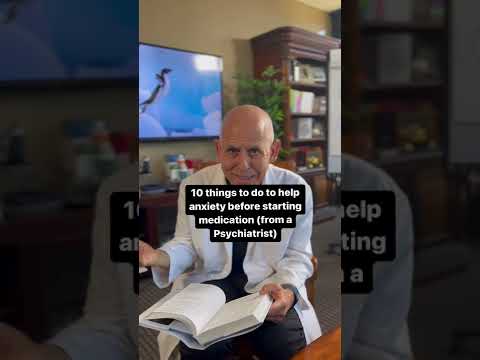
You know those days when anxiety just hits you like a ton of bricks? Yeah, I’ve been there. It can feel like you’re juggling a million things in your head, and every little worry is somehow amplified.
But here’s the thing: there are natural remedies out there that can really help calm that storm. No prescription required! Just some good ol’ plant remedies, simple lifestyle tweaks, and even mindfulness techniques.
What if I told you that sometimes just stepping outside or sipping on a cup of chamomile tea could work wonders? Seriously! It’s all about finding what works for you.
So let’s chat about some chill ways to ease your mind and boost your mental wellbeing. After all, we all deserve a little peace of mind, don’t we?
Top Vitamins to Alleviate Anxiety: Boost Your Mental Health Naturally
Anxiety can feel like a storm raging inside your mind. It’s overwhelming, and you might be looking for ways to find some calm. Natural remedies are often a go-to for many people, and vitamins might play a role in helping with anxiety. So, let’s chat about some vitamins that could ease those anxious waves.
Vitamin B6 is pretty important when it comes to mood regulation. It helps produce neurotransmitters like serotonin, which can lift your spirits. Low levels of this vitamin have been linked to feeling cranky or anxious. You can find B6 in foods like chickpeas, tuna, and bananas. Seriously, just adding a few of these to your meals might help.
Then there’s Vitamin D. This one’s like sunshine in a bottle! It regulates mood and can really support mental health overall. Some studies suggest that low levels of Vitamin D are connected with increased anxiety levels. So, getting enough sun or taking a supplement if you’re not soaking up those rays could be something to consider.
Magnesium, while not a vitamin per se, is another key player here. It helps manage stress by regulating hormones related to anxiety. If you’re low on magnesium, you might feel restless or uneasy. Foods rich in magnesium include nuts, seeds, whole grains, and leafy greens—easy stuff to include in your diet!
Let’s not forget Omega-3 fatty acids. These guys are great for brain health and may help reduce anxiety symptoms. Found in fish like salmon or in flaxseeds and walnuts if you’re more plant-focused, Omega-3s contribute to better emotional balance.
Also worth mentioning is B12. It’s essential for maintaining healthy nerve cells and producing DNA—the building blocks of life! A deficiency could lead to feelings of fatigue and depression which may feed into anxiety. Meat, dairy products, and eggs are good sources if you’re looking to boost your intake.
So yeah, while these vitamins might help ease some anxiety symptoms naturally, they’re not magic pills that fix everything overnight! They’re best used alongside other methods—like therapy or mindfulness practices—for managing anxiety effectively.
Incorporating these vitamins into your life isn’t just about popping supplements; it’s about creating well-rounded meals that nourish both body and mind. And remember: before jumping into any changes with supplements or diet shifts for anxiety relief—it’s wise to check in with a healthcare professional who totally gets your personal health needs!
Understanding the Link Between Vitamin Deficiencies and Anxiety: Essential Nutrients for Mental Wellness
So, let’s chat about how your body’s vitamin levels might impact your mood. You probably don’t think much about vitamins when anxiety creeps in, huh? But the truth is, some essential nutrients can play a pretty big role in how we feel emotionally.
First off, Vitamin D is one of those heavy hitters. A lot of people are low on it, especially if you live in a place with long winters or don’t spend much time outside. Research suggests that low Vitamin D levels could be linked to feelings of anxiety and depression. Your body uses this nutrient to help maintain a balance in neurotransmitters, the chemical messengers that affect mood.
Then we have B vitamins, which are super important too! You know how you often hear people talk about B12? Well, there’s B6 and folate (B9) as well. These vitamins help your brain produce neurotransmitters like serotonin and dopamine. When they’re lacking, you might find yourself feeling more anxious or even irritable.
Also, let’s not forget about magnesium. This mineral is like a calming influencer for your nervous system. It helps regulate cortisol—the stress hormone—so if you’re lacking it, that could lead to more anxiety. Plus, magnesium is involved in over 300 processes in your body. Pretty wild when you think about it!
Now, what’s interesting is that sometimes addressing these deficiencies can lead to real changes in how you feel. For example, there was this study where participants with anxiety who boosted their B vitamins saw improvements after just a few weeks. Imagine feeling lighter just from adding some greens or nuts into your diet!
You might be asking yourself: “How do I know if I’m deficient?” Good question! Symptoms can vary but include fatigue, mood swings, or even physical pains like muscle cramps for magnesium or brain fog for vitamin deficiencies.
To sum it up:
- Vitamin D: Helps regulate mood; consider getting tested if you feel low.
- B Vitamins: Essential for neurotransmitter production; found in meats and leafy greens.
- Magnesium: Calms the nervous system; abundant in nuts and whole grains.
So next time anxiety hits hard, maybe take a look at what you’re eating—or not eating—on a regular basis. It might just surprise you how these little nutrients can make a big difference!
Discover How I Naturally Overcame My Anxiety Disorder: A Personal Journey to Wellness
So, let’s talk about anxiety. It can feel like this never-ending cycle of worry, right? But for some people, like my friend Leah, figuring out ways to cope with it naturally totally changed her life. I mean, we’re talking about a real journey to wellness here.
Leah was dealing with anxiety for a while. Every day felt overwhelming. She had the racing thoughts and the tight chest that so many know all too well. After trying a number of things without seeing much improvement, she decided to explore some more natural remedies. Here’s what helped her along the way.
Mindfulness and Meditation
One thing Leah discovered was mindfulness meditation. At first, she was skeptical—sitting in silence? Really? But after giving it a shot, she found that just taking 10 minutes to focus on her breath helped calm her mind significantly. It wasn’t magical or anything, but it definitely created little pockets of peace in her day.
Physical Activity
Another game changer was exercising regularly. She found that going for long walks or doing some yoga helped release those feel-good chemicals called endorphins. There’s something about moving your body that shifts your mood! And hey, even if you don’t feel like hitting the gym, just dancing around your living room counts!
Nourishing Food
Leah also started paying attention to what she ate. She read that certain foods can boost mental health and help reduce anxiety symptoms. She focused on whole foods—like fruits, veggies, and whole grains—and cut back on processed stuff. It wasn’t an overnight fix; it took time but made a noticeable difference overall.
Herbal Supplements
She even dabbled with herbal supplements like chamomile and ashwagandha. Now, I’m not saying these are miracle cures or anything! But they really seemed to help Leah feel more balanced when used along with other strategies.
Building Connections
And guess what? Talking openly with friends about what she was going through made a huge impact too! Leah joined a support group where she met others facing similar challenges. It’s just nice knowing you’re not alone in this struggle—it creates this sense of community.
Sleep Hygiene
Let’s not forget sleep! Leah adjusted her routine by setting a regular sleeping schedule and making her bedroom as cozy as possible—less screen time before bed went a long way in improving her sleep quality.
So yeah, it wasn’t one big change that worked wonders overnight for Leah; it was these little adjustments adding up over time that really did the trick for her anxiety. Navigating mental health is such a personal journey—it might look different for everyone—but hopefully sharing these insights gives you something to think about!
You know, anxiety can feel like that awful friend who just won’t leave you alone. It sneaks in during the most inconvenient times—like when you’re trying to enjoy a quiet evening, and suddenly your mind is racing about everything from work deadlines to that awkward moment from ten years ago. But I’ve noticed that some people really swear by natural remedies to help chill those racing thoughts.
A while back, a friend of mine was going through a tough patch. She felt overwhelmed and consumed by anxiety, and traditional medications weren’t working for her. So, she started exploring natural remedies, like herbal teas and meditation. I was skeptical at first; I thought it was just another one of those fleeting trends. But when I saw her calmer and more centered after a few weeks, it got me thinking.
Her go-tos were chamomile tea and lavender essential oil. Seriously, she would brew herself a cup as soon as she got home from work, saying it acted like her evening wind-down ritual. Chamomile helped ease her nerves without knocking her out cold—not that there’s anything wrong with needing a good night’s sleep! And lavender? She’d dab a little on her wrists before bed or use it in an oil diffuser during the day to create this calming vibe around her.
But it wasn’t just about what she drank or smelled; it was also the little rituals that mattered. She took up yoga too—stretching out those tight muscles while focusing on her breath seemed to do wonders. You know how sometimes just moving your body helps clear your head? It’s kind of magical how connecting with yourself physically can influence mental health.
I guess the takeaway here is that while natural remedies might not be everyone’s cup of tea—no pun intended!—they can indeed be part of a wider toolkit for managing anxiety or boosting mental wellbeing. They work differently for everyone, but hey, if they bring even a smidgen of relief or joy into your life, why not give them a shot?
In the end, it’s all about finding what fits you best—whether that’s herbal teas or meditation apps or something else entirely. Because at the end of the day, you deserve to feel lighter and more at ease in this crazy world we live in!