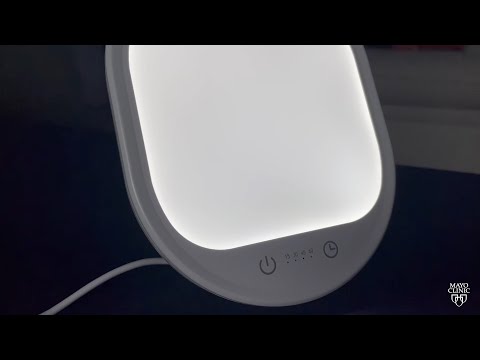
You ever feel like the sun just forgot about you? Like, it’s winter, and everything’s gray, and your mood kinda sinks down with that dull sky? Yeah, I get it.
Sometimes, those clouds can feel so heavy. It’s like they’re sitting right on your shoulders. You’re not alone in this—seriously! A lot of folks experience a dip in their spirit when the days get shorter.
That’s where light therapy comes in. Sounds a bit funky, right? But it might just be the bright idea you need to feel better. Let’s chat about how shining some light on your situation could be a game changer for depression.
Exploring the Effectiveness of Light Therapy for Depression: Does It Really Work?
So, let’s talk about light therapy and its role in battling depression. It sounds a bit out there, right? Like, “wait, you want me to sit in front of a light for my mood?” But hang tight; there’s some solid reasoning behind it.
First off, what is light therapy? Basically, it involves sitting in front of a special lamp that mimics natural sunlight. This is especially popular for folks who experience Seasonal Affective Disorder (SAD), which usually hits during the winter months when sunlight is scarce. You know that feeling when the days get shorter, and you’re just like “meh”? That’s SAD kicking in.
Now, let’s dig into how it works. The theory here is pretty cool: light exposure can help regulate your body’s internal clock. This clock affects a bunch of things, including sleep patterns and mood. More exposure to bright light helps increase levels of serotonin—those feel-good chemicals in your brain! So yeah, getting your daily dose of bright light might just give you a little boost on tough days.
Research shows that many people find relief from depressive symptoms through this method. Some studies even say that around 60-80% of those with SAD see improvements after undergoing regular sessions of light therapy. Wow, right? That’s no small feat!
But hold up; it’s not a magic cure-all! While it’s effective for some folks, others might not notice much change at all. Everyone’s brain and situation are different, you know? And sometimes combining therapies—like medication or counseling along with light therapy—can create an even bigger impact.
Now let me tell you about my friend Sara. She used to hate winter—dreading every gray day and feeling sluggish all season long. Her doctor suggested trying out light therapy as part of her plan to tackle her seasonal blues. At first, she was skeptical but then gave it a shot with one of those fancy lamps at home. After just a couple weeks of consistent use each morning while sipping her coffee, she noticed having more energy and being less cranky! It was like lifting the fog off her mind.
Still curious about possible downsides? Some users report headaches or eye strain if they’re too close to the lamp or if they use it for too long without breaks. But you can usually sort that out pretty easily by adjusting how far away you sit from it or limiting session times.
In short: yes! Light therapy can be effective for many people dealing with depression—especially those affected by seasonal changes or certain mood disorders—but it’s not one-size-fits-all magic. It often works best when used alongside other forms of treatment.
So if you’re thinking about trying this out or know someone who might benefit from it—it could be worth exploring! Remember though: always consult with a healthcare professional before jumping into any new treatment plan. It’s all about finding what works best for you or your loved ones!
Optimal Vitamin D Dosage for Alleviating Seasonal Depression: A Comprehensive Guide
When it gets cold and dark during winter, some folks start feeling a bit low, right? That’s often called seasonal depression or Seasonal Affective Disorder (SAD). Sunlight can be a real mood booster, so when it’s gone for months, it can seriously mess with your vibes. Here’s where Vitamin D steps in—sometimes dubbed the “sunshine vitamin.”
Many studies suggest that Vitamin D might help alleviate symptoms of SAD. The thing is, figuring out the optimal dosage isn’t like a one-size-fits-all deal. It depends on several factors, like your age, weight, and where you live.
Generally speaking, health experts often say that adults need around 600 to 800 IU (International Units) daily. But people with SAD may need more—some research suggests up to 2000 IU per day could be beneficial. However, before you go popping pills like candy, check with a healthcare provider first!
Vitamin D can come from sunlight (that’s the best source), food like fatty fish and fortified dairy products, or supplements. If you’re living in places where sunlight is scarce in winter—think Seattle or Alaska—you’re likely not getting enough Vitamin D naturally.
Now let’s talk about light therapy. Some folks get bright light boxes that mimic natural sunlight. Using these daily for about 20 to 30 minutes can help improve mood as well. You see how they both fit together? Regular exposure to bright light plus an adequate dose of Vitamin D can work wonders for your mood.
But hey! Be careful about overdose—too much Vitamin D can lead to toxicity problems. Symptoms might include nausea, weakness, and confusion; definitely not what you want when trying to brighten your winter days!
In short:
- SAD is common during dark months.
- Vitamin D can help but dosage varies.
- Around 600-800 IU is typical; higher may be needed.
- Light therapy is also effective for mood enhancement.
- Consult a healthcare provider before starting any supplements.
So yeah, while you’re putting together your mental health toolkit for those gloomy days ahead, consider adding Vitamin D and maybe some light therapy into the mix. It could make all the difference when winter feels particularly bleak!
Transform Your Mood: How Light Therapy Can Alleviate Depression and Anxiety
Light therapy may sound a bit unconventional at first, but hear me out—it can actually help with mood issues like depression and anxiety. You know, during those long, gloomy winter months or when you’re stuck inside for too long, it’s easy to feel down. That’s where light therapy comes into play.
What is Light Therapy?
Basically, it involves using a special lamp that mimics natural sunlight. This exposure to bright light can influence your brain’s chemistry and help make you feel better emotionally. But how does this work? Well, our bodies have this internal clock called a circadian rhythm that needs light to keep everything balanced.
Why It Helps
When you’re feeling depressed or anxious, it can be due to changes in these rhythms, especially if you’re not getting enough natural sunlight. By soaking up some of that artificial “sunshine,” you might find improvements in your mood and energy levels.
Here are some key points about light therapy:
Hey, let me share an example: A friend of mine used to struggle every winter with major seasonal affective disorder (SAD). She felt groggy and out of sorts by mid-January—it was like her energy just up and vanished. But after she started using a light therapy box each morning while sipping her coffee, she noticed a real shift in her outlook and motivation!
The Science Behind It
So here’s where it gets science-y: The light affects neurotransmitters—like serotonin—which play a big role in regulating mood. Increased exposure to bright light can lead to higher serotonin levels, helping lift feelings of sadness or anxiety.
And research backs this up! Many studies have shown that people with SAD who went through bright light therapy experienced significant reductions in depressive symptoms compared to those who didn’t.
Tips for Using Light Therapy
If you’re considering trying this out yourself:
Remember though—light therapy isn’t a standalone solution; it’s often most effective when combined with other treatments like talk therapy or medication.
So yeah, if you’re feeling down and think gray skies are making things worse (and let’s face it—they totally can), giving light therapy a shot might really brighten up your mood! Just chat with your healthcare provider first; they can help guide you on whether it’s the right fit for you!
So, let’s chat about light therapy for depression. You know, it might sound a bit like something out of a sci-fi movie, but it’s actually pretty interesting! Picture this: imagine you’re feeling down, and the days are super short with hardly any sunlight. That grayness can really mess with your mood. It’s like being stuck in a room with no windows—that heaviness just lingers.
Light therapy is often used for Seasonal Affective Disorder (SAD), which is basically depression that pops up during certain seasons, usually when there’s less daylight. People who deal with SAD might feel sluggish and have a tough time enjoying life when winter rolls around. The thing is, what happens is that our bodies need light to help regulate our internal clocks and mood. So, sitting in front of a special light box can boost your mood and energy levels by mimicking natural sunlight.
I remember a friend telling me how she struggled every winter. It felt like the sun never showed up for her! She tried light therapy, and wow—she described it as her little morning sunshine ritual. Just 20 to 30 minutes each day in front of the bright box changed everything for her; she finally felt awake instead of dragging through the day.
From a psychological perspective, that makes sense because depression often involves negative thoughts and feelings of hopelessness. When you expose yourself to bright light regularly, it can help elevate serotonin levels—the chemical in your brain linked to happiness. It’s sort of like giving your brain a little jolt of positivity when it needs it most.
But here’s the twist: light therapy isn’t necessarily going to work for everyone; we’re all different! Some folks feel better after just a few sessions, while others might need more time or additional treatment options. It’s all about finding what works best for you.
So yeah, if you’re ever feeling those winter blues or just need an extra boost? Light therapy might be worth checking out. A little bit of fake sunshine could be just what you need to brighten things up!