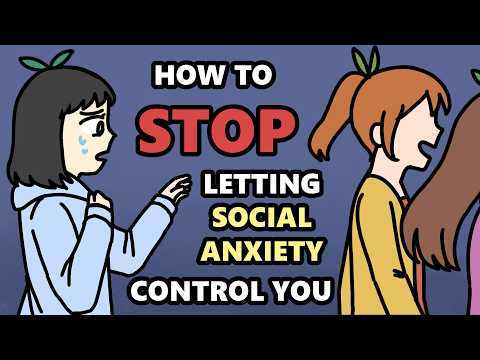
So, you know that feeling when you’re about to head to a party and the idea of making small talk makes your stomach drop? Yeah, that’s social anxiety for you.
It’s like your brain is in overdrive, analyzing every possible scenario and outcome. You start sweating just thinking about walking into a room full of people. Not fun, right?
Believe me, you’re not alone in this. Lots of folks deal with those pesky anxious thoughts. It can feel really isolating sometimes, but there are ways to cope.
Let’s chat about how to handle it when that anxiety creeps in and tries to steal the show. Making sense of it all can be a game changer!
Proven Strategies to Quickly Overcome Social Anxiety and Boost Your Confidence
Social anxiety can feel like this heavy weight on your chest, making it tough to chat with people or even walk into a room full of strangers. You’re not alone in feeling this way, trust me. Lots of folks battle those awkward feelings when it comes to social situations. But there are ways to ease that anxiety and help you feel more confident.
Practice Mindfulness
Mindfulness is super helpful for managing anxiety. It’s all about being present in the moment instead of getting lost in worry about what others think. Try focusing on your breathing. Take deep, slow breaths when you start feeling anxious. You know, just like when you’re trying to calm down after a rollercoaster ride! This can ground you and pull your mind away from anxious thoughts.
Gradual Exposure
This strategy is where you slowly face your fears. It doesn’t need to happen overnight; just take baby steps! Maybe start with a small gathering where you know a few people, then gradually work your way up to larger events. Let’s say you’re nervous about talking to someone new—start with a simple “Hi” and see how it goes.
Cognitive Behavioral Therapy (CBT)
CBT helps reframe those negative thoughts that swirl around in your head. You know the ones: “They’ll think I’m weird” or “I’ll embarrass myself.” With CBT, you challenge those thoughts and replace them with positive affirmations like, “I’m doing my best,» or «People appreciate my effort.” Over time, this can seriously change how you feel in social situations.
Build Social Skills
Sometimes, it’s just about knowing how to engage. Practice small talk with friends or family before entering a bigger social setting. Discuss easy topics like movies or music—it’s like warming up before running a marathon! Plus, the more comfortable you get expressing yourself, the easier it’ll be when you’re out there.
Focus on Others
Switching gears from thinking about yourself to thinking about others can be transformative! When you’re worried about making an impression or saying the right thing, try focusing on what others are saying instead. Ask them questions and listen closely; this takes the pressure off you while also showing genuine interest.
Physical Activity
Regular exercise is another killer way to boost confidence and decrease anxiety levels overall. Whether it’s jogging, dancing, or even yoga—getting your body moving releases those endorphins that make you feel good! Plus, fitting some physical activity into your routine helps clear your mind too.
But remember—though these strategies can help manage symptoms of social anxiety quickly, they might not work overnight for everyone! Be patient with yourself; change takes time sometimes. Just know that every little step counts toward building that confidence muscle!
And hey, if things get too overwhelming? Seeking support from a therapist might provide extra tools tailored just for you! They can guide you through some strategies and help make sense of those feelings together.
So yeah—it’s all doable! You’ve got this; one step at a time can lead right into feeling more confident in social situations!
Essential Social Anxiety Coping Skills: Download Your Free PDF Guide
Social anxiety can feel like a heavy backpack stuffed with worries, especially when you’re faced with situations where you have to interact with others. Seriously, just thinking about it sometimes makes your stomach twist. But don’t worry; there are some coping skills that can help lighten that load.
1. Breathing Techniques
When you feel that wave of anxiety crashing down, try taking slow, deep breaths. Inhale through your nose for a count of four, hold it for a moment, and then exhale through your mouth for another count of four. It really helps to calm the mind and reduce those tight feelings in your chest.
2. Visualization
Picture this: You’re in a social setting, and instead of imagining all the ways things could go wrong, visualize yourself having a good time! Imagine smiling faces around you and engaging in positive conversations. This technique can shift your mindset and make those situations feel less intimidating.
3. Gradual Exposure
This one’s about baby steps—seriously! Start small by getting comfortable in low-pressure environments first: maybe chatting with a cashier or saying hi to a neighbor. As you ease into these interactions, gradually challenge yourself with bigger social settings.
4. Positive Affirmations
Say it with me: “I am capable,” or “I can handle this.” Repeat positive statements to yourself before heading into stressful situations. It trains your brain to focus on what you can achieve rather than on what could go wrong.
5. Grounding Techniques
If anxiety starts creeping in while you’re out and about, try grounding techniques to bring yourself back to the present moment. You might focus on the feeling of your feet on the ground or notice five things around you—a tree, a sound, even the color of someone’s shoes!
6. Seek Support
Talk about how you’re feeling with friends or family members who get it—trust me; it helps more than you might think! Just knowing someone’s rooting for you can make facing social situations easier.
And here’s something personal: A friend of mine used to dread parties but learned some grounding techniques while working through her anxiety in therapy. One day she tried them out at a gathering instead of sticking to the sidelines—and guess what? She ended up having an amazing time once she got past those initial nerves!
Remember, coping skills take practice and patience—they won’t solve everything overnight. But they can definitely help make social interactions feel less daunting and more manageable over time.
So yeah, if you’re dealing with social anxiety, keep these skills close; they might just become your new best friends!
Comprehensive Treatment Plan for Social Anxiety Disorder: Downloadable PDF Guide
Social Anxiety Disorder (SAD) can feel like your own little prison, can’t it? You know when you’re in a room full of people, but you can’t shake off that feeling that everyone’s staring at you? Yeah, that’s what makes SAD tough. But there’s hope! A comprehensive treatment plan can really help. So let’s break it down.
Understanding Social Anxiety Disorder
SAD is more than just shyness. It’s an intense fear of social situations where you might be judged or embarrassed. You could be worried about speaking up in class or even ordering coffee. It’s exhausting and, honestly, isolating.
The Importance of a Treatment Plan
Having a comprehensive treatment plan means you’re not tackling this alone. It guides your journey through understanding and overcoming those fears.
Key Components of the Treatment Plan:
- Cognitive Behavioral Therapy (CBT): This is like training your brain to think differently about social situations. A therapist helps you challenge those negative thoughts.
- Exposure Therapy: Slowly facing the things that make you anxious—like chatting with a stranger—can really help reduce that fear over time.
- Medication: Sometimes doctors prescribe medications like SSRIs to help manage symptoms. It’s worth discussing with a healthcare professional if this feels right for you.
- Skills Training: Building social skills can help! Workshops or group therapies focus on enhancing communication skills and boosting confidence.
- Mood Regulation Strategies: Learning how to regulate emotions through mindfulness techniques or relaxation exercises offers valuable tools to cope.
The Role of Support Systems
Surrounding yourself with understanding friends or family makes a big difference too! They can provide encouragement as you work through these strategies.
And hey, do remember: recovery takes time. There will be good days and bad days, but each step counts! Sometimes it feels like two steps forward and one back, but that’s totally normal.
For practical use, many therapists offer personalized treatment plans tailored to individual needs. Having something like a downloadable PDF guide could be super helpful for tracking progress and reminding yourself about coping strategies.
The thing is, while this journey may feel daunting now, you’re not alone in this struggle. Awareness and support are crucial while navigating the challenges of social anxiety disorder—each small hurdle becomes manageable with time and effort. Stay hopeful!
So, let’s talk about social anxiety. You know, that feeling when you’re in a crowded room and suddenly it feels like everyone is staring at you? Or when you’re invited to a party and your stomach just drops? Yeah, it can be pretty intense.
I remember one time, I was invited to this big gathering. Everyone seemed to know each other, laughing and talking without a care in the world. But there I was, standing by myself, just wanting to blend into the wallpaper. I thought about leaving so many times, my heart racing like crazy. It’s like your mind is playing tricks on you, convincing you that you’re not good enough or that something embarrassing is just around the corner.
When it comes to mental health practice—and here’s where things get interesting—counselors and therapists often see people grappling with social anxiety. They might struggle during therapy sessions too! Seriously, imagine sitting across from someone who’s there to help you but just thinking about how much they must be judging you. It’s tough!
In therapy, one approach that works is cognitive-behavioral therapy (CBT). This isn’t just fancy jargon; it’s about changing how you think and feel about those moments of social fear. The thing is—basically—you learn to challenge those negative thoughts. Like instead of thinking «everyone will laugh at me,» try “they might not even notice me.” It’s all about reframing your mindset.
Also, exposing yourself gradually to situations that make you anxious can help a lot. It’s not easy at first; trust me! But little by little, with a supportive therapist guiding you through it, it gets more manageable. You start realizing that even if things don’t go perfectly (spoiler alert: they probably won’t), you’re still okay.
And let’s be real here: coping isn’t about erasing those feelings entirely but learning how to dance with them instead of letting them lead your life.
So yeah, if you’re dealing with social anxiety or know someone who is, it helps to remember that every step forward—even the tiny ones—counts. You’re not alone in this journey; lots of folks face similar battles every day!